NSA Trailing/Disaster/HRD 訓練会レポート_2026.04.12
NSA Trailing/Disaster/HRD Training
2026年4月12日(日曜日)、Trailing/Disaster/HRD訓練会を開催しました。
今回は、連携団体である災害救助犬十日町より4名3頭が参加されました。
Trailingでは、トレール開始時の集中力向上を目的としたルーティーンの導入と、捜索中におけるネガティブ反応の確認を主軸とした設定でトレーニングを実施しました。また、Door ID別による犬の挙動の違いについても確認することができました。
HRDでは、オープンエアおよび室内の2つの捜索エリアを設定し、原臭の拡散状況とそれに伴う犬の反応を検証しました。TFR(Trained Final Response)については、各ユニットにおいて安定した反応が確認されました。
Disasterでは、災害救助犬十日町のメンバーを中心に、今後の適性試験および認定試験を見据え、必要となるスキルの確認と基礎トレーニングを主軸とした内容で実施しました。
On April 12, 2026 (Sunday), a Trailing / Disaster / HRD training session was conducted.
This session included participation from our partner organization, Tokamachi Disaster Rescue Dogs, with four handlers and three dogs.
In Trailing, the training was designed to evaluate the introduction of start routines to improve initial focus, as well as the handler’s ability to recognize and interpret negative indications during the search. Behavioral variations were also assessed in relation to different Door ID scenarios.
In HRD, both open-air and indoor search environments were utilized to evaluate scent dispersion and corresponding canine responses. All units demonstrated clear, sustained, and reliable Trained Final Responses (TFR) under varying conditions.
In Disaster training, the focus was placed on foundational skill development and assessment in preparation for upcoming aptitude and certification tests. Emphasis was given to handler positioning, search strategy, and decision-making in relation to environmental factors.
Trailing Unit
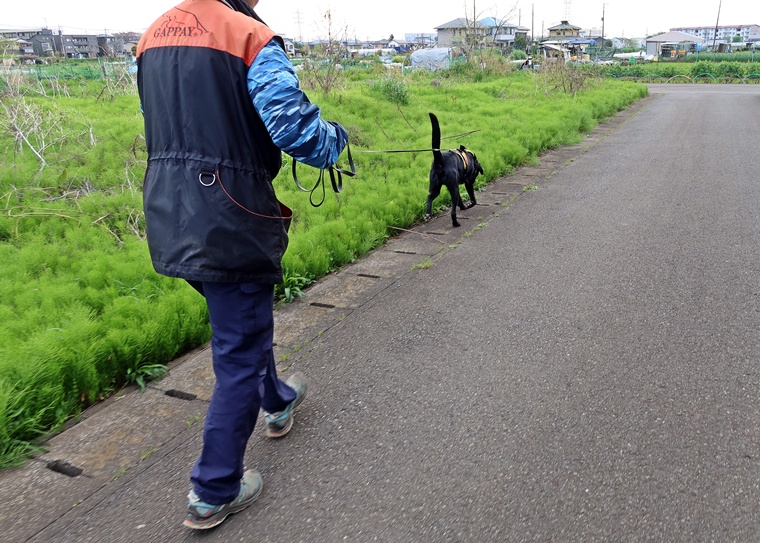
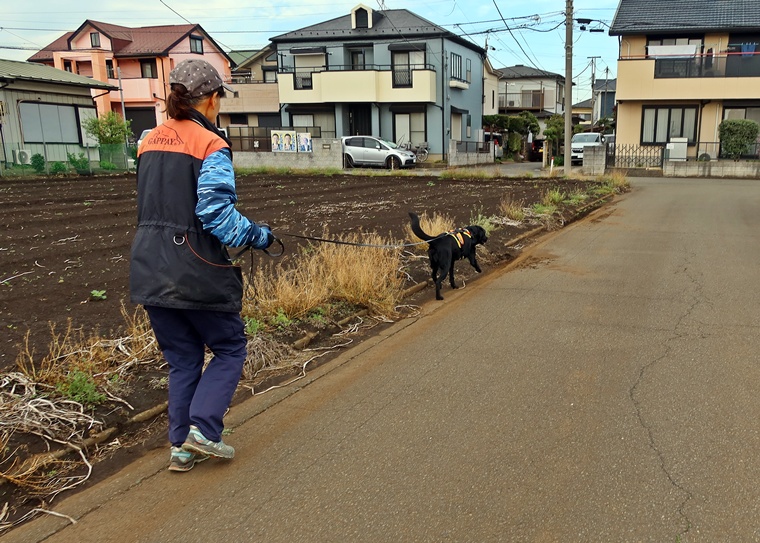
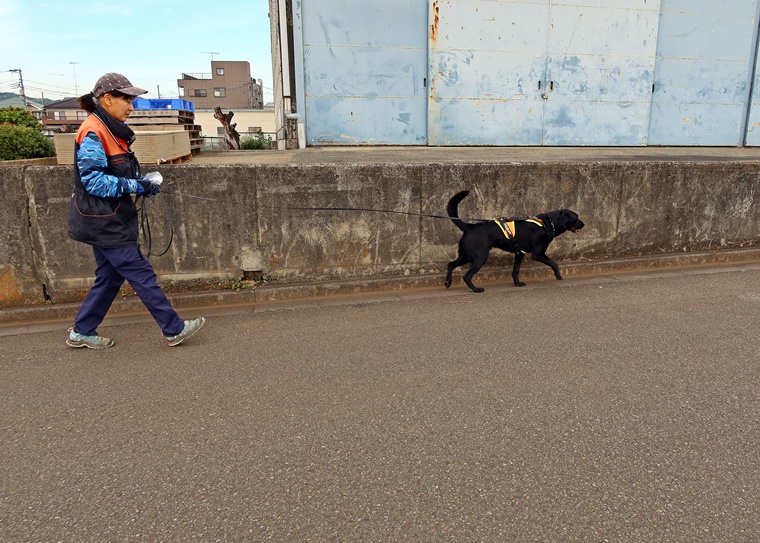
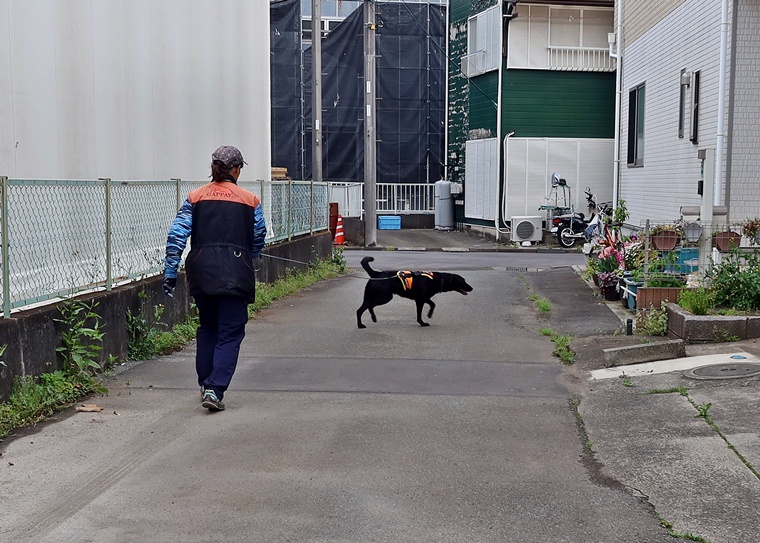
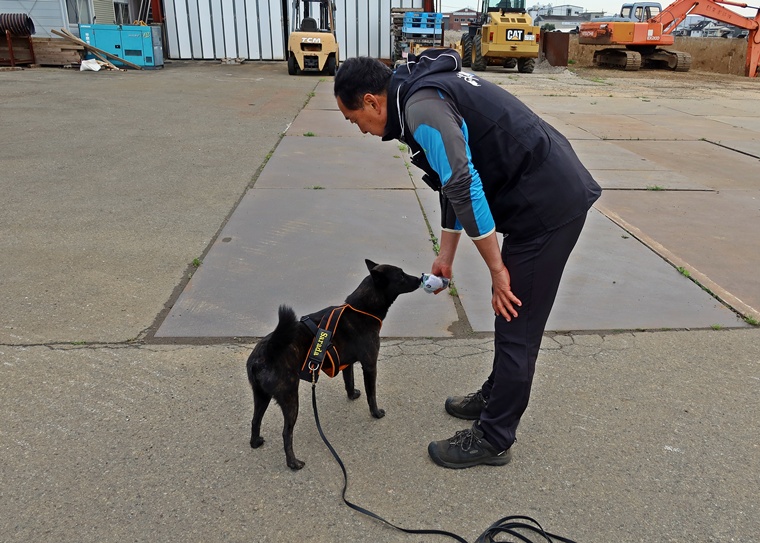
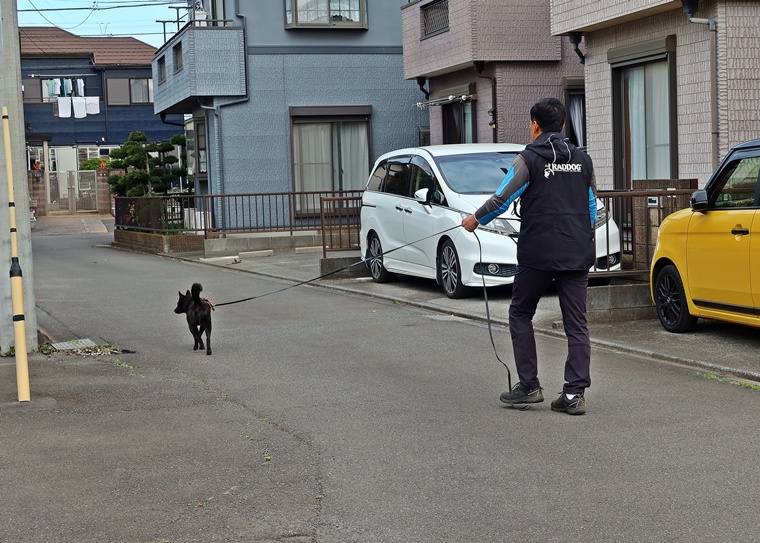
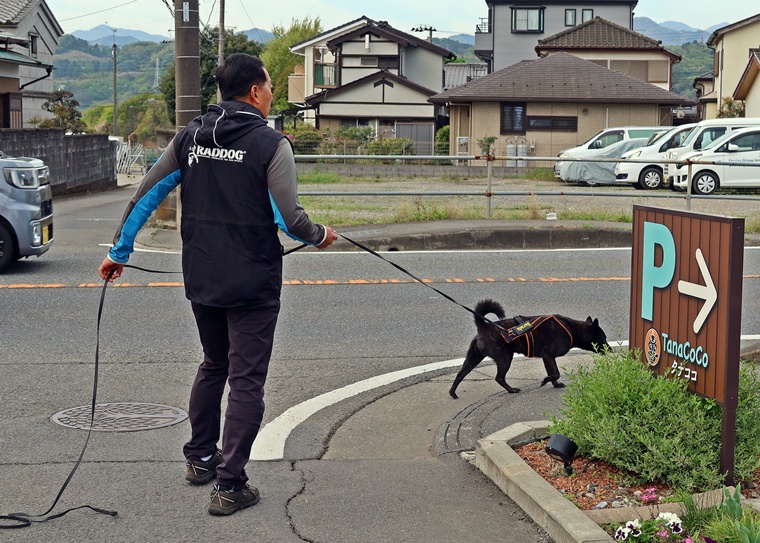
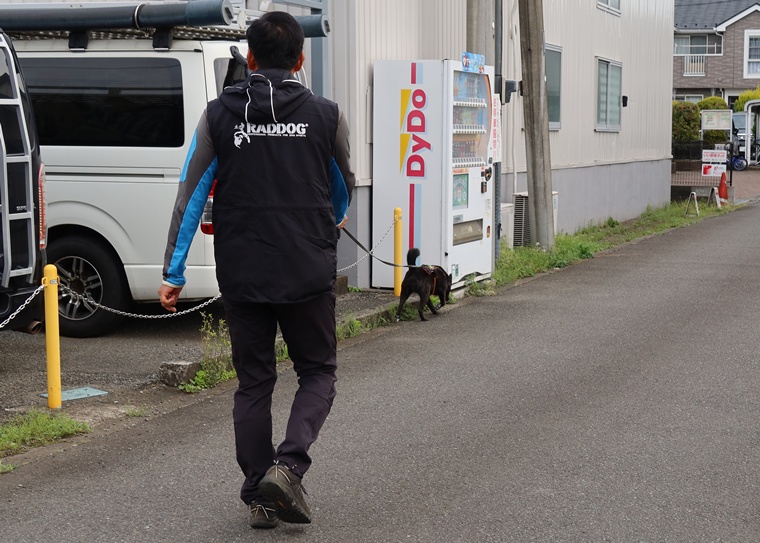
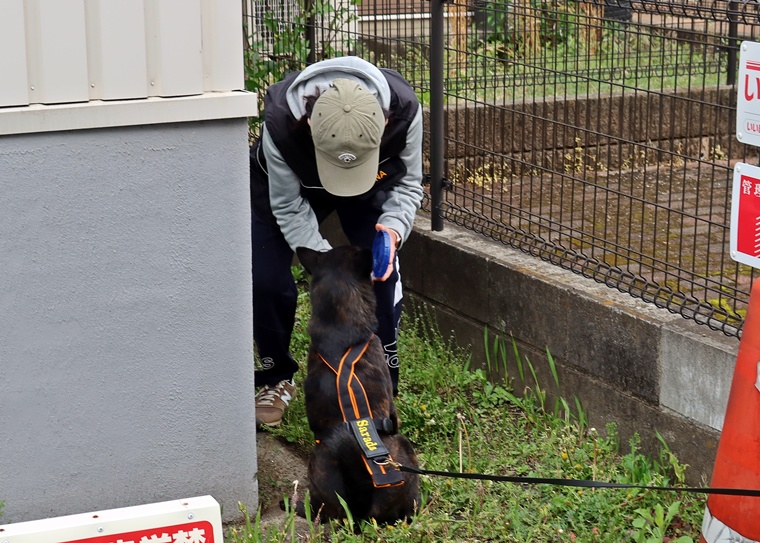
意欲を単なるスピードではなく持続的な集中へと転換させることを目的に、スタート時のルーティーンおよびハンドリングの見直しを行った。これにより、初動における原臭へのコミットメントの質と再現性の向上が確認された。
捜索中においては、ポジティブおよびネガティブインディケーションの観察精度に焦点を当て、特にディストラクション環境下における識別精度の維持について評価を行った。一部のユニットでは誘惑臭への反応に伴うコミットメントの揺らぎや一時的なトレールドリフトが見られ、原臭への再コミットメント能力とハンドラーの介入判断が課題として抽出された。
また、Door ID別の条件下における挙動評価を実施し、汚染されたDoor IDと非汚染Door IDに対する識別過程の違いを確認した。クロストレールや人的動線によるコンタミネーションの影響が加わる状況では、単純なトレール追従ではなく、原臭への選択的コミットメントおよび識別精度が要求されることが明確となった。
これらの設定を通じて、ディストラクション下における識別精度、原臭保持能力、およびハンドラーの観察・判断・介入精度を統合的に評価するトレーニングとなった。
To shift drive from mere speed to sustained concentration, start routines and handling techniques were reviewed and refined. As a result, improvements were observed in both the quality and consistency of initial commitment to the target odor.
During the search phase, emphasis was placed on the accurate observation of both positive and negative indications, with particular focus on maintaining discrimination accuracy under distraction. In some units, fluctuations in odor commitment and temporary trail drift were observed in response to distraction scents, highlighting the need for improved re-commitment to the target odor as well as more precise handler intervention.
Behavioral evaluation was also conducted under varying Door ID conditions, allowing for comparison between contaminated and uncontaminated entries. Under conditions influenced by cross-trails and human-related contamination, it became evident that simple trail-following was insufficient, and that selective commitment to the target odor, along with high discrimination accuracy, was required.
Through these training setups, an integrated evaluation was achieved, focusing on discrimination accuracy under distraction, target odor retention, and the handler’s ability to observe, interpret, and intervene appropriately.
HRD Unit
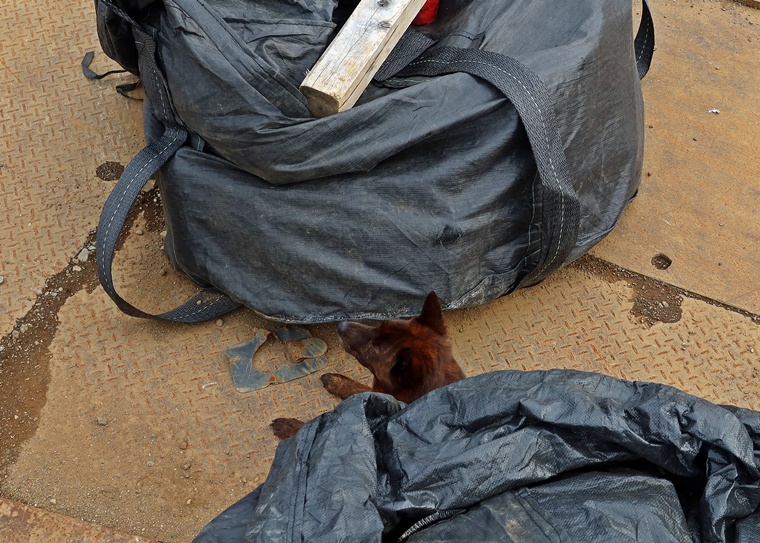
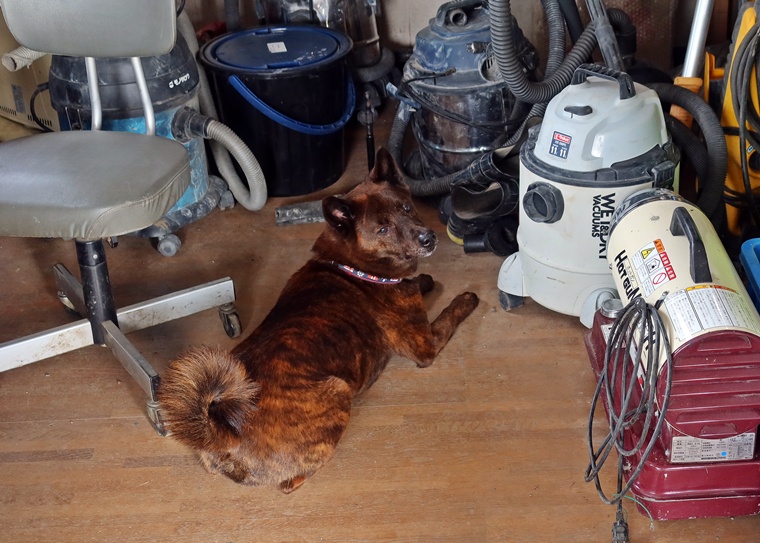
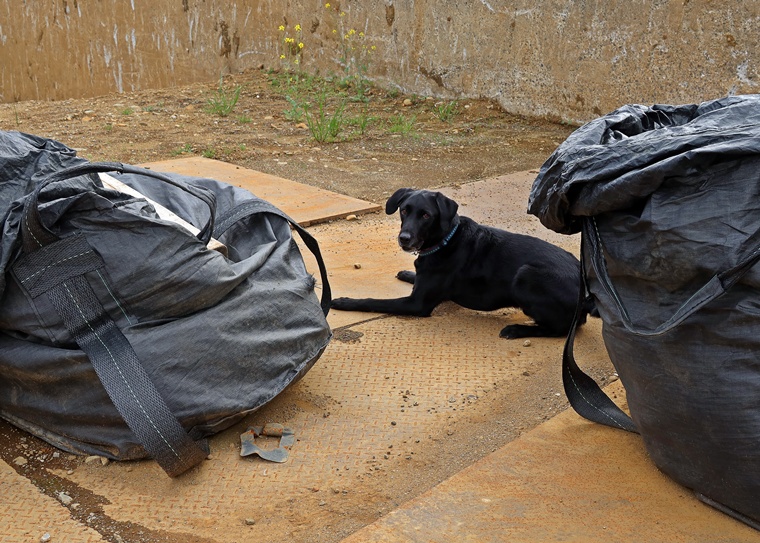
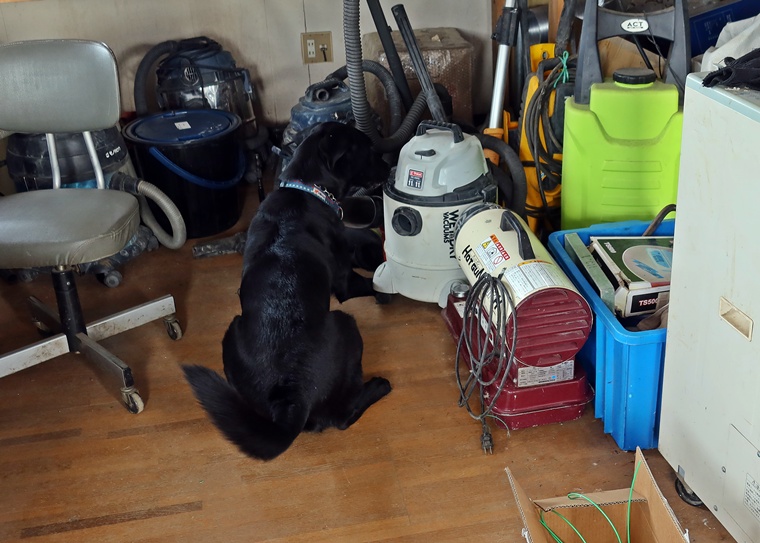
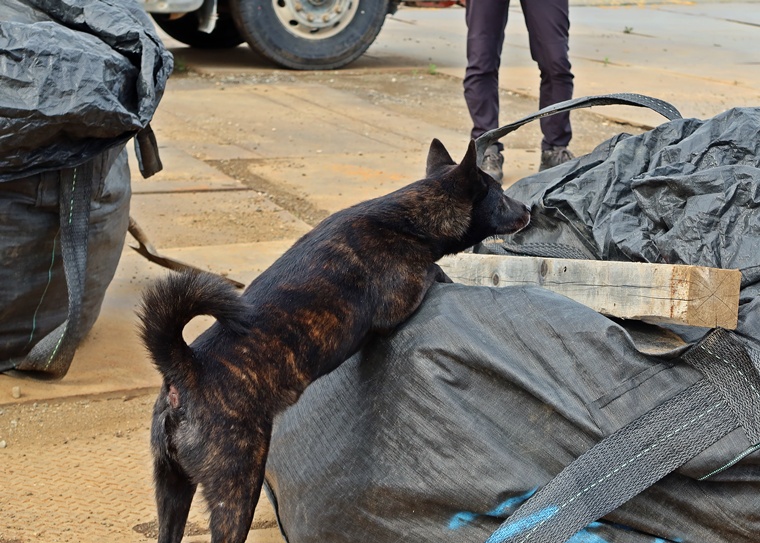
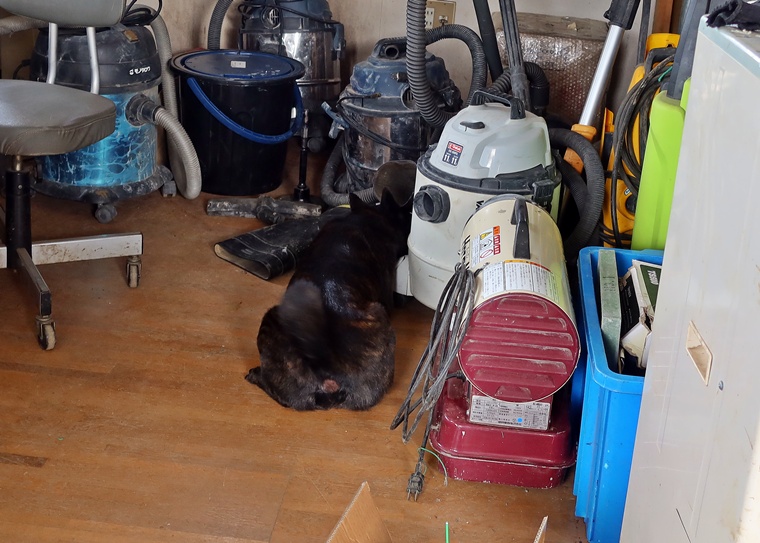
ユニットごとに捜索速度には差が見られるものの、全体としてTFRに対する意識および反応の再現性は向上している。特にオープンエア環境においては、初動から原臭に対する明確なコミットメントが確認され、持続的かつ一貫した集中状態が維持されていた。
一方、室内捜索においては、限定空間という環境特性に加え、時間経過に伴う臭気拡散および滞留(scent pooling / saturation)の影響が顕著に認められた。設定から最終捜索までの経過時間により臭気の層構造および分布が変化し、初動段階でのセントコーンの明確性が低下する傾向が見られた。その結果、1頭目と比較して3頭目では原臭のピンポイント特定に要する時間が明確に増加し、一部のユニットにおいては一時的なサーチドリフトやコミットメントの揺らぎも観察された。
このような環境下では、単純なセントコーン追従ではなく、原臭への再コミットメント能力および微細な臭気変化に対する識別精度が要求される。また、ハンドラーには犬の微細なネガティブインディケーションを正確に読み取り、過剰な介入を避けつつ適切なサーチエリアへの再導入を行う判断力が求められる。
本設定は、閉鎖空間における時間依存的な臭気変化に対する適応能力および、犬とハンドラー双方の統合的な捜索精度を評価する上で有効なトレーニングとなった。
While variations in search speed were observed among the units, overall consistency and reliability in Trained Final Response (TFR) performance have improved. In open-air environments, clear initial commitment to the target odor was evident, with sustained focus and consistent engagement throughout the search.
In contrast, indoor searches presented distinct environmental challenges. Due to the confined space, the effects of time-dependent scent dispersion and accumulation (scent pooling / saturation) became increasingly pronounced. As time progressed from initial setup to the final search, changes in odor layering and distribution were observed, resulting in reduced clarity of the scent cone during initial stages.
Consequently, compared to the first deployment, the third dog required significantly more time to achieve precise source identification. In some units, temporary search drift and fluctuations in odor commitment were observed.
Under such conditions, simple scent cone tracking is insufficient. Dogs are required to demonstrate the ability to re-establish commitment to the source odor and maintain high discrimination accuracy in response to subtle changes in odor distribution. Equally, handlers must accurately interpret minor negative indications, avoid over-handling, and make appropriate decisions to reposition the search within the correct working area.
This training scenario proved effective in evaluating both the dogs’ adaptability to time-dependent scent dynamics in confined environments and the integrated operational performance of the dog-handler team.
Disaster Unit
オビディエンス
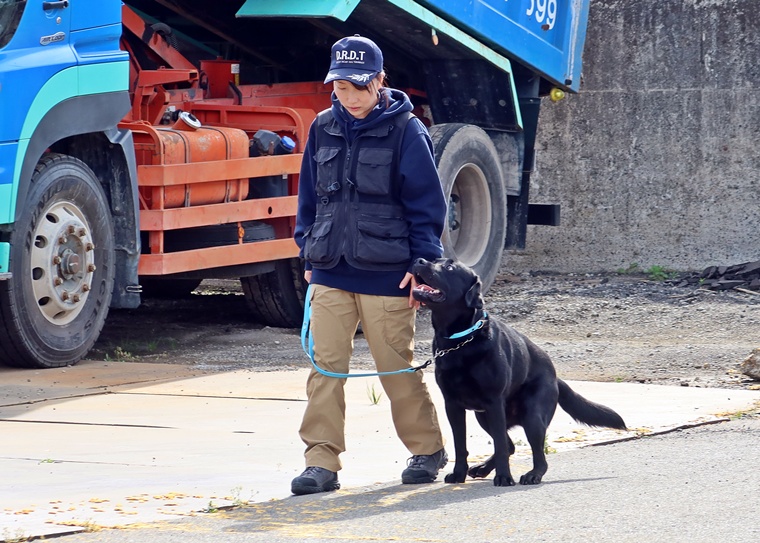
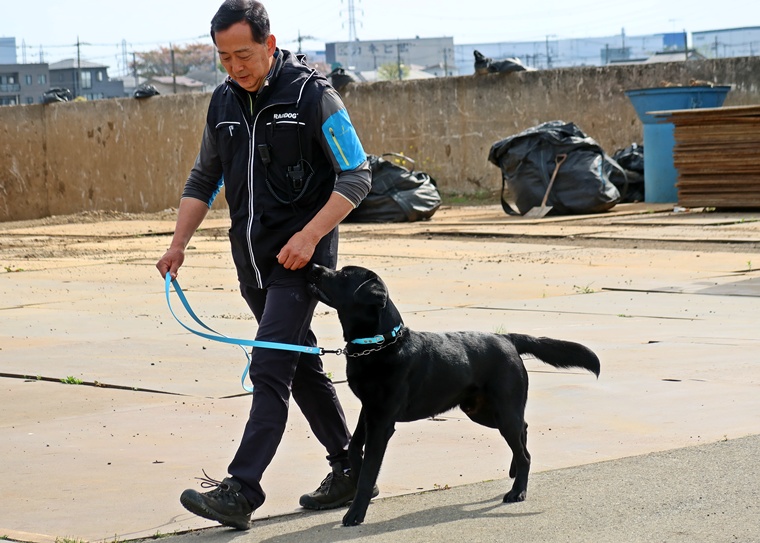
試験を見据えたオビディエンス規定に基づき、基礎トレーニングを実施しました。
現時点における到達度の評価と必要要素の整理を行い、不足している課題については、実践トレーニングと理論の両面から段階的な強化の方向性を確認しました。
意欲の高いハンドラーと資質のあるサーチドッグ候補犬であることから、今後の継続的な取り組みによる精度向上と安定性の確立が期待されます。
Foundational obedience training was conducted in accordance with trial regulations, with a focus on preparation for upcoming evaluations.
Current performance levels were assessed, and required competencies were clearly identified. Areas requiring improvement were addressed through both practical training and theoretical guidance, establishing a structured approach for progressive development.
Given the high level of motivation shown by the handlers and the aptitude demonstrated by the candidate search dogs, continued training is expected to result in further improvements in accuracy and the establishment of consistent performance.
捜索基礎トレーニング
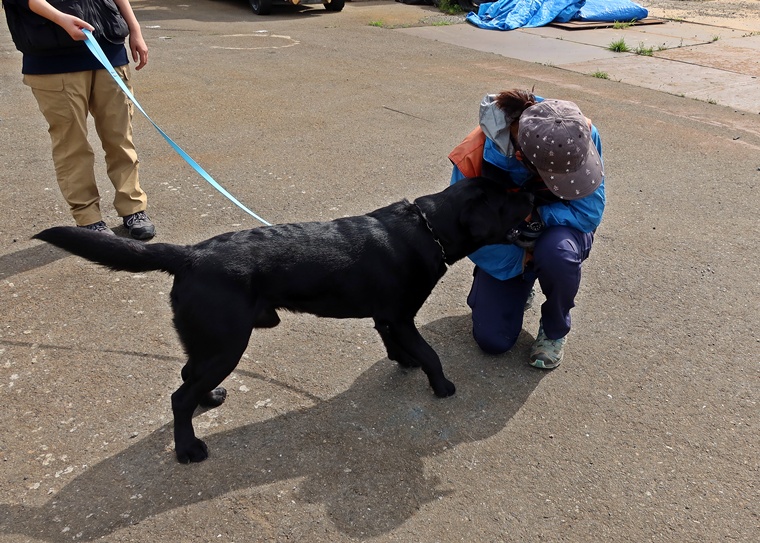
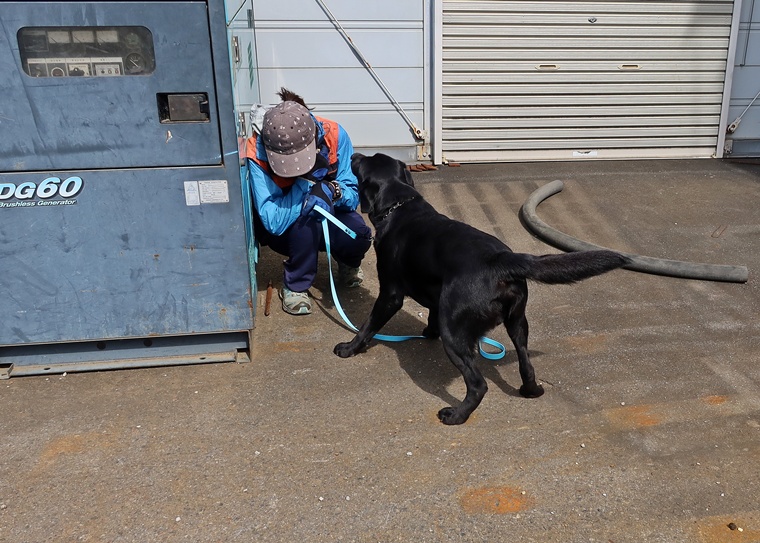
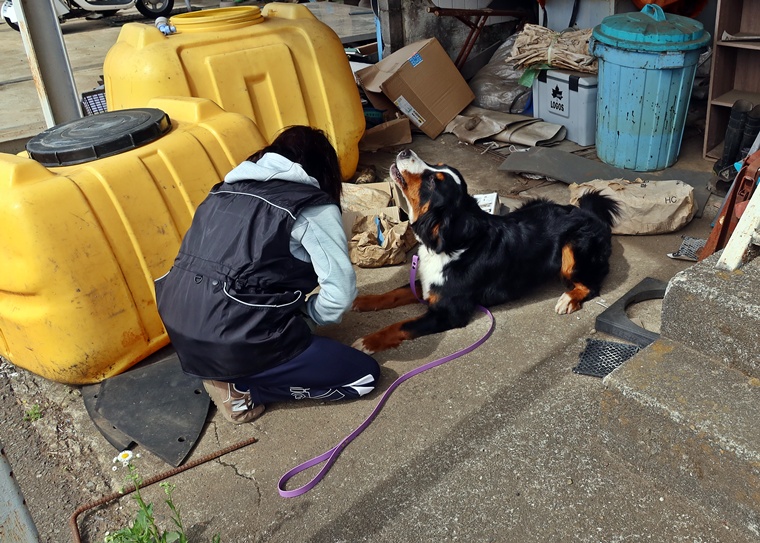
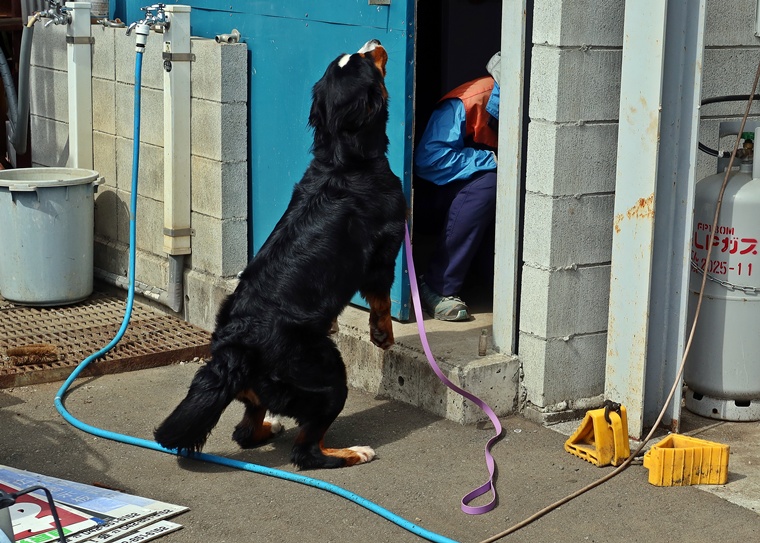
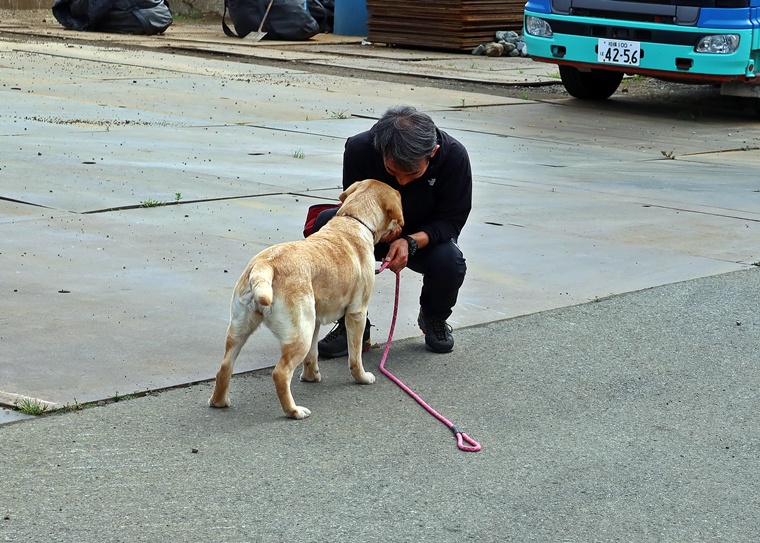
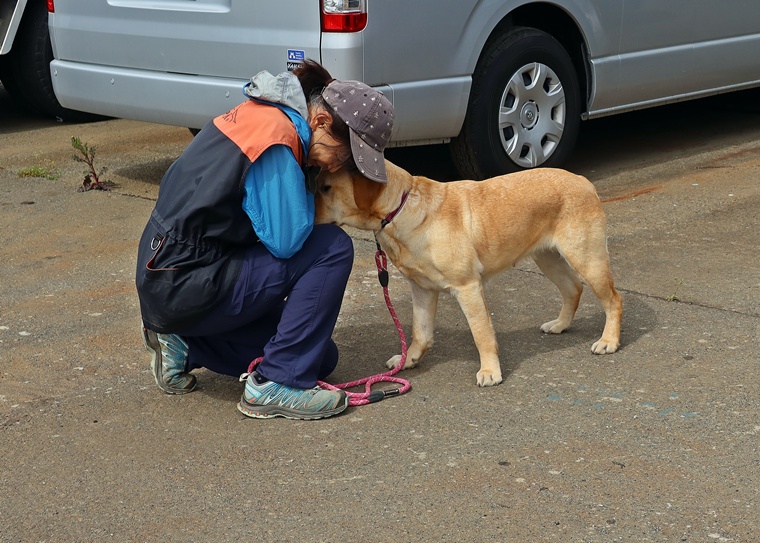
現段階においては、要救助者への意欲的なアプローチから確実な到達、さらに明確でスムーズなバークアラートの発現を目標とし、各ユニットごとの課題に応じたトレーニングを進めていく必要があります。
バークアラートに躊躇が見られる要因は多岐にわたり、要救助者役の変化に伴う認識の不一致や、過度なポイントトレーニングによるプレッシャーの影響により、本来求められる自発的かつ持続的な咆哮が発現しにくくなっているケースも見受けられます。
そのため、原臭へのコミットメントから告知動作への移行がスムーズに行われるよう、トレーニング設定や報酬の与え方を含めた調整が重要となります。
一方で、環境設定やトレーニング意図の理解が進んだユニットにおいては、動きや反応の質に明確な変化が見られており、適切なプロセスによる改善が確認されています。
オーナーハンドラーである特性を踏まえ、日常生活における関わり方も含めて見直しを行いながら、目標とするサーチドッグの基準に向けて、焦らず段階的かつ丁寧にトレーニングを積み重ねていくことが重要です。
At this stage, the goal is for each unit to demonstrate an active approach to the victim, achieve reliable access, and perform a clear and smooth bark alert. Training should be progressed in accordance with the specific challenges identified for each unit.
Hesitation in bark alert behavior can arise from various factors, including inconsistency in subject recognition when the victim role differs from usual conditions, as well as pressure resulting from excessive point-focused training. These factors may inhibit the natural expression of a spontaneous and sustained bark alert.
Therefore, it is important to adjust training setups and reward strategies to ensure a smooth transition from commitment to the target odor to the alert behavior.
On the other hand, units that have developed a better understanding of environmental setups and training intent have shown clear improvements in movement and response quality, confirming the effectiveness of an appropriate training process.
As owner-handlers, daily interactions and relationship management also play a significant role. Moving forward, it is essential to review these aspects while continuing to build training progressively and carefully toward the desired search dog standard.
NSAの活動は、民間ボランティアによる行方不明者の捜索活動です。
多くの方々からご支援いただくことで、より速く、より多くの行方不明者捜索にサーチドッグを派遣することができます。皆様のご支援をお願いいたします。
NSA’s activities are carried out by civilian volunteers.
With the support of many individuals, we can deploy search dogs more quickly and to a greater number of missing person cases.
We sincerely ask for your continued support.

関連記事
-
 2026 第4回NSAサーチドッグ認定審査会_適性試験併催
 -
2026.05.24/ NSA (Trailig/HRD/Disaster)訓練会(相模原市内)
-
2026.05.10/ NSA (Trailig/HRD/Disaster)訓練会(相模原市内)
-
NSA Trailing/Disaster/HRD 訓練会レポート_2026.03.22
-
東京都足立区行方不明者捜索レポート_2026.03.17
-
2026.04.12/ NSA (Trailig/HRD/Disaster)訓練会(相模原市内)ー終了しましたー
-
2026.03.22/ NSA (Trailig/HRD/Disaster)訓練会(相模原市内)ー終了しましたー
-
NSA Trailing/Disaster/HRD 訓練会レポート_2026.02.22