NPO法人 北東北捜索犬チーム Trailig/HRD Workshop_2026.10.04
SRDT Trailing/HRD Workshop
2026年10月4日(日曜日)、青森市浪岡にて、昨年12月以来となる3回目の「NPO法人北東北捜索犬チーム主催 Trailing/HRD勉強会」に参加させて頂きました。
午前中は、TrailingならびにHRDについてのトレーニング理論や、実働を想定したオペレーションについて座学を行いました。前回のワークショップでお伝えした内容についても改めて振り返り、それぞれのトレーニングが何を目的としているのか、また、それを実働にどのようにつなげていくのかを再確認して頂きました。
午後からは屋外へ移動し、まずはオビディエンスの基礎トレーニングを実施しました。捜索活動においても、犬とハンドラーとの基本的な関係性やコマンドへの反応は重要な要素となりますので、それぞれのペアの現在の状態を確認しながら取り組みました。
HRDでは、ブロックサーチを通して、それぞれのペアにおけるハンドラーの成長と犬の反応を確認しました。単にソースを発見することだけではなく、犬が臭気に対して示す反応をハンドラーがどのように観察し、判断するのかについても確認しながらトレーニングを進めました。また、今後TFRを導入していくために必要となる考え方や取り組み方についても、実践を交えながらトレーニングを行いました。犬の現在の反応や理解度を確認し、それぞれのペアに合わせて、どのようにTFRへつなげていくのかを段階的に進めていくことが大切です。
Trailingについては場所を移動し、基礎となるモチベーションランの取り組み方について、レクチャーと実技を行いました。現在、嘱託警察犬として活動しているペアも含め、日頃のトレーニングの基礎となるモチベーションランについて改めて確認し、様々な環境や異なるヘルパーを経験させることの重要性についても取り組みました。
決まった環境や特定のヘルパーだけで成立するトレーニングではなく、多くの異なる経験を積み重ねることで、犬の捜索への意欲と理解を高め、実際の捜索活動にも活かせるTrailingへとつなげていくことが今回の大きな目的となりました。今回の勉強会を通して、犬の捜索能力だけではなく、犬の反応を観察し判断するハンドラーのスキル、そしてUnitとして実働につなげていくために必要な基礎を改めて確認する機会となりました。
Sunday, October 4, 2026 – SRDT Trailing / HRD Workshop
On Sunday, October 4, 2026, we traveled to Namioka, Aomori City, to participate in the third Trailing / HRD Workshop hosted by the NPO North Tohoku Search Dog Team, our first workshop with the team since last December.
The morning session consisted of classroom instruction covering training theory for both Trailing and HRD (Human Remains Detection), as well as operational procedures and considerations for real-world search deployments. We also reviewed key topics introduced during the previous workshop, providing an opportunity for participants to revisit the purpose behind each training exercise and, importantly, how those individual exercises can ultimately be developed into skills applicable to operational search work.
In the afternoon, the workshop moved outdoors, beginning with foundational obedience training. A sound working relationship between dog and handler, together with a reliable response to commands, remains an important element of search operations. The exercises therefore focused on evaluating the current working relationship and performance of each dog-handler pair while reinforcing these fundamental skills.
During the HRD session, block search exercises were used to assess both the handlers’ progress and the dogs’ current responses to target odor. The objective was not simply for the dogs to locate the training aids; particular emphasis was also placed on how effectively each handler could observe and interpret the dog’s behavioral responses to odor and use that information to make appropriate decisions during the search.
Practical exercises were also used to introduce the principles and training approach required for the future development of a Trained Final Response (TFR). It is important to first assess each dog’s current responses and level of understanding, and then progressively develop the appropriate pathway toward a reliable TFR according to the individual needs of each dog-handler pair.
For the Trailing session, we moved to a different location, where both instruction and practical exercises focused on the correct use and development of motivation runs as a foundation for future Trailing work. Participants—including dog-handler pairs currently working as commissioned police dog teams—reviewed the purpose and structure of motivation runs as part of their ongoing training. Particular attention was also given to the importance of exposing dogs to a variety of environments and working with different helpers.
The objective is not to develop dogs that can perform only under familiar conditions or with a specific helper. By progressively providing a wide range of experiences, we aim to strengthen the dogs’ motivation to search, deepen their understanding of the search task, and build a foundation for Trailing that can ultimately be applied to real-world search operations.
Overall, the workshop provided an important opportunity to revisit not only the development of the dogs’ search capabilities, but also the handlers’ ability to observe and interpret their dogs’ responses, make appropriate decisions based on the information provided by the dog, and develop the fundamental skills required for the dog and handler to work effectively together as a unit under operational conditions.
HRD training
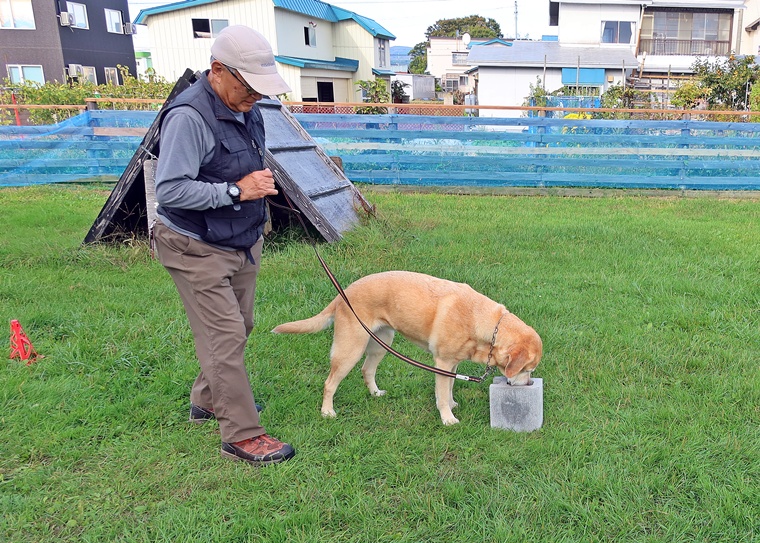
単体ブロックで原臭の刷り込み
HRDのトレーニングでは、まず単体ブロックのホットポイントに対して犬が示すナチュラルな反応を確認し、その反応をハンドラーが的確に読み取りながら、適切なポイントで報酬を提示するという一連の流れについて再確認しました。この段階では、犬に特定の動きを求めることよりも、原臭に対して犬自身がどのような反応を示すのかをシッカリ観察し、その反応を適切なタイミングで強化することが大切です。
また、ホットポイントに対する犬の意欲を見極める上で重要になるのが、一連の流れが終了し、ハンドラーがホットポイントから立ち去ろうとした際に見せる、犬自身のホットポイントへの執着行動です。次の作業へ移ることだけを考えて犬を無理に引き離すのではなく、それでもホットポイントへ戻ろうとする、あるいはその場に留まろうとする強い意欲を更に誉め、報酬につなげていきます。
この自発的な執着をシッカリ強化することが、単体ブロックを使用した原臭の刷り込みにおける重要なポイントになります。今回参加したどのペアにも、ホットポイントに対する興味や強い執着が見られ、原臭に対する良い反応を確認することができました。
Target Odor Imprinting Using a Single Block
During the HRD training, we first reviewed the complete training sequence using a single block containing a hot point. The initial focus was on observing the dog’s natural response to the target odor, accurately recognizing and interpreting that response, and delivering the reward at the appropriate moment.
At this stage, rather than requiring the dog to perform a specific trained behavior, it is important for the handler to carefully observe how the dog naturally responds to the target odor and to reinforce that response with precise timing.
Another important indicator of the dog’s motivation toward the hot point can be observed after the exercise has concluded and the handler begins to move away. Particular attention was given to whether the dog voluntarily attempted to return to the hot point or showed a strong desire to remain engaged with it.
Rather than pulling the dog away simply to move on to the next exercise, this voluntary persistence should be recognized, praised, and further reinforced with an appropriate reward. Encouraging the dog’s own desire to return to and remain engaged with the target odor helps build a strong and positive association with the odor source.
Strengthening this voluntary and sustained engagement with the hot point is a key component of target odor imprinting using a single block. All of the dog-handler pairs participating in this workshop demonstrated clear interest and strong persistence toward the hot point, allowing us to confirm positive responses to the target odor.
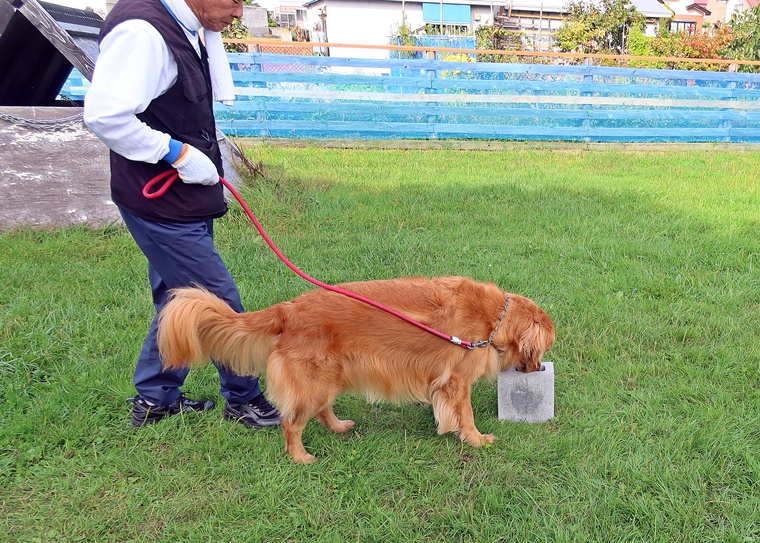
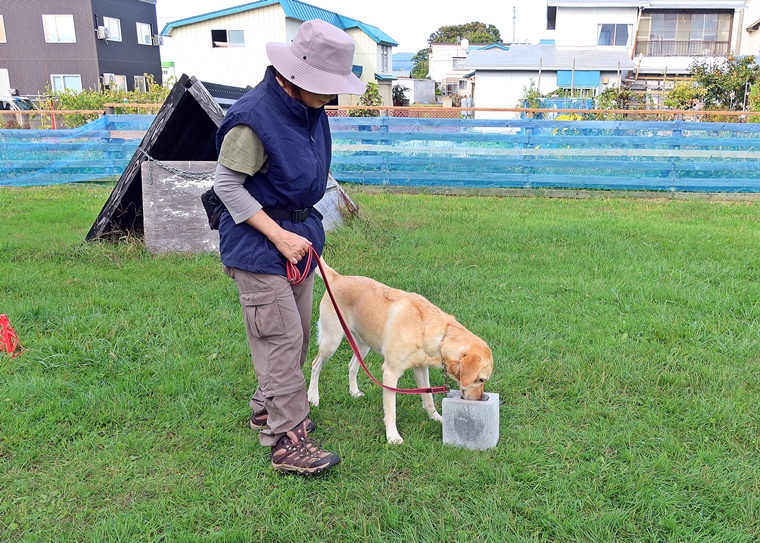
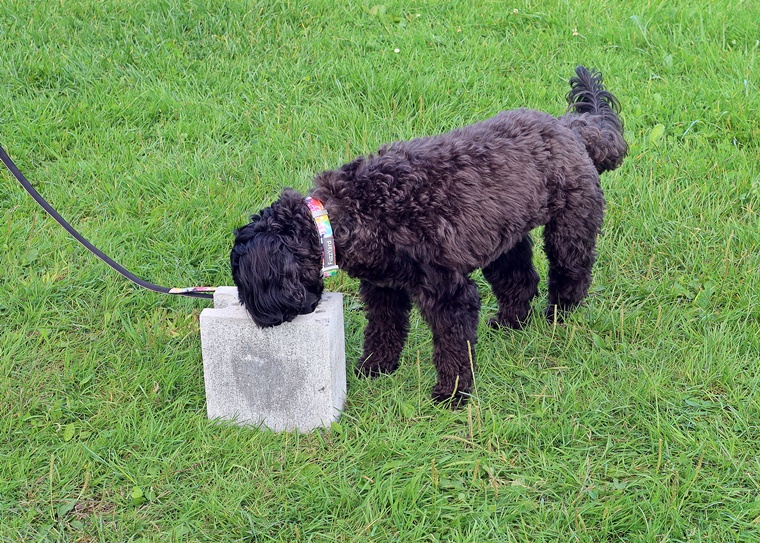
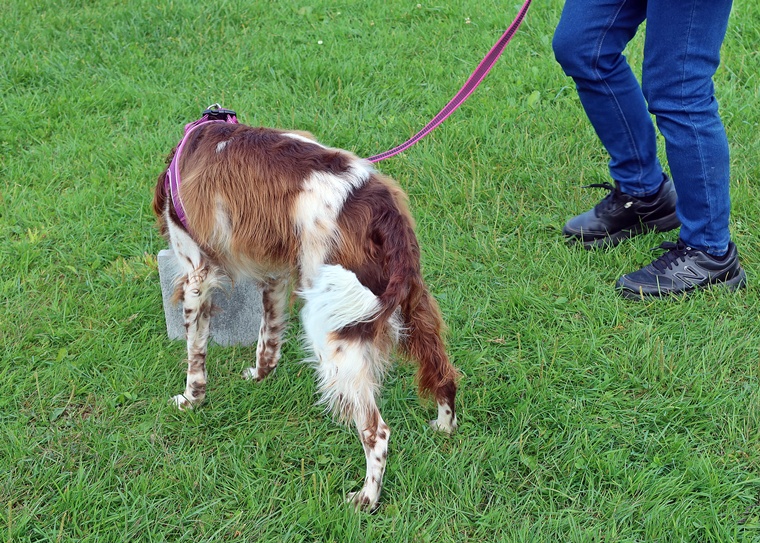
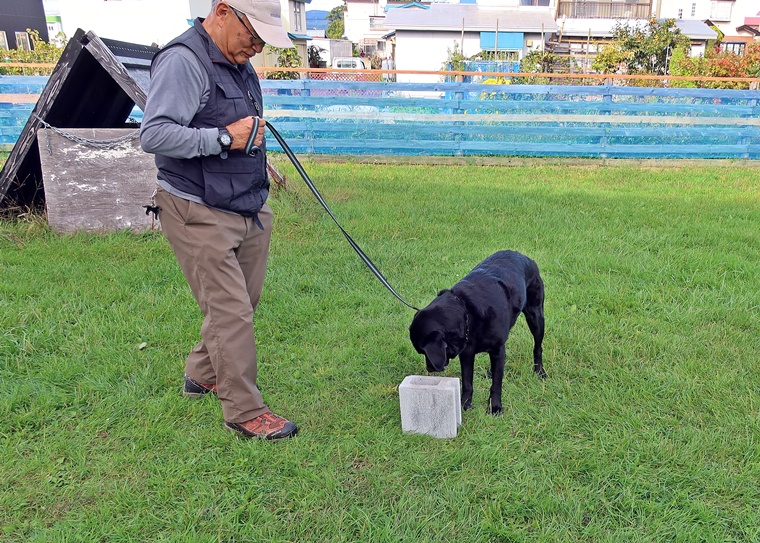
一方で、犬が良い反応を示しているにもかかわらず、ハンドラーから報酬を提示するタイミングがズレることで、本来持っている犬の能力や意欲を十分に引き出しきれていない場面も見られました。
犬の反応そのものを作ろうとするのではなく、まずは犬が自然に示している反応を正確に観察し、「どの瞬間を強化するのか」をハンドラーが判断できることが重要です。犬の持っている能力を最大限に活かせるよう、今後もハンドラーの観察力と報酬のタイミングを含めたスキルアップを進めていきましょう。
On the other hand, there were also instances where the dogs were displaying good natural responses, but the timing of the handler’s reward did not accurately correspond with those responses. As a result, the dogs’ existing ability and motivation were not always being reinforced as effectively as they could have been.
Rather than trying to create or shape a response too early, it is important for the handler to first carefully observe and accurately recognize the dog’s natural response, and then determine exactly which moment should be reinforced.
To make full use of each dog’s natural abilities and motivation, we will continue to develop the handlers’ skills, with particular emphasis on observation, accurate interpretation of the dog’s behavior, and precise reward timing.
複数ブロックでのORT
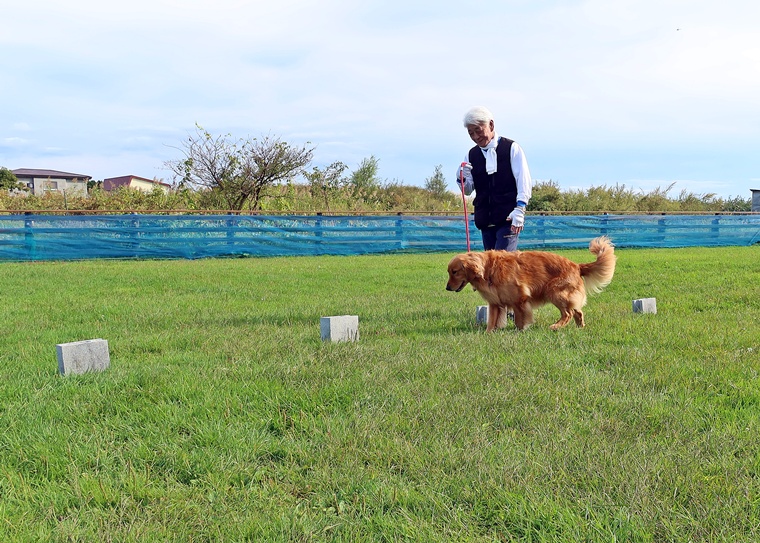
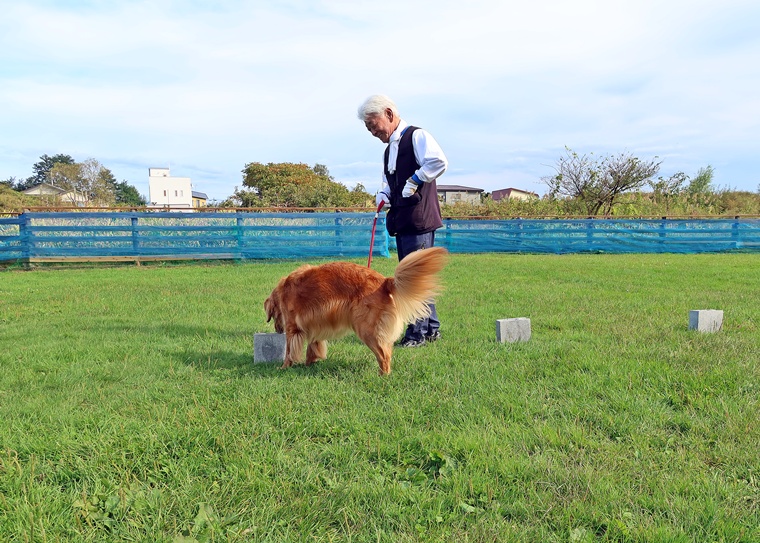
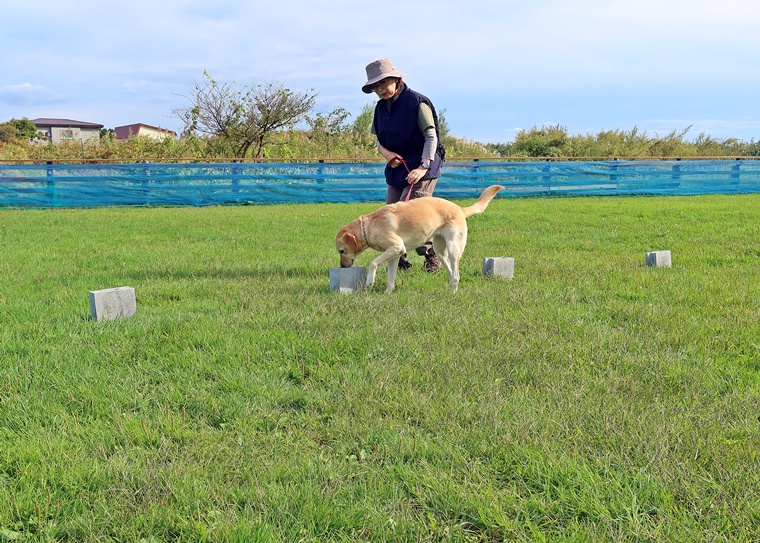
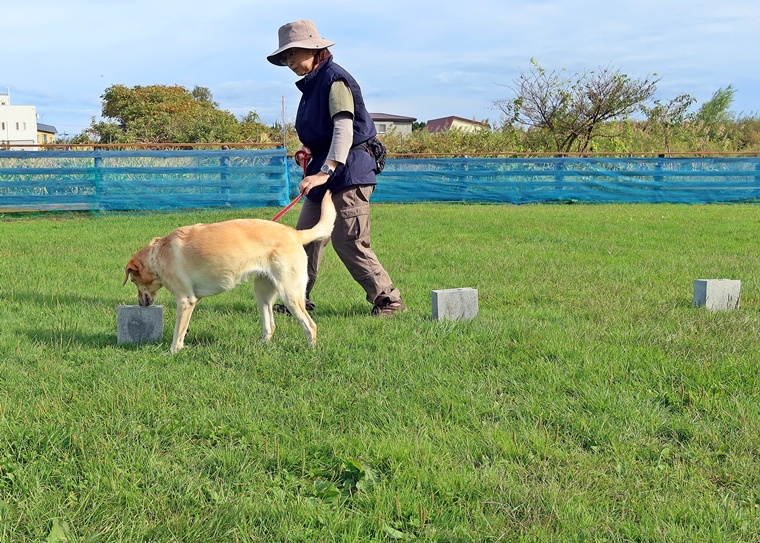
複数ブロックを使用したブロックサーチについては、クリアブロックとホットポイントのブロックを明確に識別するORTができており、それぞれのペアで原臭に対する安定した反応を確認することができました。
今回は7個のブロックを使用し、往復しながらサーチを行う設定としました。進行方向が変わることでホットポイントの位置も左右で変化しますが、そのような条件の中でも、それぞれのペアがクリアブロックを通過し、正確にホットポイントへ反応できていました。
Odor Recognition Test (ORT) Using Multiple Blocks
For the block search using multiple blocks, the dog-handler pairs demonstrated the ability to perform an Odor Recognition Test (ORT) by clearly discriminating between the clear blocks and the block containing the hot point. Each pair showed a consistent and reliable response to the target odor.
For this exercise, seven blocks were arranged so that the dogs searched the same line in both directions. As the direction of travel changed, the position of the hot point shifted from one side of the dog to the other. Despite this change in presentation, each dog was able to pass the clear blocks without indicating and accurately identify and respond to the hot point.
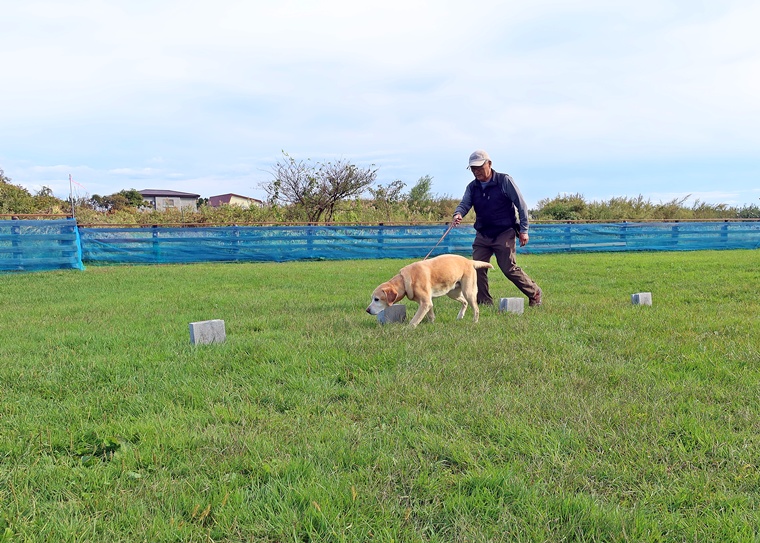
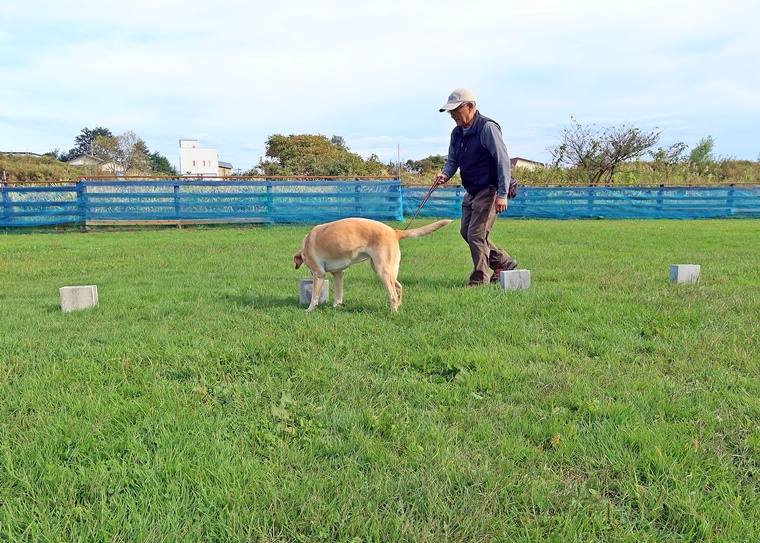
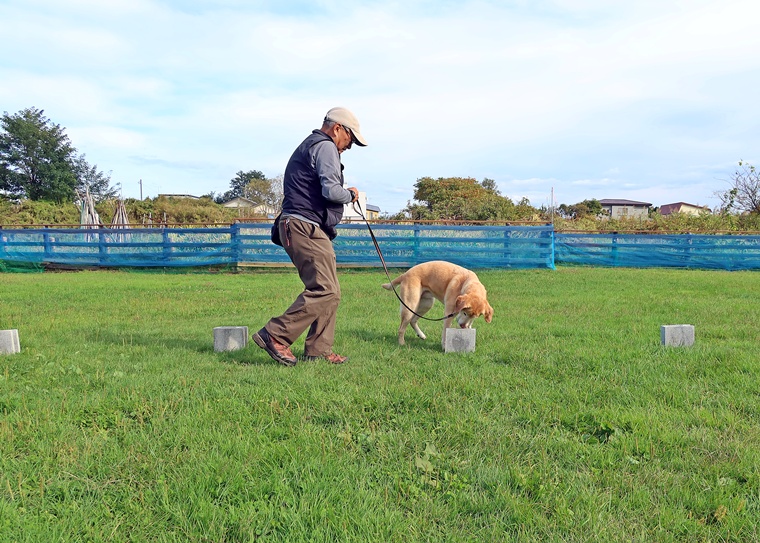
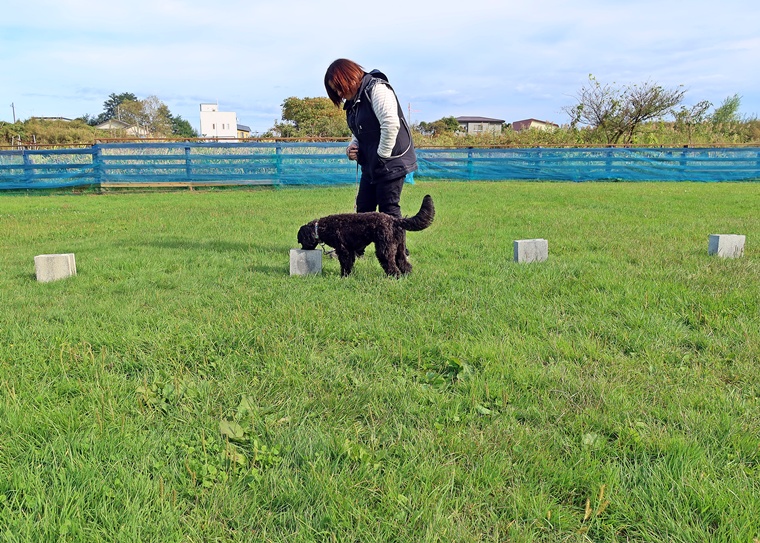
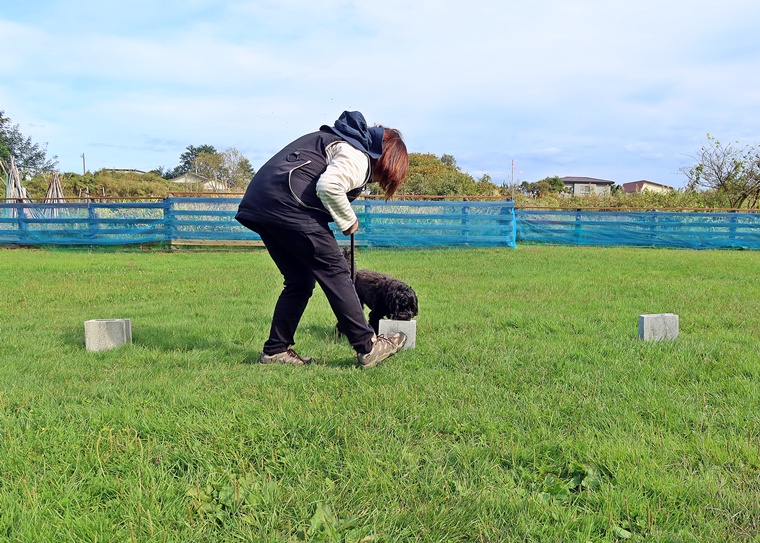
この段階までORTが安定してきていますので、今後は次のステップとしてTFRを導入し、原臭を認識した際の反応から、明確で安定した告知動作へ移行できるようにトレーニングを進めていきましょう。
ここでも重要になるのが、ハンドラーから報酬を提示するタイミングです。TFRの形だけを先に求めるのではなく、まずは犬がホットポイントに対して示す純粋な反応をハンドラーが正確に観察し、その反応を適切なタイミングで強化することが大切です。
With the ORT now becoming consistent and reliable at this stage, the next step will be to introduce the Trained Final Response (TFR). Training will progressively focus on helping the dogs transition from their natural response upon recognizing the target odor into a clear, reliable, and consistent final indication.
Once again, one of the key factors in this process will be the timing of the handler’s reward. Rather than focusing too early on the final form of the TFR itself, handlers should first carefully observe and accurately recognize the dog’s natural response to the hot point, and then reinforce that response at the appropriate moment.
By building upon the dog’s natural response in this way, the TFR can be developed progressively while maintaining a clear and positive association with the target odor.
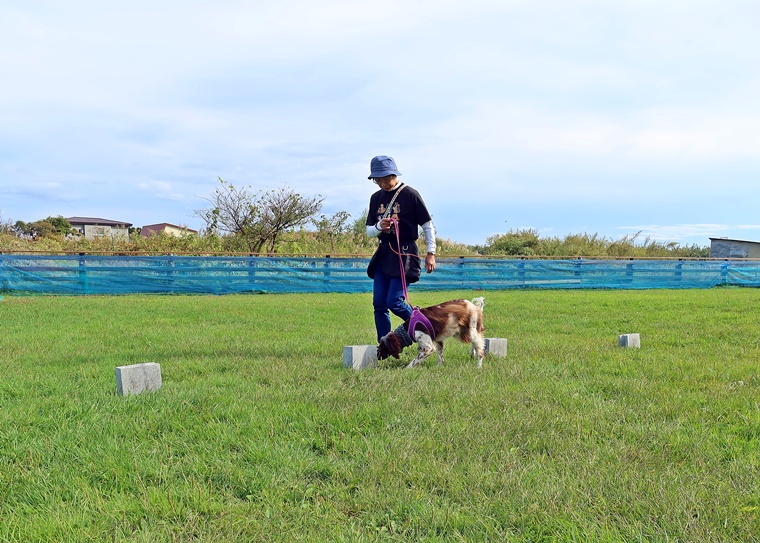
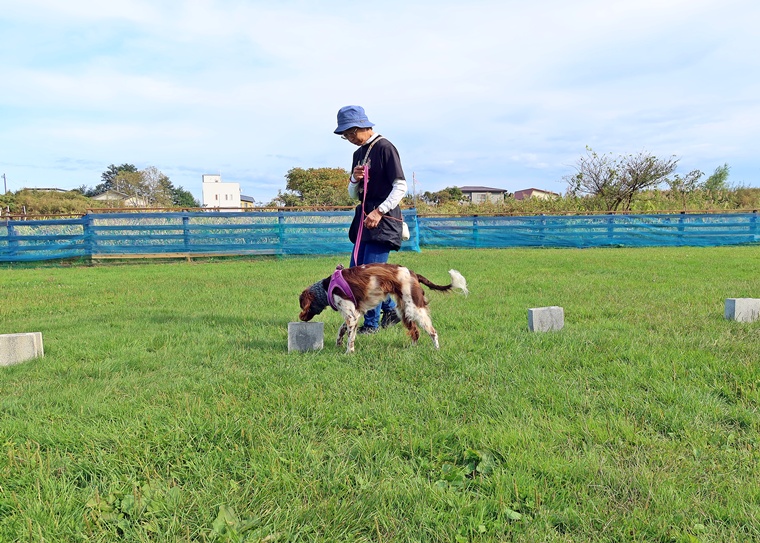
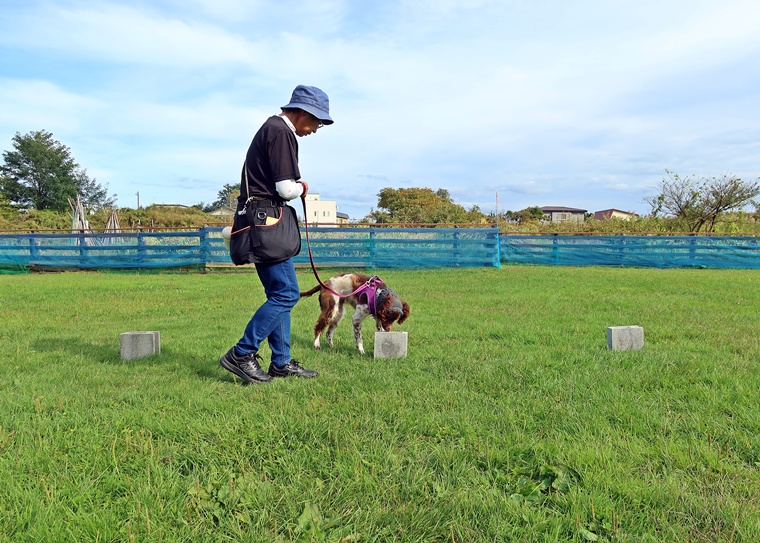
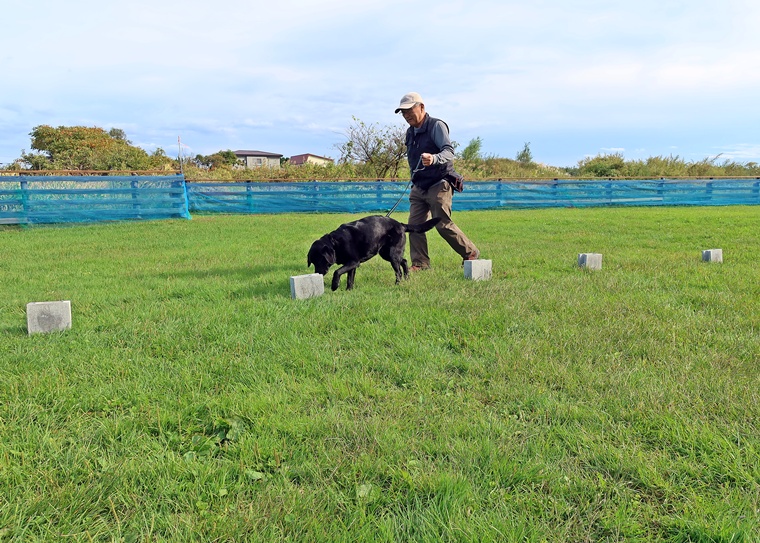
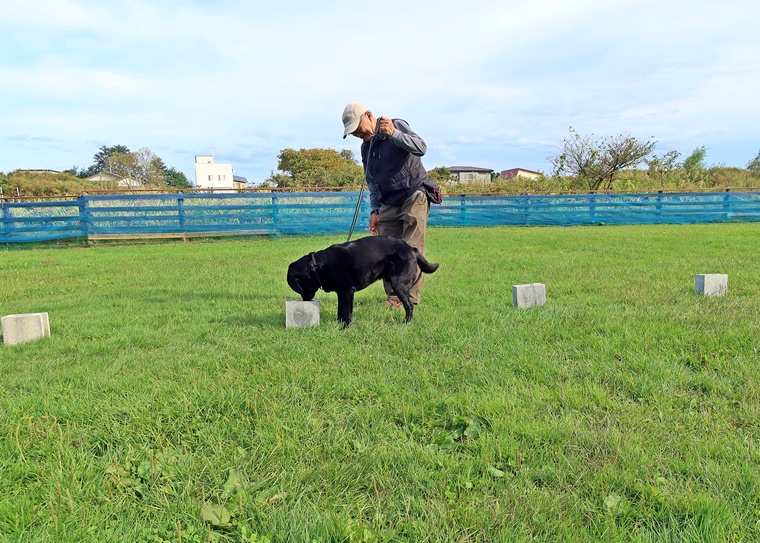
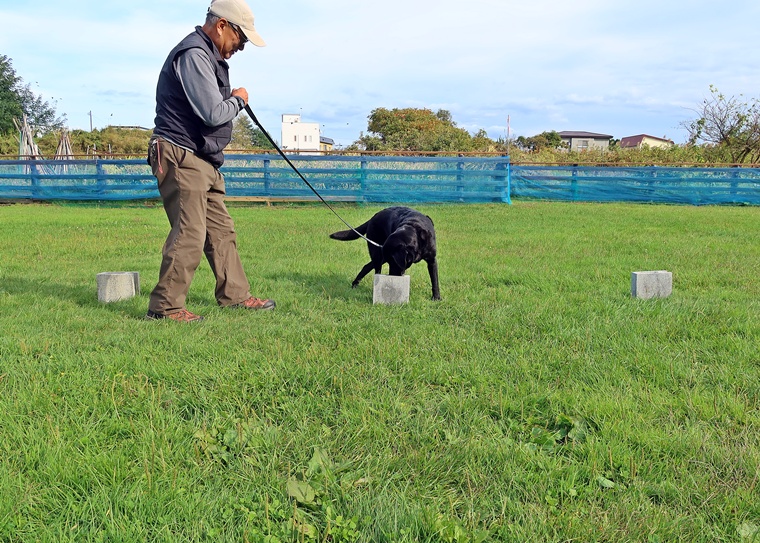
犬自身が示す原臭への反応を活かしながらTFRへつなげ、ホットポイントを正確に特定した上で、精度の高い安定したTFRを確立できるように取り組んでいきましょう。
Moving forward, we will continue to build upon each dog’s natural response to the target odor and progressively develop that response into a reliable TFR. The goal is for the dog to accurately pinpoint the hot point and then perform a clear, precise, and consistent Trained Final Response (TFR).
Trailing training
前回以降のトレーニングの進捗状況を確認しながら、それぞれのペアが現在抱えている課題を洗い出し、今後のトレーニングだけではなく、実働時のオペレーションにも活かして頂けるよう、Trailingの理論的な要素について改めて確認しました。
実技では、普段とは異なる新しい環境とヘルパーを設定し、環境や対象者などの条件が変化した場合でも、犬が捜索への意欲を維持しながら取り組めるかを確認しました。
While reviewing the progress made since the previous workshop, we identified the current training challenges of each dog-handler pair and revisited the theoretical principles of Trailing, with the aim of applying these concepts not only to future training but also to operational decision-making and search procedures in real-world deployments.
During the practical exercises, the dogs worked in unfamiliar environments with different helpers from those normally used in training. This allowed us to assess whether the dogs could maintain their motivation and commitment to the search task even when key variables—such as the environment and the target person—were changed.
モチベーションラン
昨年のトレーニングでは、それぞれのペアでヘルパーが固定されていたため、モチベーションランを繰り返すことで、ヘルパーに対する意欲も高まり、安定したトレールにつながっていました。
今回は、全てのペアがこれまでヘルパーを経験したことのない1名を共通のヘルパーとして設定し、モチベーションランに取り組みました。そのため、普段とは異なるヘルパーであることや、ヘルパーの姿勢・動きなどの違いによって、ヘルパーの直近までスムーズに到達できない場面も見られました。
During last year’s training, each dog-handler pair worked consistently with the same helper. Through repeated motivation runs, the dogs developed strong motivation toward their familiar helper, which contributed to increasingly consistent and confident trail work.
This time, however, a single helper whom none of the dogs had previously worked with was used for all of the pairs. The teams then conducted motivation runs under this new condition. Because the dogs were working with an unfamiliar helper, and because the helper’s posture, movement, and interaction differed from what they had previously experienced, there were instances where some dogs were not able to approach and reach the helper as smoothly or confidently as they normally would.
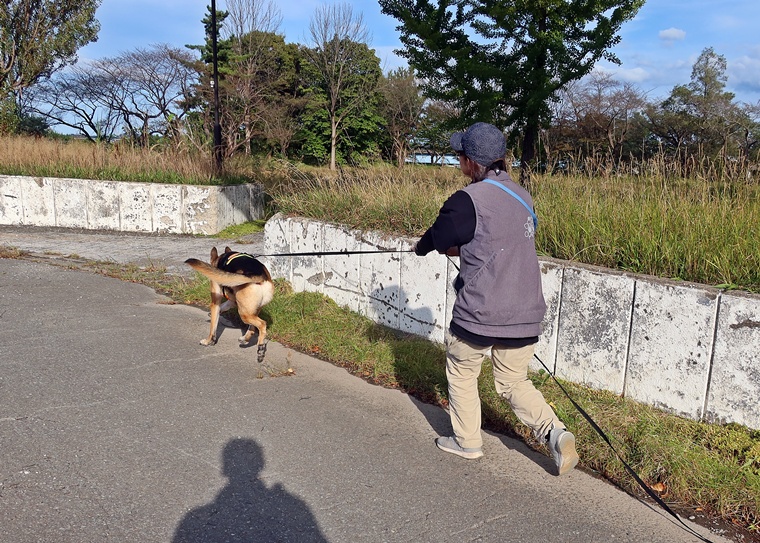
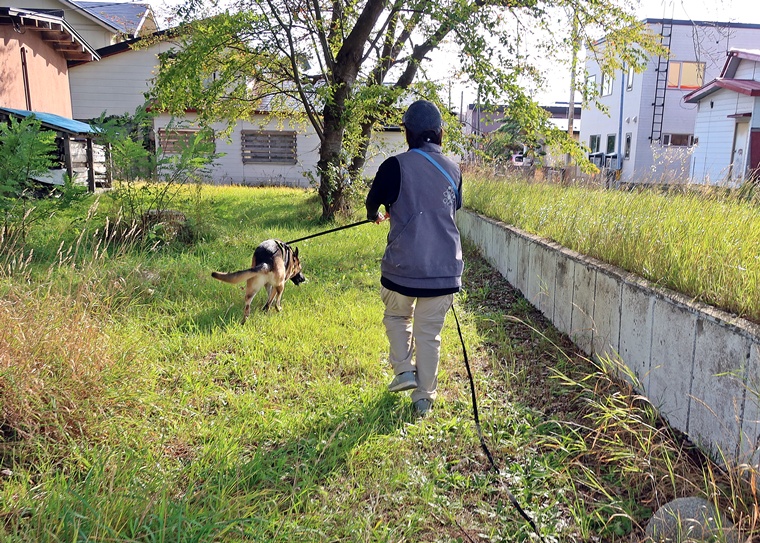
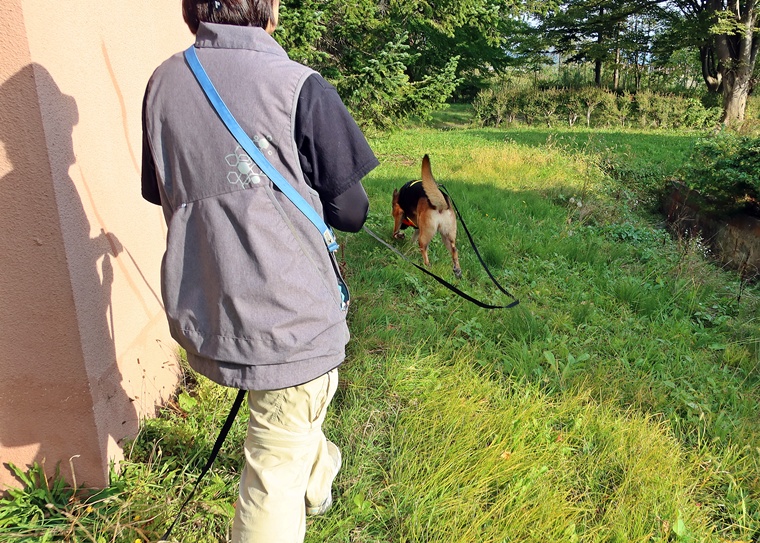
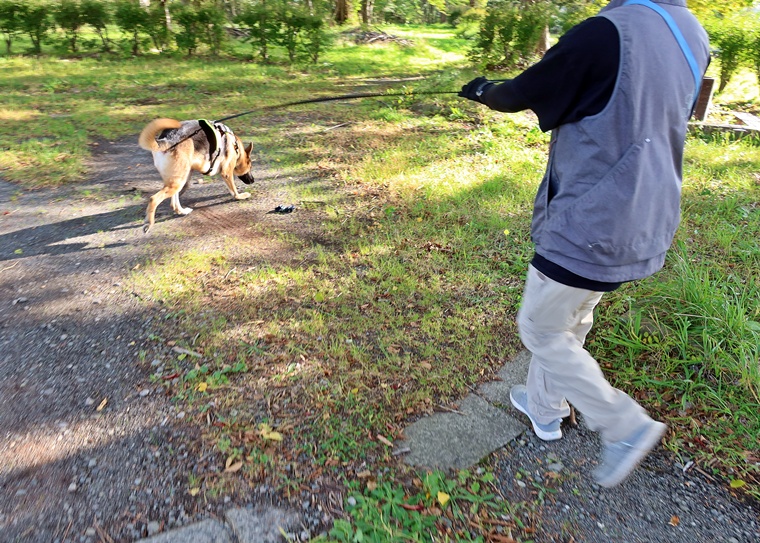
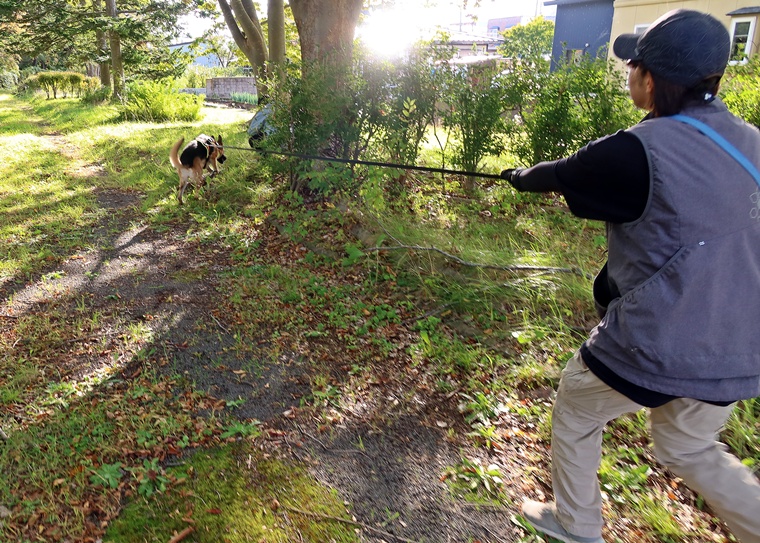
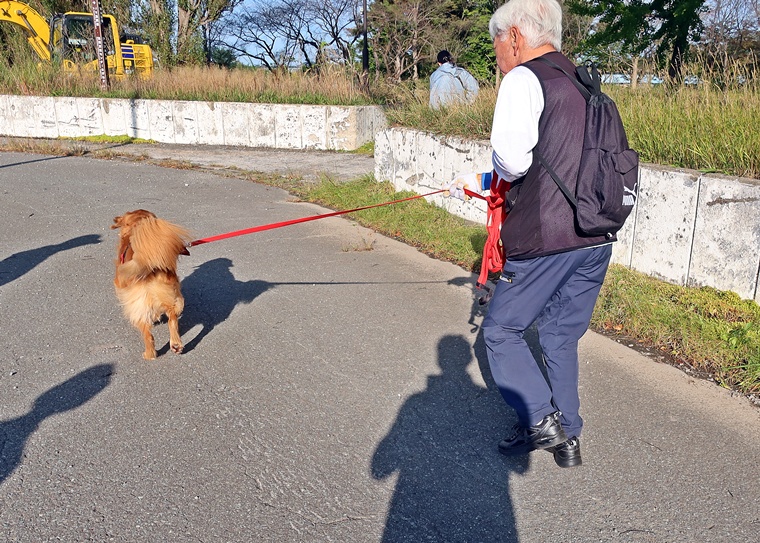
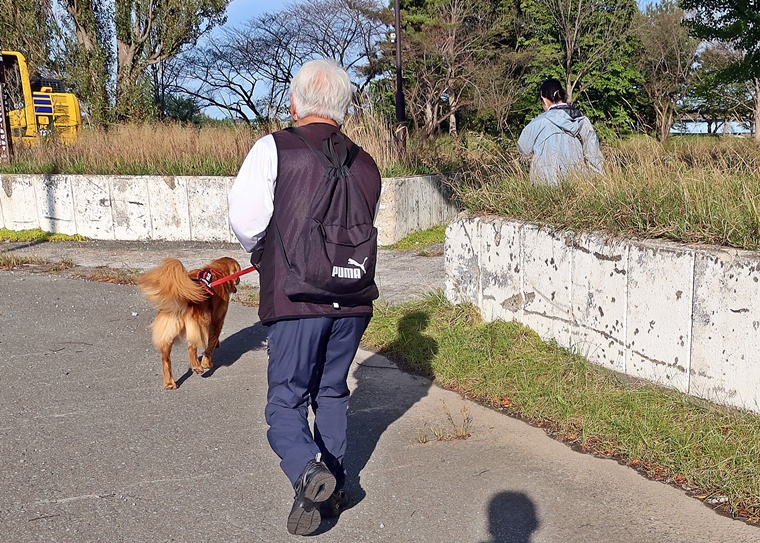
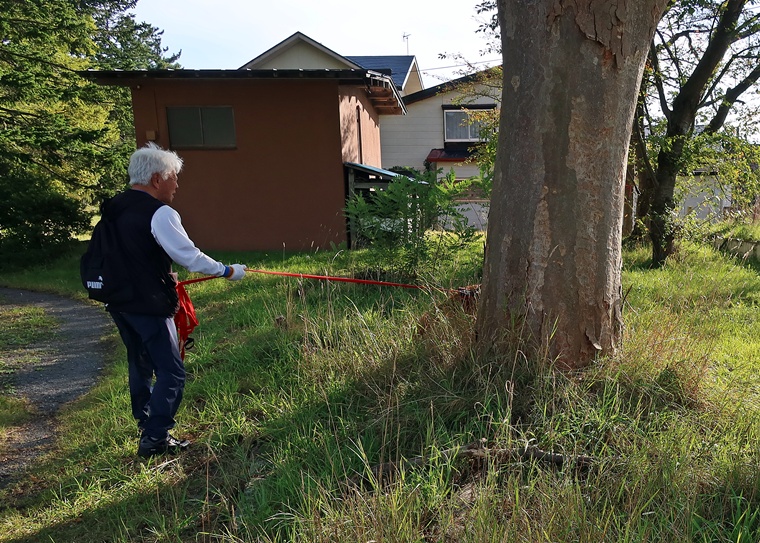
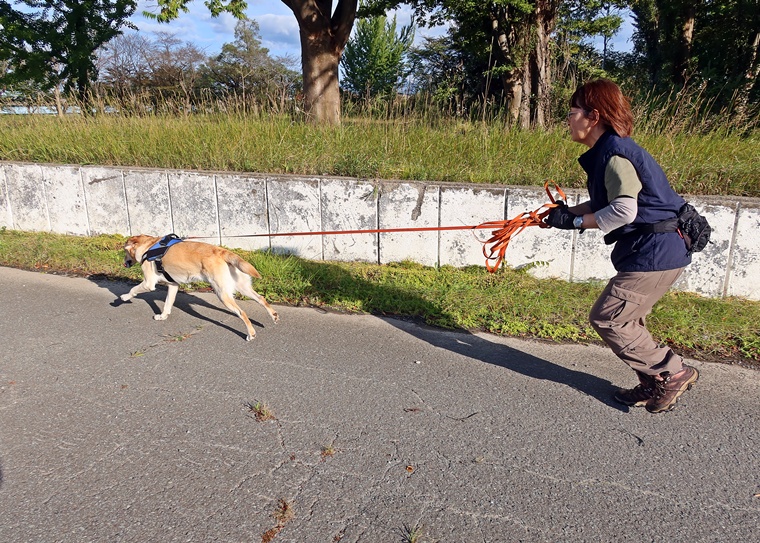
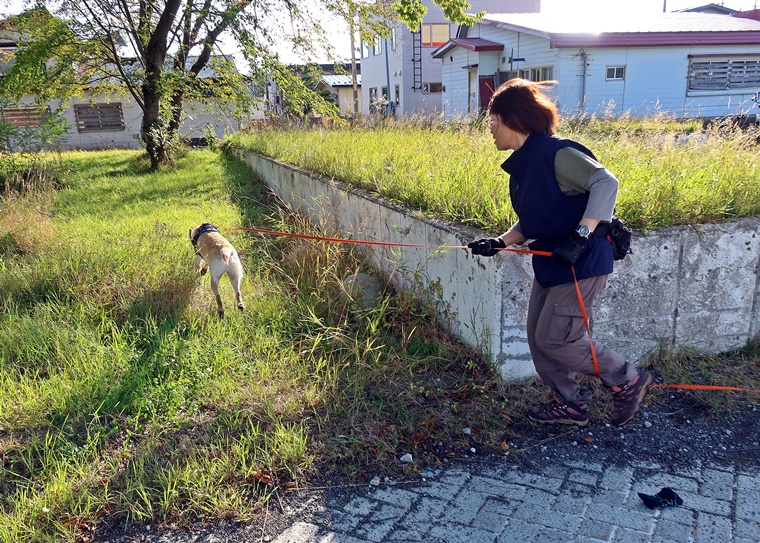
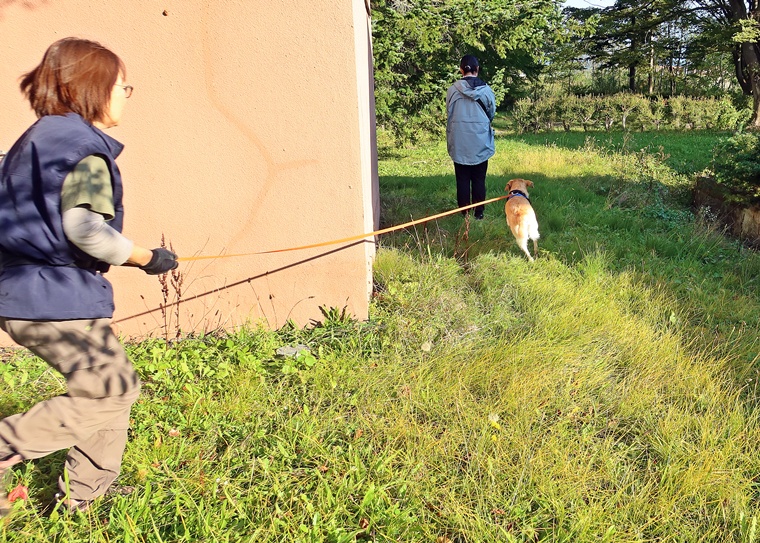
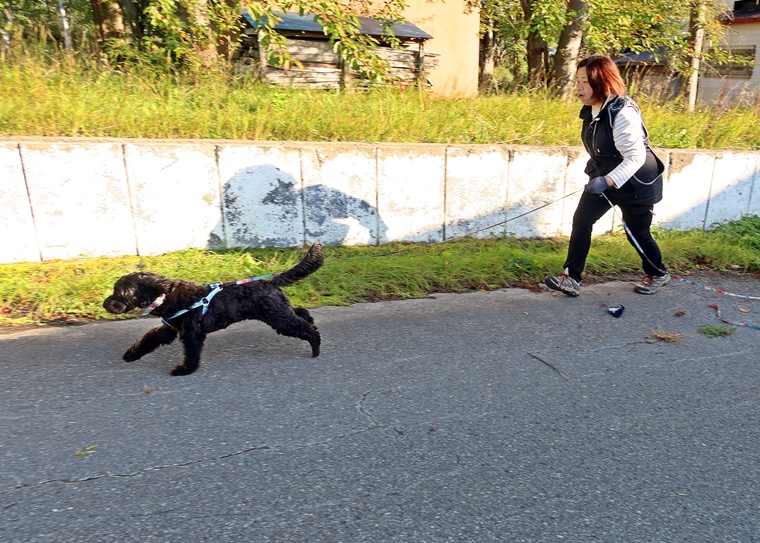
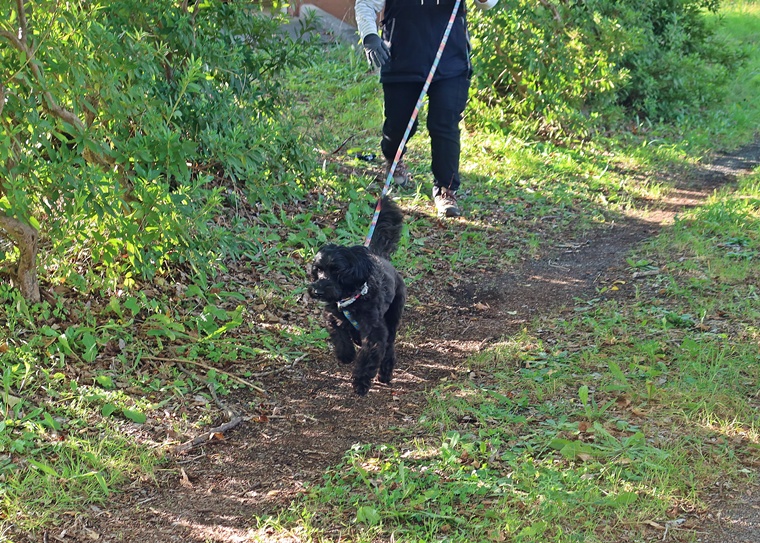
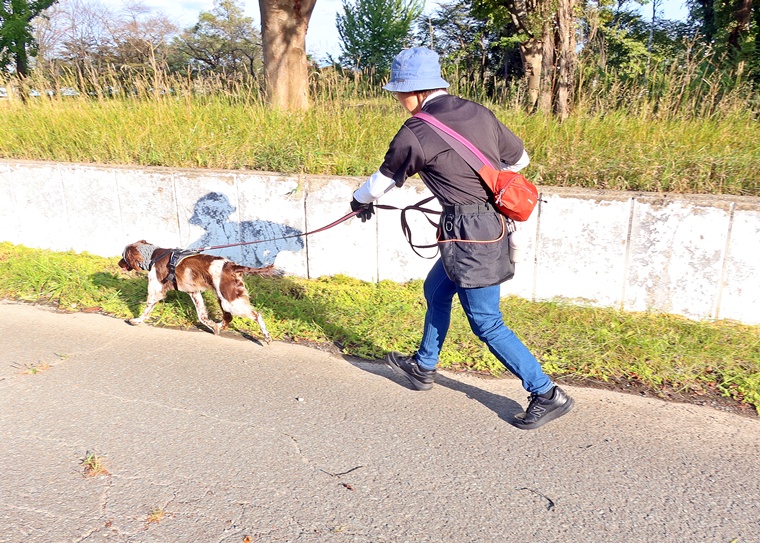
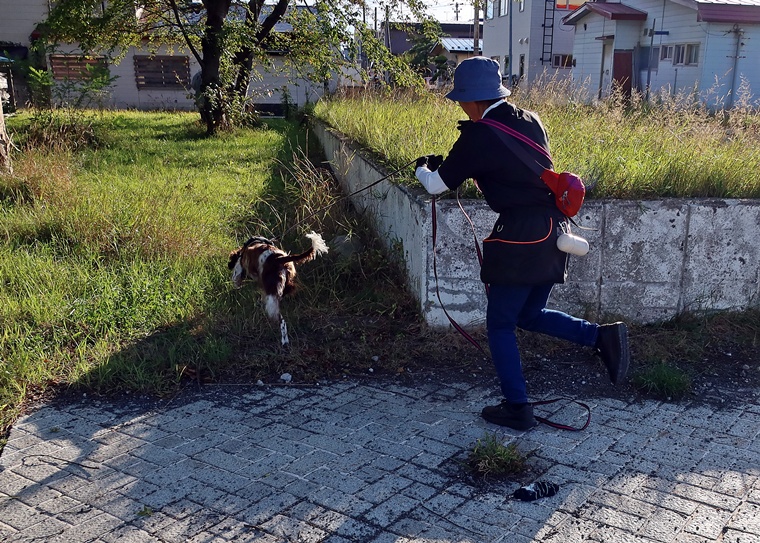
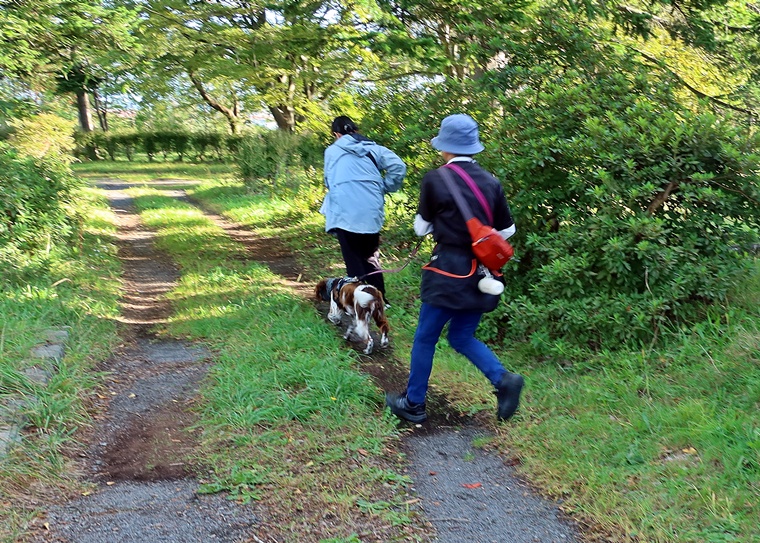
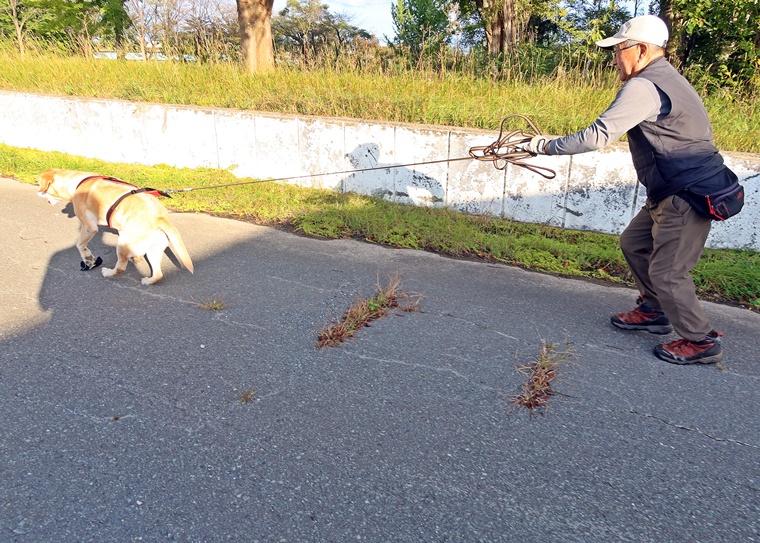
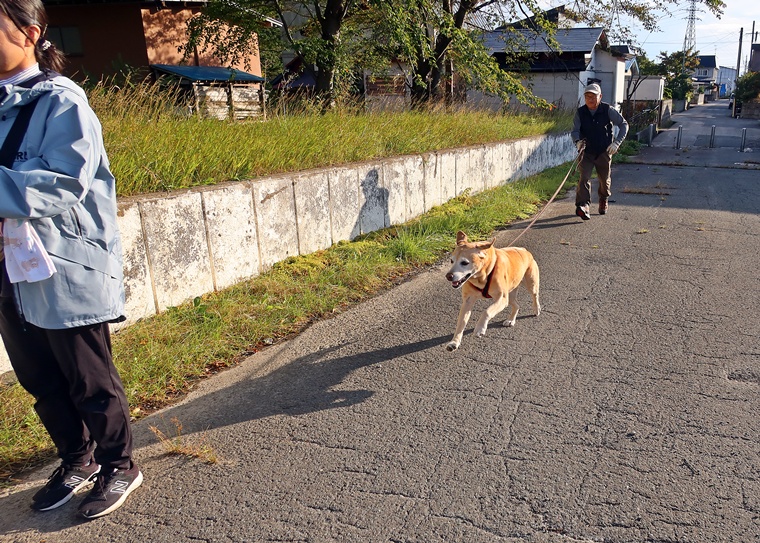
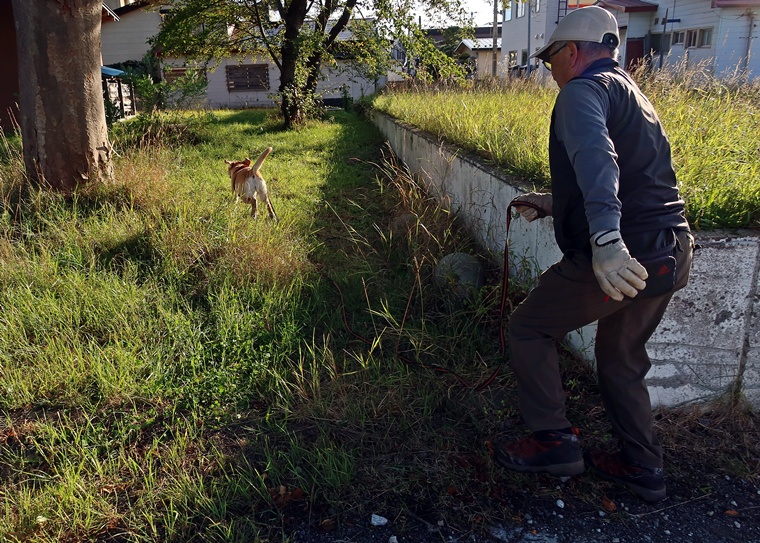
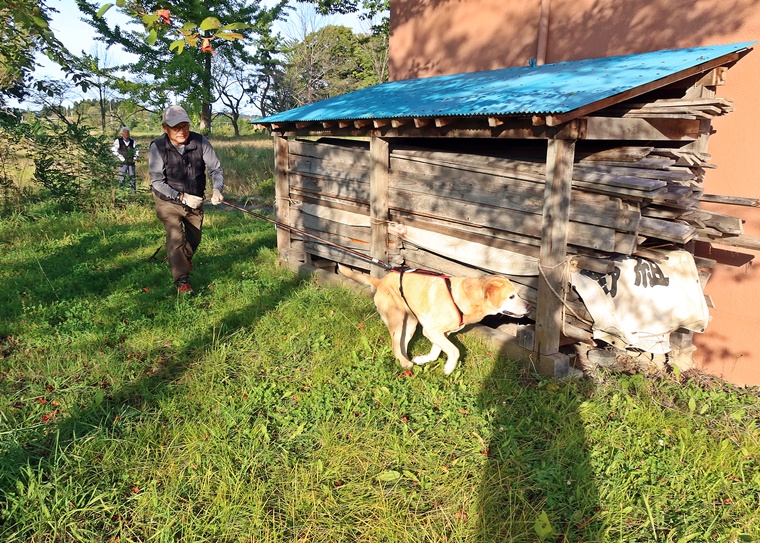
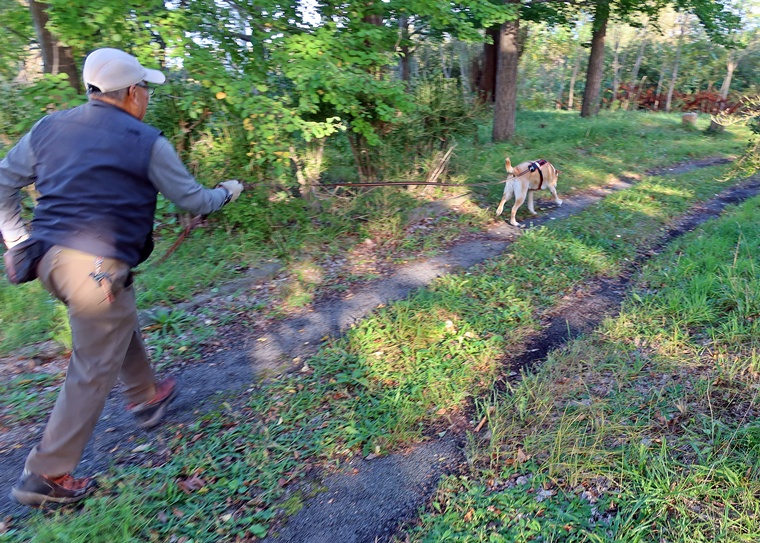
モチベーションランでは、特定のヘルパーだけを追うことが目的ではなく、提示された対象臭と臭跡を関連付け、意欲的にトレールを継続して対象者へ到達するための基礎を作ることが重要です。
今後は、スタート時のScent Articleからの対象臭の認識と臭跡との関連付けを丁寧に行い、まずは短い距離から確実な成功を積み重ねていきましょう。また、異なるヘルパーや様々な環境を経験させることで、条件が変化しても意欲的に臭跡を追い、対象者まで確実に到達できるようトレーニングを進めていきましょう。
The purpose of motivation runs is not simply to teach the dog to follow a particular helper. Rather, they provide an important foundation for helping the dog associate the presented target odor with the corresponding scent trail, maintain strong motivation to work that trail, and ultimately locate the target person.
Moving forward, particular attention should be given at the start of each exercise to helping the dog clearly recognize the target odor from the scent article and establish the association between that odor and the corresponding scent trail. Beginning with short, achievable trails and building repeated successful experiences will help strengthen the dog’s understanding and confidence in the task.
At the same time, progressively exposing the dog to different helpers and a variety of environments will help develop greater adaptability and independence. Through these experiences, training should progress toward enabling the dog to remain motivated to follow the scent trail and reliably locate the target person even when the conditions change.
終わりに
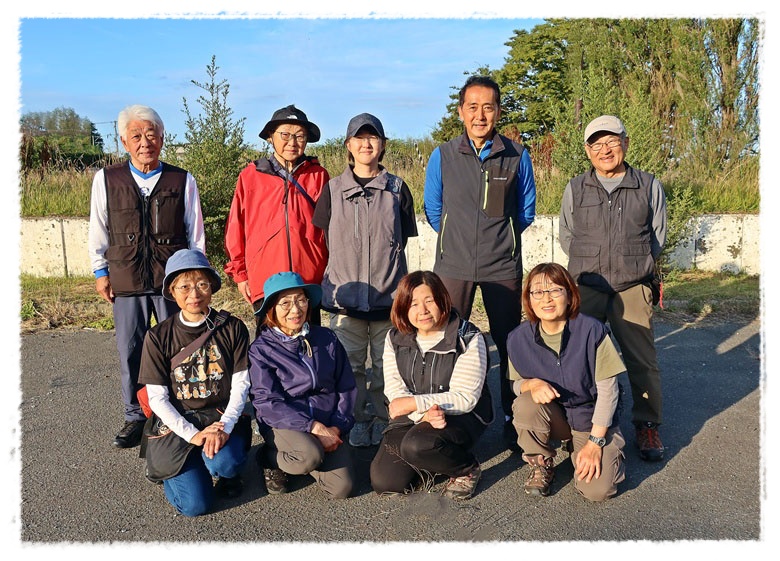
朝から限られた時間の中での勉強会となり、ハンドラーにとっても犬たちにとっても、多くのことを学び、考え、経験する一日となったことと思います。
昨年末以来の勉強会でしたが、皆さんの変わらぬ向上心と、それぞれの犬たちの成長をシッカリ感じることができ、非常に充実した時間となりました。また、今回のトレーニングを通して、現在できていることだけではなく、それぞれのペアが今後取り組むべき課題についても確認することができたと思います。
次回の適性試験に向けて、今回確認できた課題を日々のトレーニングに活かしながら、それぞれのペアが更に成長できるよう、尚一層トレーニングに励んでください。今回も大変お世話になりました。ありがとうございました。
Although the workshop was conducted within a limited timeframe, it was a full and productive day that provided both the handlers and dogs with many opportunities to learn, think, and gain valuable experience.
This was our first workshop together since the end of last year, and it was extremely rewarding to see the participants’ continued commitment to improvement, as well as the progress and development of each dog. Through this training, we were able to confirm not only what each dog-handler pair is currently doing well, but also identify the areas that will require further development moving forward.
As you prepare for the next aptitude assessment, we hope that the challenges and training priorities identified during this workshop will be incorporated into your daily training, allowing each pair to continue developing step by step.
Thank you once again to everyone at the North Tohoku Search Dog Team for your warm hospitality and cooperation. We greatly appreciate the opportunity to train together and look forward to seeing the continued progress of each dog-handler pair.
NSAの活動は、民間ボランティアによる行方不明者の捜索活動です。
多くの方々からご支援いただくことで、より速く、より多くの行方不明者捜索にサーチドッグを派遣することができます。皆様のご支援をお願いいたします。
NSA’s activities are carried out by civilian volunteers.
With the support of many individuals, we can deploy search dogs more quickly and to a greater number of missing person cases.
We sincerely ask for your continued support.

関連記事
-
 2026.11.03/NPO法人 北東北捜索犬チーム Trailing/HRD 適性試験
 -
2026.10.25/ NSA (Trailig/HRD/Disaster)訓練会(相模原市内)
-
2026.10.11/ NSA (Trailig/HRD/Disaster)訓練会(相模原市内)
-
NSA Trailing/Disaster/HRD 訓練会レポート_2026.09.27
-
2026.10.10/REDOG MRT プレ試験
-
2026.10.04/NPO法人 北東北捜索犬チーム Trailing/HRD Workshopー終了しましたー
-
NSA Trailing/Disaster/HRD 訓練会レポート_2026.09.13
-
NSA Trailing/Disaster/HRD 訓練会レポート_2026.08.23