NSA Trailing/Disaster/HRD 訓練会レポート_2026.09.27
NSA Trailing/Disaster/HRD Training
2026年9月27日(日) NSA Trailing/Disaster/HRD・訓練会
朝の気温は18℃と、季節もすっかり秋モード。雨上がりで湿度はありましたが、犬たちにとっては非常に活動しやすいコンディションの中で訓練を実施することができました。
AM5:30より市街地においてTrailing訓練を開始し、その後AM8:00からは会場を資材置き場へ移動し、Disaster/HRD訓練を実施しました。今回は、災害救助犬十日町より6名・6頭が参加し、それぞれの部門で現在の課題克服と能力向上を目的とした実践的なトレーニングに取り組みました。
Trailingでは実際の市街地環境を活用し、ビギナーのUnitはモチベーションランを中心に、Trailingの基礎となる捜索への意欲や基本的な動きを確認しながらトレーニングを行いました。
ステップアップしているUnitについては、犬の捜索能力を高めるだけではなく、捜索中に犬が示す反応をハンドラーがどのように観察し、状況を判断するのか、また、その判断をどのようにハンドリングへつなげていくのかを意識した内容となりました。
Disaster/HRDでは、それぞれのUnitのレベルや現在の課題に応じた設定を行い、犬の捜索能力や告知動作の精度を確認するとともに、ハンドラーの観察力や判断力、Unitとしての連携など、実際の現場を想定した実践的なトレーニングを積み重ねることができました。今後も継続的な訓練を通じて、それぞれのUnitが抱える課題を一つずつ明確にしながら、犬の捜索能力だけではなく、ハンドラーの観察・判断・ハンドリング技術を含めたUnit全体の能力向上につなげていきたいと思います。
また、こうした日々の訓練や活動について継続して発信することで、捜索犬がどのようなトレーニングを積み重ねているのか、そして行方不明者や遭難者などの捜索活動において、どのような社会的役割を担っているのかを、より多くの方々に知っていただけるよう取り組んでまいります。
これまでのNSAの英語レポートと用語・トーンを統一し、海外のSAR関係者にも自然に読める形にすると、以下の英訳が適しています。
Sunday, September 27, 2026 – NSA Trailing / Disaster Search / HRD Training Exercise
With the morning temperature at 18°C (64°F), autumn had clearly arrived. Although humidity remained high following the rain, the cooler conditions provided a comfortable environment for the dogs, allowing us to conduct the training under favorable conditions.
The Trailing session began at 5:30 a.m. in an urban environment, followed by Disaster Search and HRD (Human Remains Detection) training from 8:00 a.m. at a material storage site. This session was joined by six handlers and six dogs from the Tokamachi Disaster Search Dog Team, with each unit working through practical exercises designed to address its current training priorities and further develop overall operational capabilities.
During the Trailing session, the teams trained in a real urban environment. Beginner units focused primarily on motivation runs, reinforcing the dogs’ motivation to search while developing the fundamental behaviors and understanding required for future progression in Trailing.
For the more advanced units, the training focused not only on improving the dogs’ search capabilities, but also on developing the handlers’ ability to accurately observe and interpret the dogs’ behavioral responses during the search, assess the situation based on the information provided by the dogs, and translate those decisions into appropriate handling.
During the Disaster Search and HRD sessions, exercises were tailored to the proficiency level and current training objectives of each unit. In addition to evaluating the dogs’ search performance and the reliability of their indications, the training emphasized the handlers’ observation and decision-making skills, as well as effective coordination between dog and handler. These exercises provided valuable opportunities to develop practical team performance under scenarios designed to reflect real-world operational conditions.
Through continued training, we will work to identify and address the individual challenges of each unit step by step. Our objective is to develop not only the dogs’ search capabilities, but the performance of the unit as a whole, including the handlers’ observation, decision-making, and handling skills.
By continuing to share our daily training and activities, NSA also hopes to provide a broader understanding of how search dog teams are developed through progressive and consistent training, and to raise public awareness of the important role these teams can play in searches for missing and lost persons.
Trailing
モチベーションラン
Trailingでは、ビギナーのUnitは、Trailingの基礎となるモチベーションランを中心にトレーニングを行いました。今回は、普段とは異なるヘルパーを設定し、ヘルパーが変わった場合でも捜索への意欲を維持し、シッカリと追っていけるかを確認しました。Trailingを始めた当初と比較すると、犬自身がモチベーションランの流れや目的を理解し始めているだけではなく、ハンドラーもこのトレーニングを行う意味や、犬のどのような反応を観察する必要があるのかについて理解が進んできています。
During the Trailing session, the beginner unit continued to focus primarily on motivation runs, which form an important foundation for Trailing. This time, a different helper from the one normally used in training was introduced to assess whether the dog could maintain its motivation to search and confidently follow the trail even when working with an unfamiliar helper.
Compared with the early stages of Trailing training, the dog is beginning to develop a clearer understanding of both the sequence and purpose of the motivation run. At the same time, the handler is also developing a better understanding of the purpose behind these exercises and, importantly, which behavioral responses and changes in the dog should be observed throughout the training.
This progress reflects development not only in the dog’s understanding of the search task, but also in the handler’s ability to observe and interpret the dog’s behavior as the foundation for future progression in Trailing.
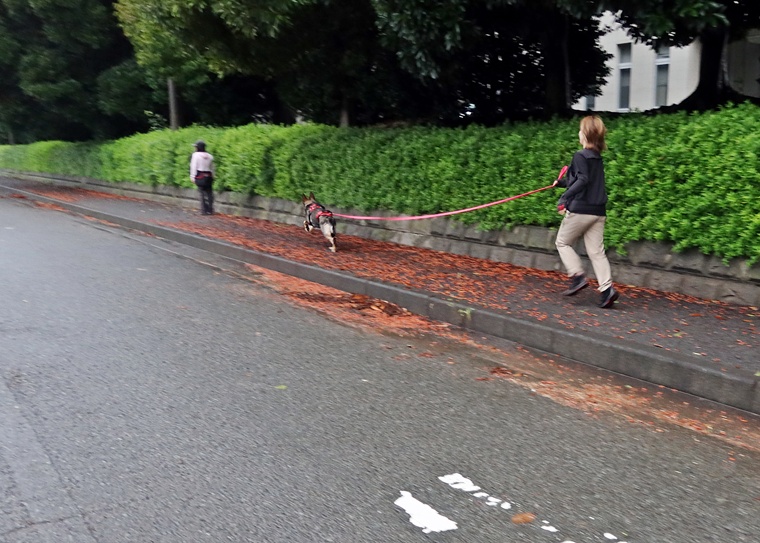
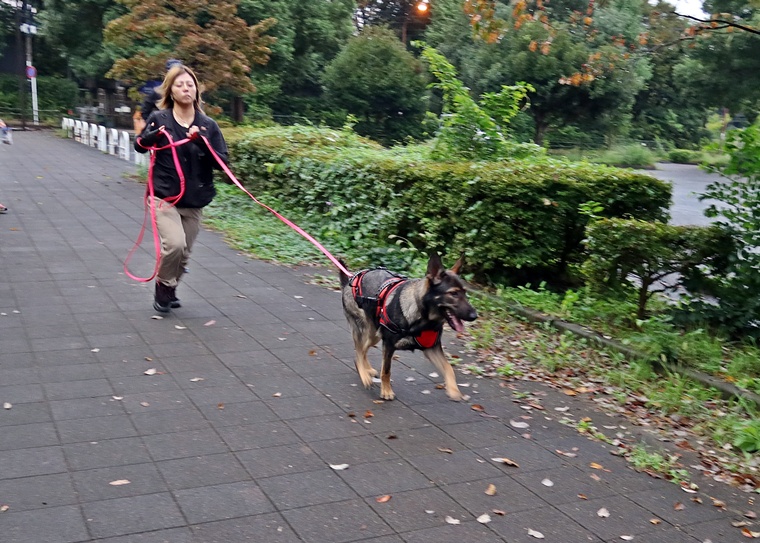
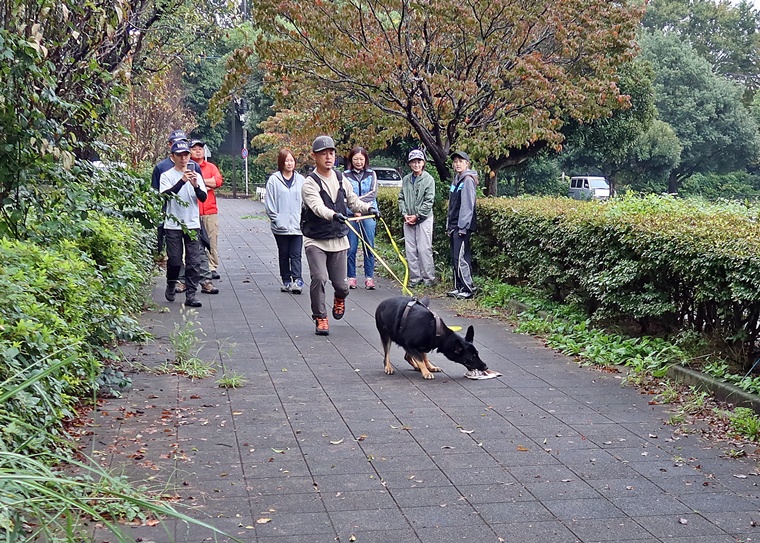
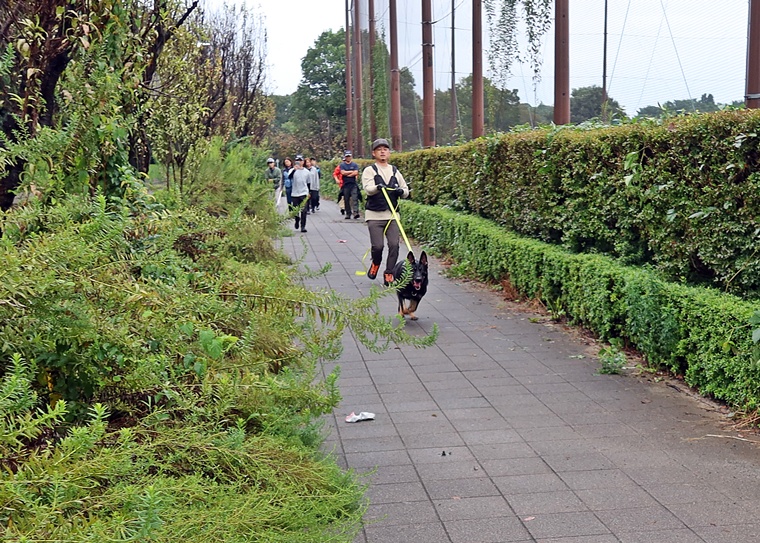
モチベーションランは単にヘルパーを追いかけるだけではなく、今後のTrailingに必要となる捜索への意欲や、人の臭跡を追うという行動の基礎を作る大切なステップです。犬とハンドラー双方の理解が深まってきていますので、現在の良い意欲を維持しながら、今後どのようにTrailingとしてステップアップしていくのか楽しみなUnitです。
Motivation runs are not simply exercises in which the dog follows or chases a helper. They are an important foundational step in developing the motivation to search and establishing the basic concept of following a person’s scent trail, both of which will be essential as the dog progresses in Trailing.
As both the dog and handler continue to develop a better understanding of the purpose of these exercises, this unit is showing positive progress. Moving forward, the focus will be on maintaining the dog’s current strong motivation while gradually building upon this foundation and progressing toward more advanced Trailing work.
セントアーティクルトレーニング
ヘルパーの臭いが付着したScent Article(セントアーティクル)から捜索対象者の臭いを識別し、その臭跡を追って捜索を開始するトレーニングへと進んでいきます。犬がScent Articleから対象臭を認識し、その臭跡を追うという一連の流れをシッカリ理解できるよう、それぞれのUnitの習熟度に合わせながら段階的にステップアップしていきます。
The next stage of training will introduce the use of a scent article carrying the helper’s odor, from which the dog will be expected to identify the target odor and begin searching by following the corresponding scent trail.Training will progress gradually according to the proficiency level of each unit, with the objective of helping the dog develop a clear understanding of the complete sequence: recognizing the target odor from the scent article, acquiring the corresponding scent trail, and following it to locate the target person.
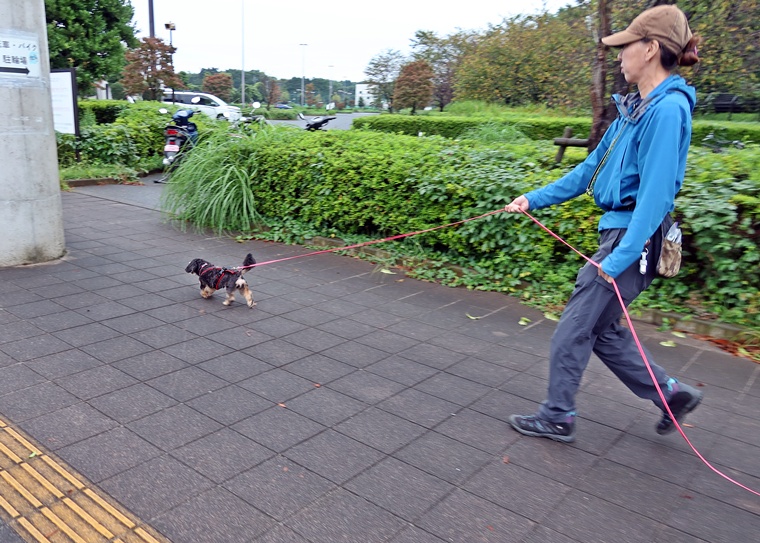
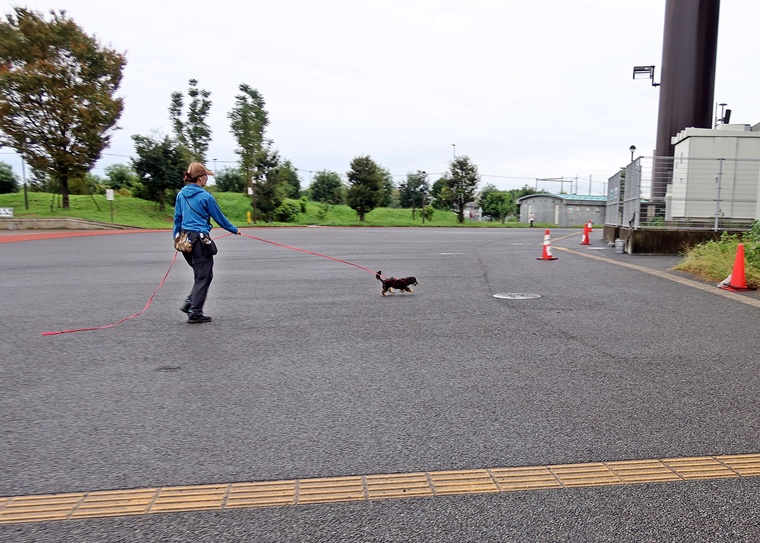
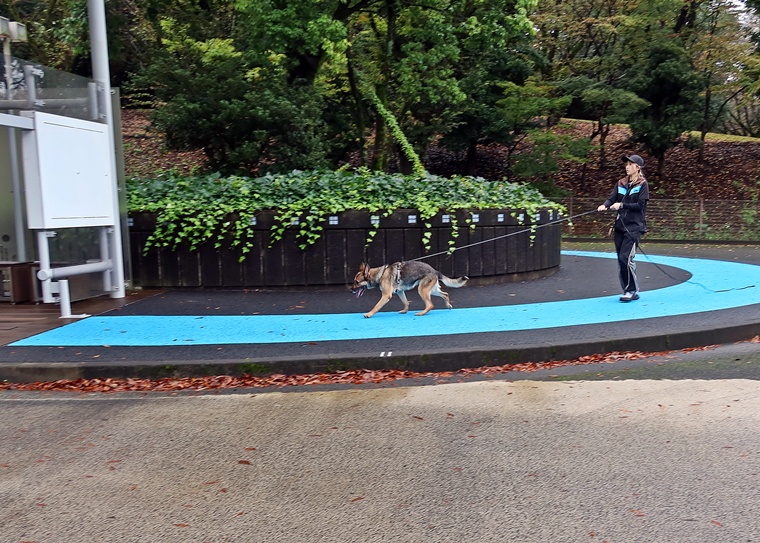
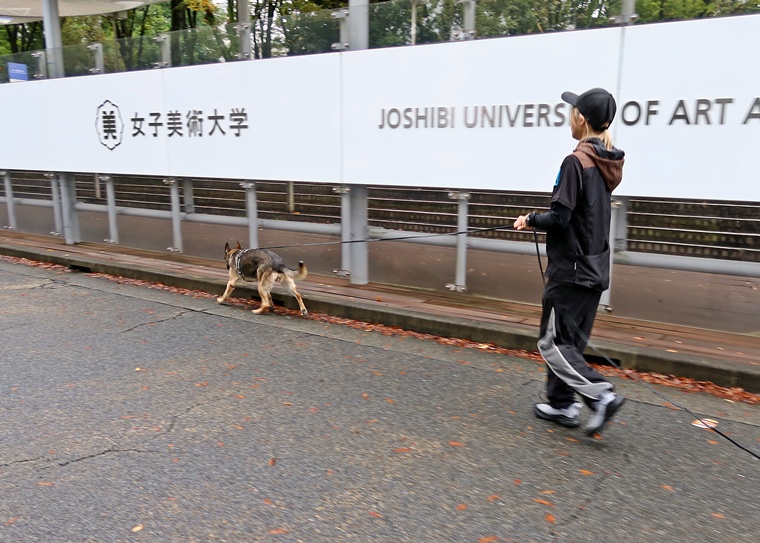
その中で、トレールの距離や経過時間、アスファルトや土などの路面状況、周囲の環境や刺激など、条件を一つずつ変化させながら経験を積み重ねていきます。難易度だけを上げるのではなく、それぞれの条件の中で犬がどのような反応を示すのかをハンドラーが観察し、犬とハンドラー双方の理解を深めながら、より実践的なTrailingへとつなげていきます。
As the training progresses, the teams will gradually gain experience by changing one variable at a time, including trail distance, trail age, surface conditions such as asphalt and soil, as well as the surrounding environment and potential distractions.Rather than simply increasing the overall level of difficulty, the emphasis will be on allowing handlers to carefully observe how their dogs respond under each specific condition. By progressively developing the understanding of both dog and handler, the training will build a stronger foundation for advancement toward more realistic and operationally relevant Trailing scenarios.
ブラインドトレール
アドバンスクラスのunitはブラインドトレールで、課題となっている「犬が示すネガティブ反応をハンドラーが正確に読み取る技術」の向上をテーマに訓練を実施しました。unitによっては、ハンドラーからの情報が多すぎることで、犬が自発的に示している情報を読み取れなくなっている」という今回の課題が伝わりやすくなります。
For the more advanced units, blind trails were used to continue working on one of their key training objectives: improving the handlers’ ability to accurately recognize and interpret the dogs’ negative responses.With some units, excessive verbal cues and commands from the handler continue to interfere with the dog’s natural search behavior, making it difficult for the handler to accurately recognize and interpret the dog’s genuine responses. This remains an important area for improvement, as unnecessary handler input can make it more difficult to distinguish the information the dog is independently providing during the search.
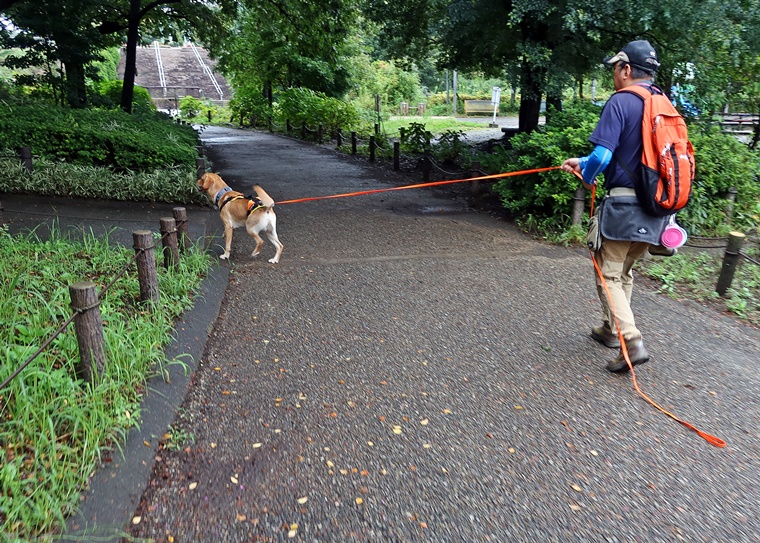
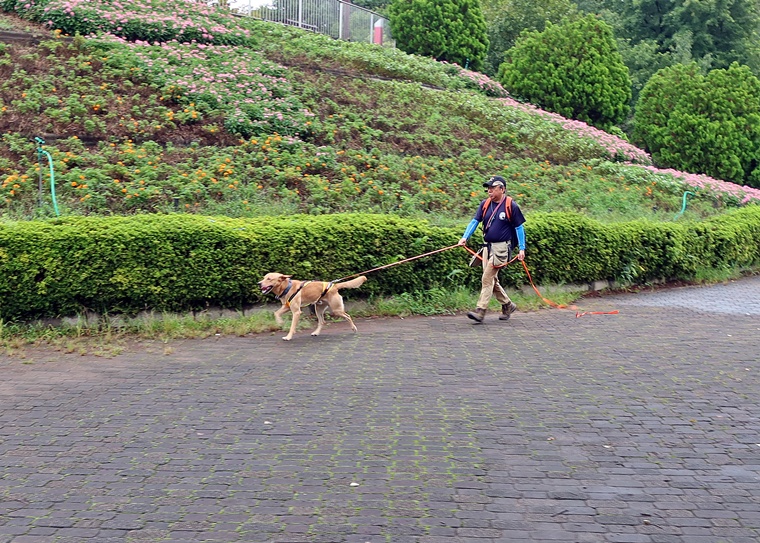
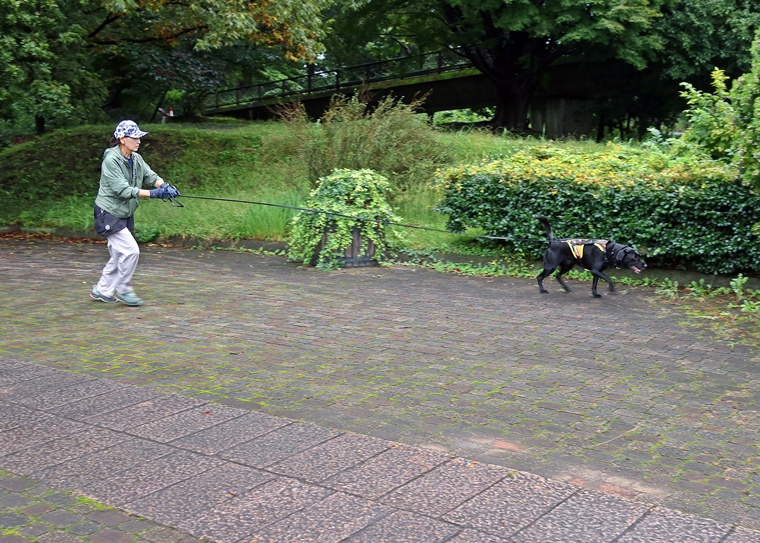
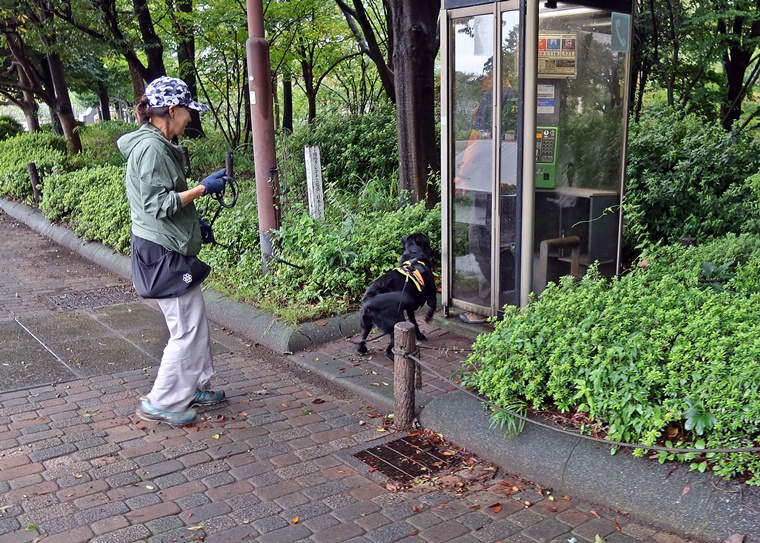
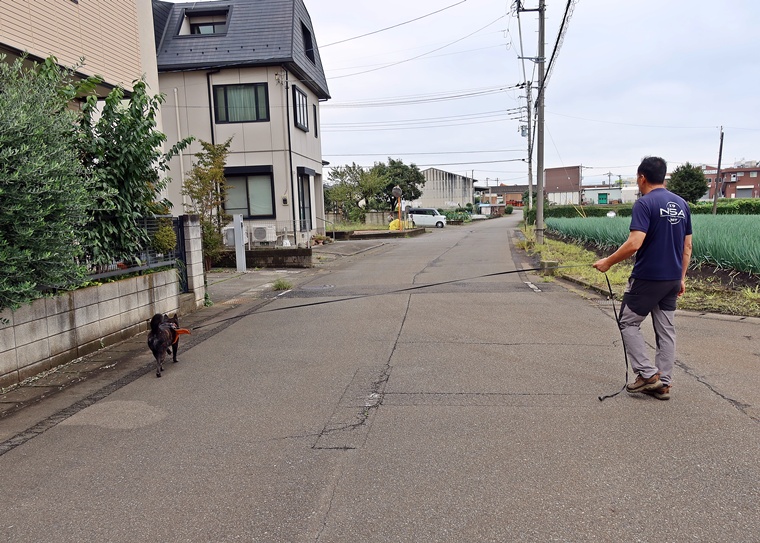
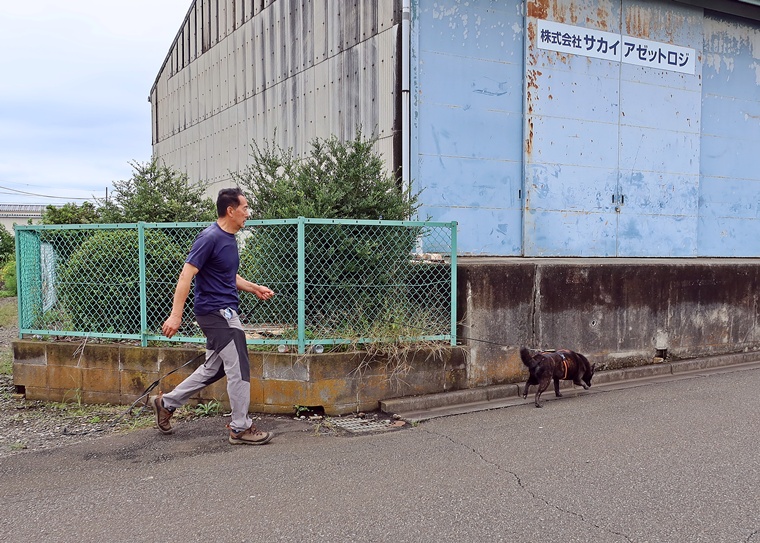
捜索中に犬が示すネガティブ反応は、「臭跡が存在しない」「臭跡を見失った」「進行方向が異なる」といった重要な情報をハンドラーへ伝えるサインです。その反応を正確に読み取り、適切な判断とハンドリングにつなげることは、Trailingにおいて非常に重要な技術となります。
臭跡が拡散しやすく、臭気が複雑に流動する交差点などでは、Unitの習熟度に応じた課題設定を行い、犬の行動変化を根拠として進行方向を判断する実践的なトレーニングを行いました。犬の反応を信頼しながら実際に対象者が歩いた線上だけを追うのではなく、環境によって移動・拡散した臭気を犬が捉えることで、精度の高い捜索活動につながる内容となりました。
これまでのTrailingセクションとの用語統一を保ちつつ、特に「ラインではなく、流動する臭気の幅を読む」という意図が伝わるようにすると、以下が自然です。
Rather than expecting the scent to remain on a narrow or fixed trail line, handlers were encouraged to trust the dog’s responses and calmly assess the broader area in which scent may have shifted or dispersed. Developing the ability to understand this wider scent picture and adapt handling accordingly is an important step toward more accurate and effective Trailing operations.
The negative responses displayed by a dog during a search provide the handler with critical information, such as indicating that the scent trail is not present, the dog has lost the trail, or the current direction of travel is incorrect. Accurately recognizing and interpreting these responses, and translating that information into appropriate decision-making and handling, is an essential skill in Trailing.
At intersections and other locations where scent may disperse and odor movement becomes more complex, training scenarios were tailored to the proficiency level of each unit. Handlers were required to determine the appropriate direction of travel based on changes in the dog’s behavior and the information the dog provided during the search.
Disaster
Disaster部門では、資材置き場という実際の捜索現場を想定できる環境を活用し、それぞれのUnitのレベルや現在の課題に応じた基礎トレーニングを実施しました。
初歩段階のUnitについては、ヘルパーを発見した際のバークアラートの強化をはじめ、遮蔽された空間にいるヘルパーに対するバークアラート、ヘルパーへの執着と捜索意欲の向上、限定されたエリアでの初歩的な捜索など、それぞれに必要な課題に取り組みました。
特に、ヘルパーを直接視認できない状況でも臭いを捉えて位置を特定し、確実なバークアラートへ移行することや、ヘルパーへの高い意欲を実際の捜索行動へつなげていくことを意識しながら、段階的にトレーニングを進めました。
また、10月に予定されているREDOG_MRTプレ試験に向けて、現在のUnitとしての能力についても確認を行いました。犬の捜索能力やバークアラートだけではなく、ハンドラーの観察・判断やハンドリング、犬との連携なども含め、現在できていることと今後強化すべき課題を確認する機会となりました。
In the Disaster Search training, we utilized a material storage site that provided an environment suitable for simulating realistic search conditions. Foundational exercises were tailored to the proficiency level and current training objectives of each unit.
For the units in the early stages of training, exercises focused on their individual development needs, including strengthening the bark alert upon locating the helper, developing a reliable bark alert when the helper was concealed and not directly visible, increasing motivation and persistence toward the helper, and introducing basic search exercises within a defined search area.
Particular emphasis was placed on helping the dogs locate a concealed helper by working the available scent even when there was no direct visual access, and then transition confidently into a clear and reliable bark alert. Training also focused on channeling the dogs’ strong motivation toward the helper into purposeful and independent search behavior, with each exercise progressing gradually according to the development of the individual unit.
In preparation for the REDOG MRT pre-test scheduled for October, we also used the training session to assess the current capabilities of each unit. The evaluation considered not only the dogs’ search performance and bark alerts, but also the handlers’ observation and decision-making skills, handling, and coordination with their dogs. This provided an opportunity to identify both the skills that are currently developing reliably and the areas that will require further strengthening before the pre-test.
バークアラートとランナウェイ
ヘルパーを捜索することへの意欲や、発見後のヘルパーへの執着が不安定なUnitについては、それぞれの課題に応じた基礎トレーニングを行いました。ヘルパーを発見してもバークアラートまで確実に移行できなかったり、告知の途中でヘルパーから離脱してしまったりする場面については、単にバークアラートだけを求めるのではなく、まずはヘルパーそのものへの価値を高め、発見後も意識を維持できるように取り組みました。
For units showing inconsistent motivation to search for the helper or difficulty maintaining engagement with the helper after the find, foundational exercises were tailored to their individual training needs.
In cases where the dog located the helper but did not reliably transition into the bark alert, or disengaged from the helper during the indication, the training focused on more than simply requiring the dog to bark. Priority was placed on increasing the value of the helper as a reward and maintaining the dog’s engagement and focus after the find, creating a stronger foundation for a clear and sustained bark alert.
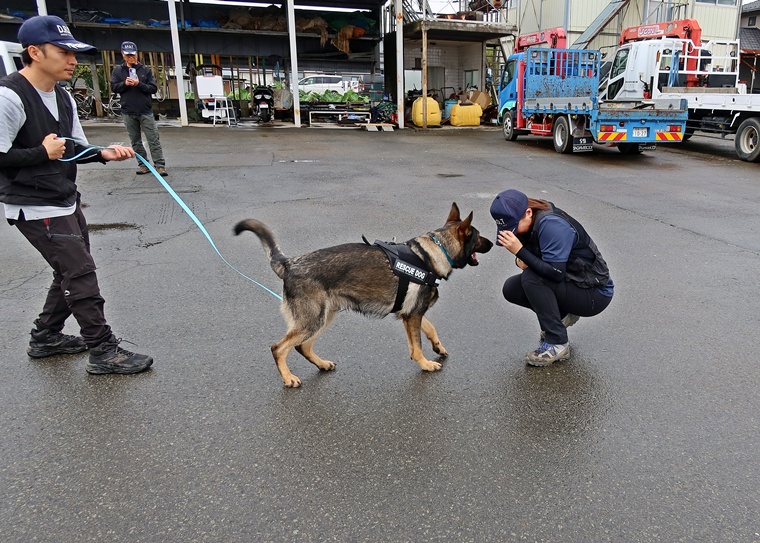
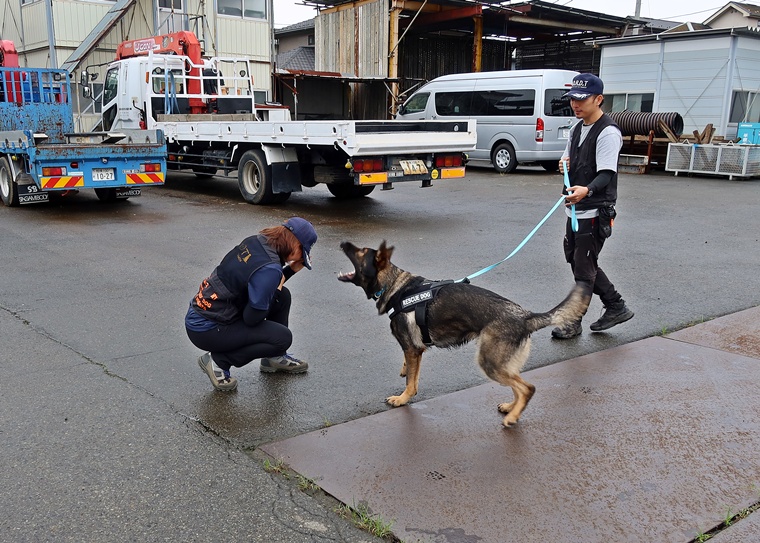
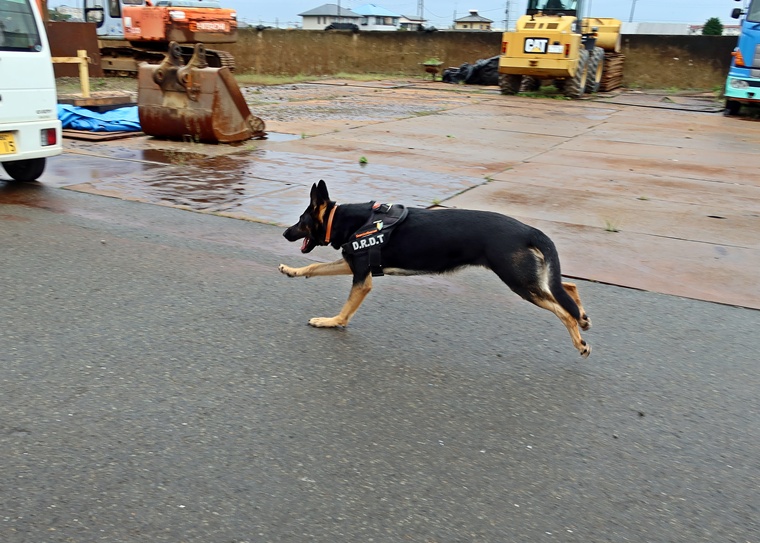
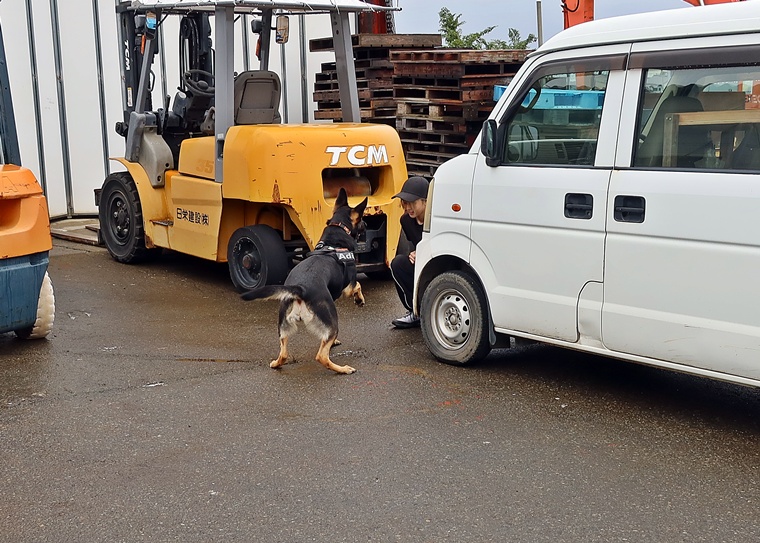
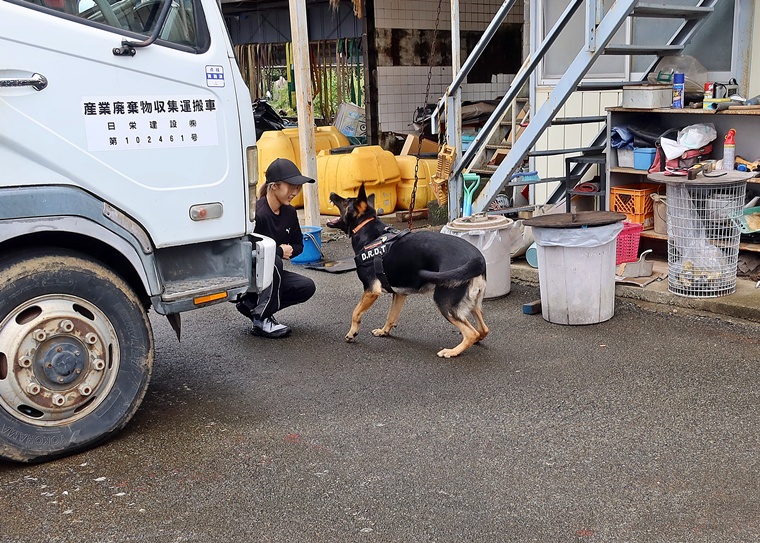
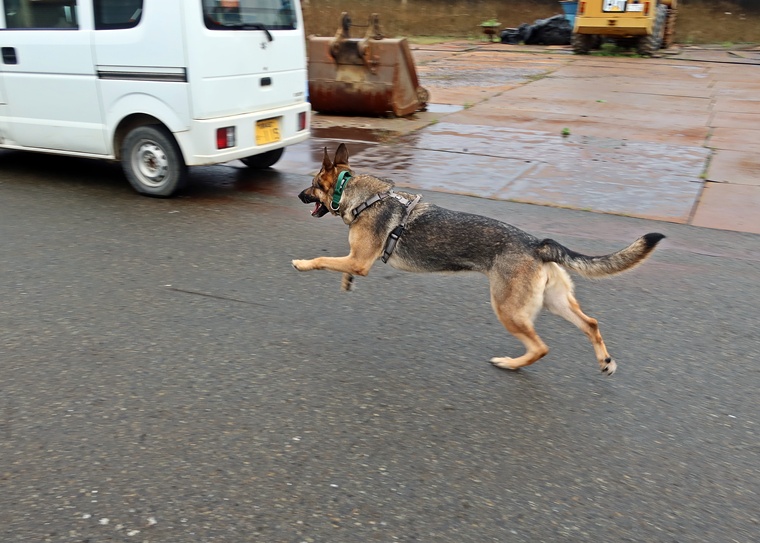
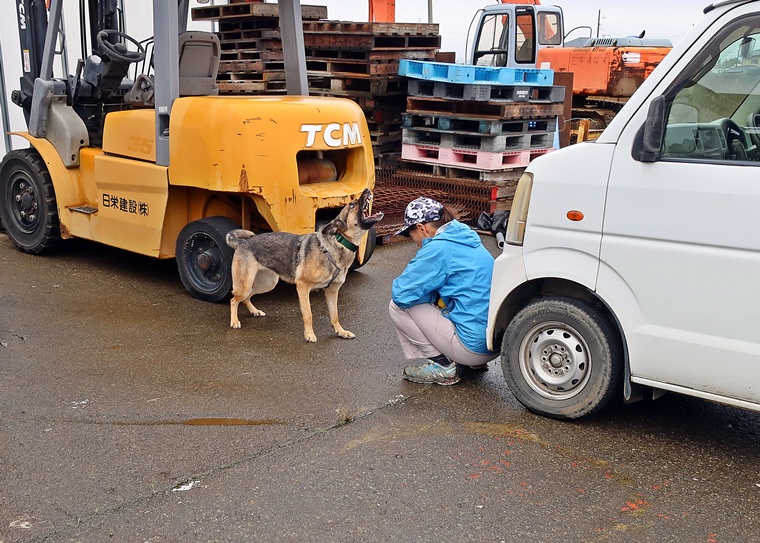
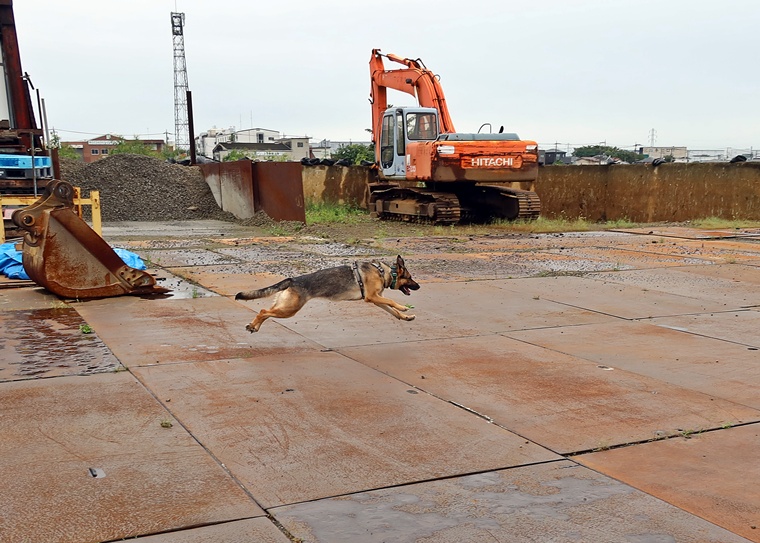
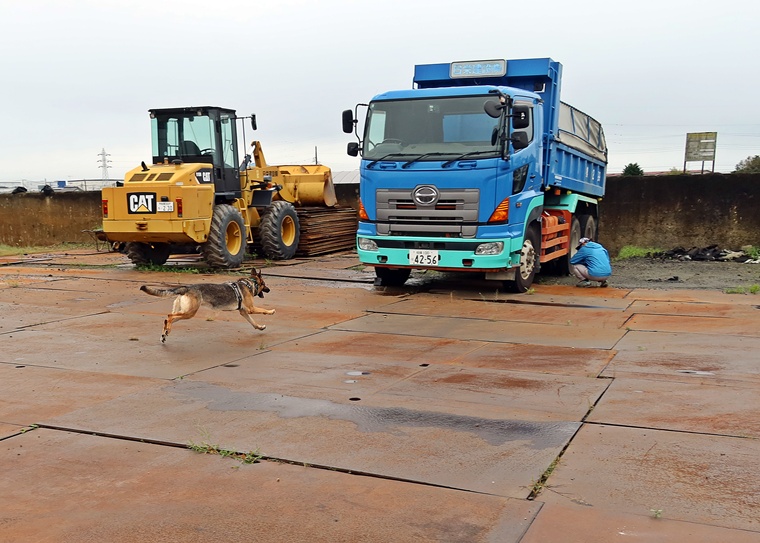
また、初歩段階のUnitについては、ランナウェイを基本として、ヘルパーを捜すことへの意欲を引き出しながら、「捜索する→ヘルパーを発見する→告知する」という一連の流れにつながる基礎トレーニングを行いました。
それぞれのUnitの現在の理解度や意欲に合わせ、必要な部分を細かく確認しながら、確実な捜索と安定したバークアラートにつなげていきます。
For the units in the early stages of training, runaway exercises were used as the foundation to build motivation to search for the helper while developing the complete behavioral sequence of searching, locating the helper, and delivering the indication.
Training was tailored to the current level of understanding and motivation of each unit, with each component of the search process carefully evaluated and reinforced as needed. Through this progressive approach, we will continue to build toward reliable search performance and a clear, consistent bark alert.
限定エリアでの捜索
ヘルパーに対する意欲や執着が安定しているUnitについては、現在の能力に合わせ、無理のない範囲でエリア捜索のトレーニングを行いました。捜索中にセントコーンを捉えた際の反応や、その臭気を追ってヘルパーへ到達するまでの一連の動きを確認するとともに、ヘルパー発見後に確実にバークアラートへ移行できるかについても確認しました。
For units that had developed consistent motivation and sustained engagement with the helper, area search exercises were introduced at an appropriate level of difficulty based on their current capabilities.
During these exercises, we evaluated the dogs’ behavioral responses when they encountered the scent cone, as well as the complete sequence of independently working the odor to its source and locating the helper. We also assessed whether the dogs could reliably transition into a clear and sustained bark alert after the find.
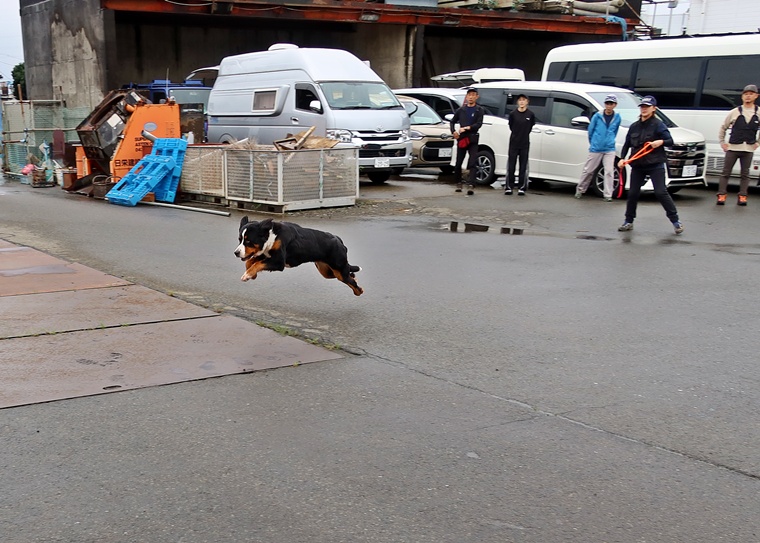
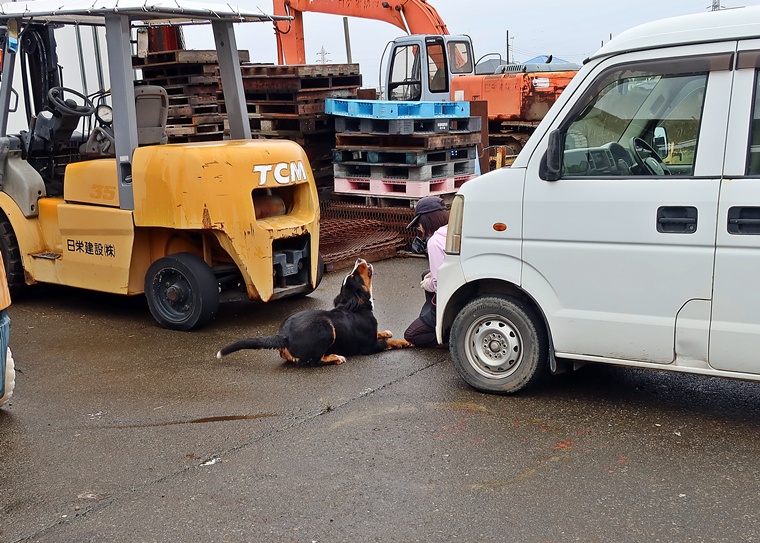
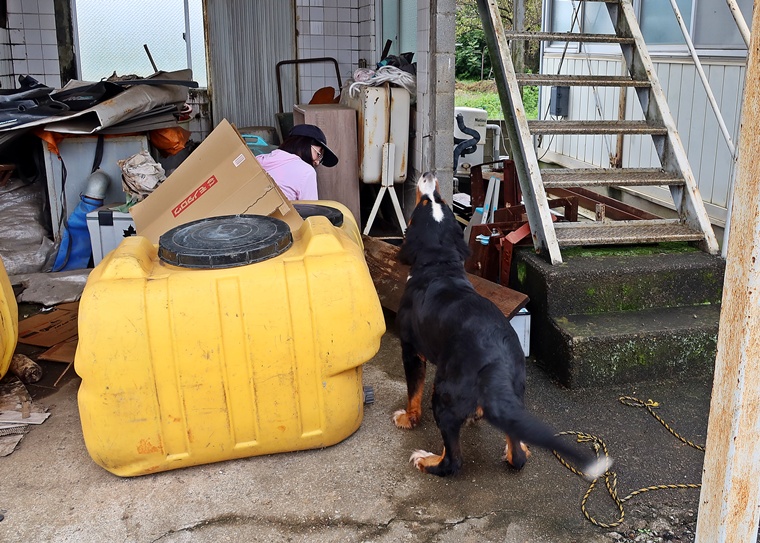
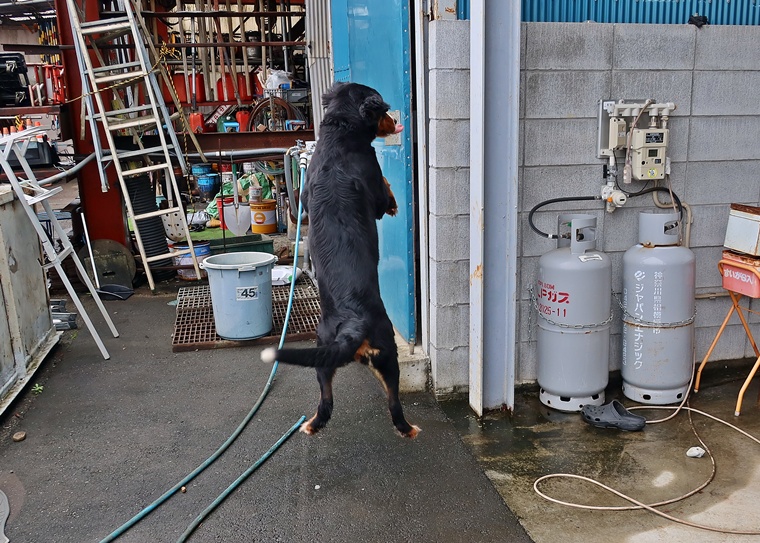
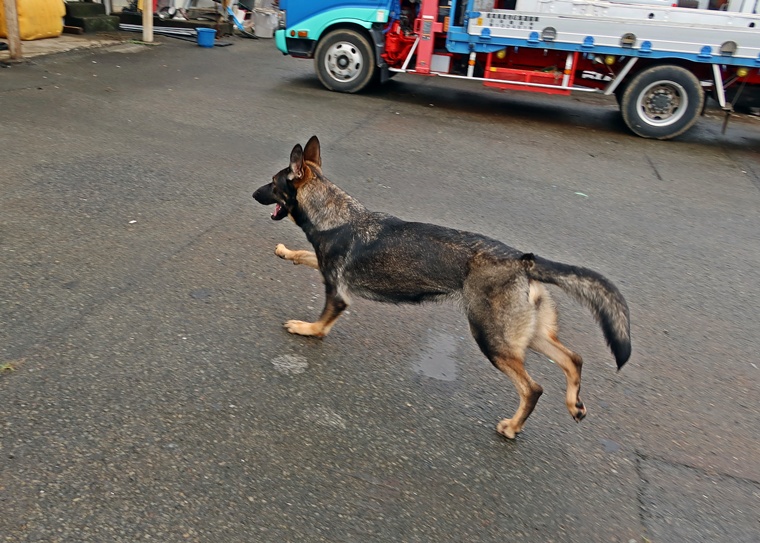
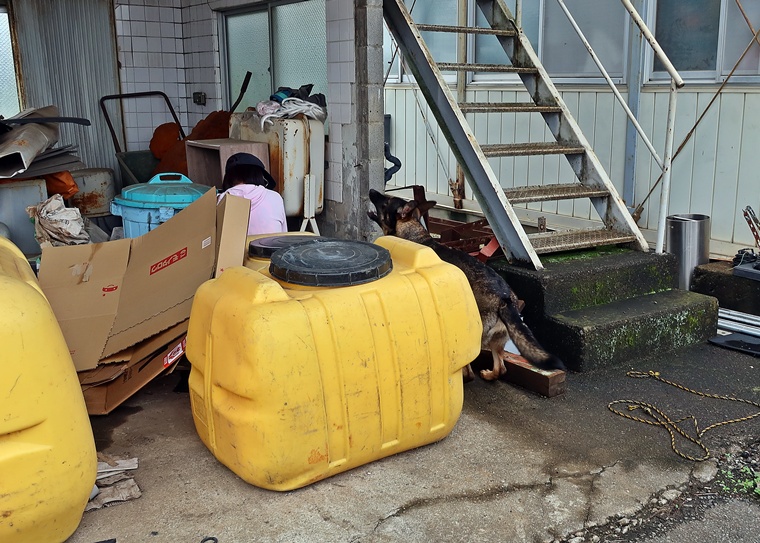
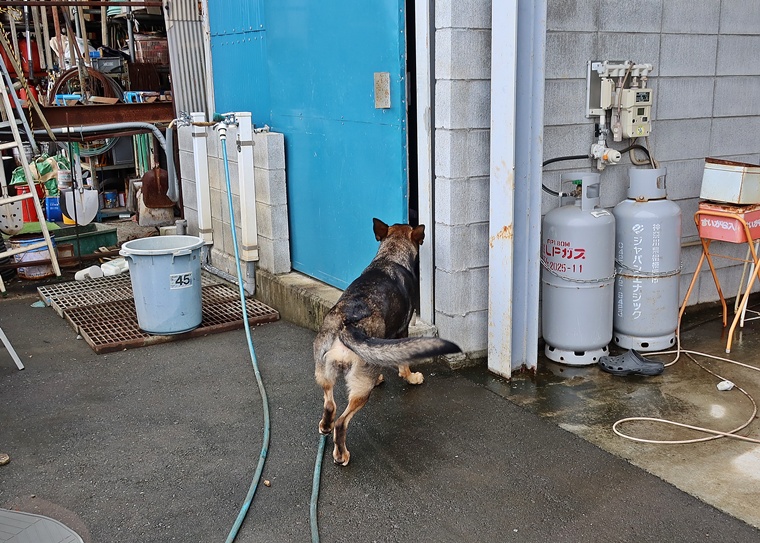
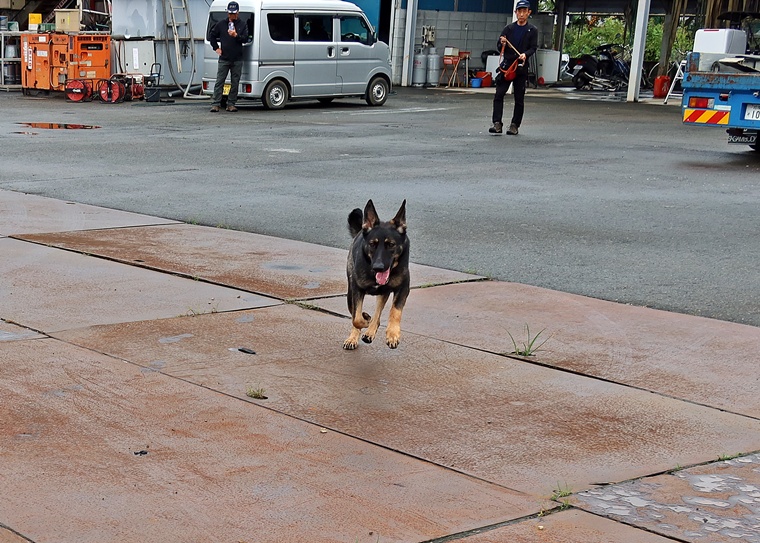
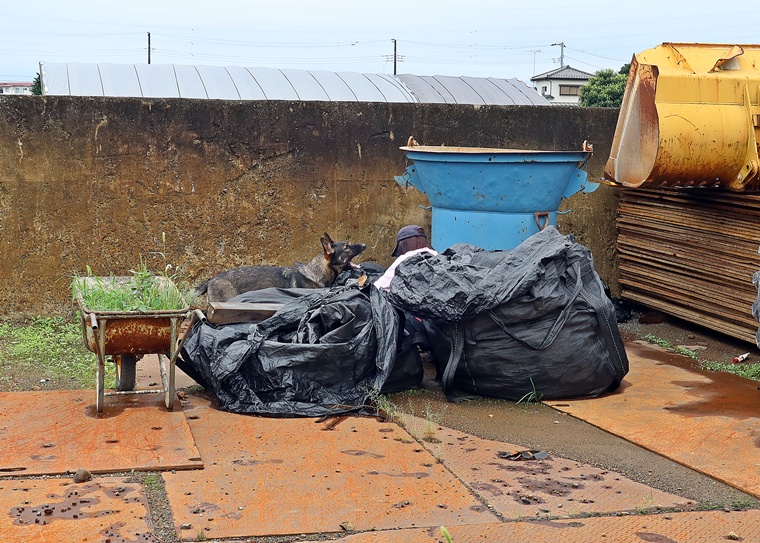
また、ヘルパーを直接視認できない遮蔽空間についても設定し、臭気からヘルパーの位置を特定し、対象を視認できない状況でも安定したバークアラートを継続できるよう強化トレーニングを行いました。単に捜索エリアを広げることを目的とするのではなく、セントコーンへの反応からヘルパーの特定、そして確実なバークアラートまでの一連の流れを確認しながら、それぞれのUnitのレベルに応じて実践的な捜索能力を高めていきます。
Training scenarios also included concealed spaces where the helper was not directly visible. These exercises focused on strengthening the dogs’ ability to locate the helper by working the available scent and to maintain a clear and sustained bark alert even when they could not visually confirm the person.
Rather than simply increasing the size of the search area, the training emphasized the complete search sequence—from recognizing and responding to the scent cone, to working the odor to its source and locating the helper, and finally delivering a reliable bark alert. By progressively developing each component according to the proficiency level of each unit, we will continue to build the practical search capabilities required for more realistic Disaster Search scenarios.
アドバンスクラスの捜索
10月に開催されるREDOG MRTプレ試験に参加予定の2頭のUnitについては、資材置き場内に2名の要救助者を配置し、制限時間20分の捜索を設定することで、現時点でのUnitとしての能力を確認しました。今回の確認で重点を置いたのは、サーチドッグそのものの捜索能力というよりも、ハンドラーのスキルです。犬の安全管理と犬が捜索中に示す様々な反応を適切に観察し、その情報を基に状況を判断しながらハンドリングを行い、最終的に要救助者の位置を特定できるかどうかを目的としてトレーニングを行いました。
For the two units scheduled to participate in the REDOG MRT pre-test in October, two victims were positioned within the material storage site, and the teams were given a 20-minute search scenario to assess their current capabilities as operational units.
The primary focus of this exercise was not simply on evaluating the search capabilities of the dogs themselves, but rather on assessing the handlers’ overall skills and decision-making throughout the search. Particular emphasis was placed on maintaining the dog’s safety while carefully observing and interpreting the various behavioral responses displayed during the search.
Handlers were required to use the information provided by their dogs to assess the developing search situation, make appropriate decisions, and adapt their handling accordingly. The objective was to evaluate whether each handler could manage the dog’s safety, accurately interpret the dog’s behavior, and make effective tactical decisions throughout the search, ultimately enabling the unit to successfully locate the victims.
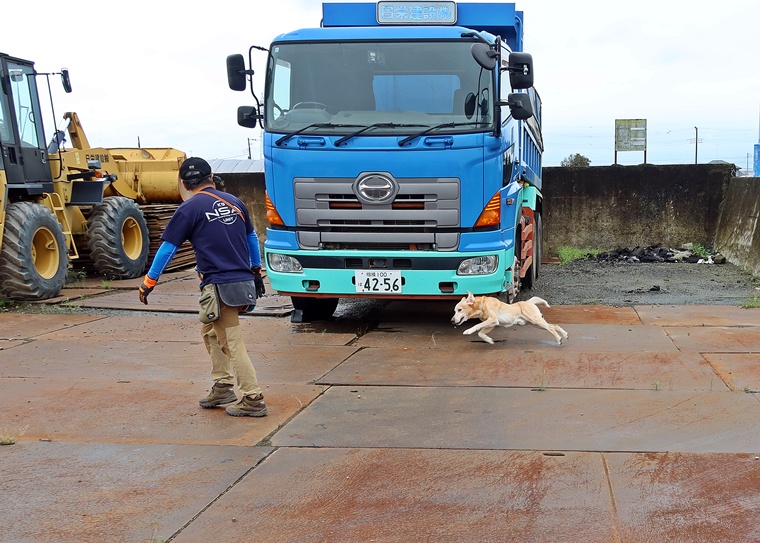
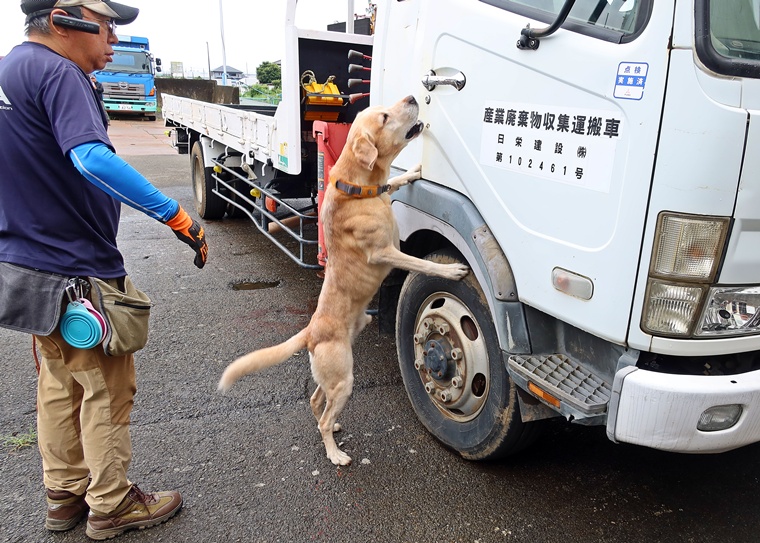
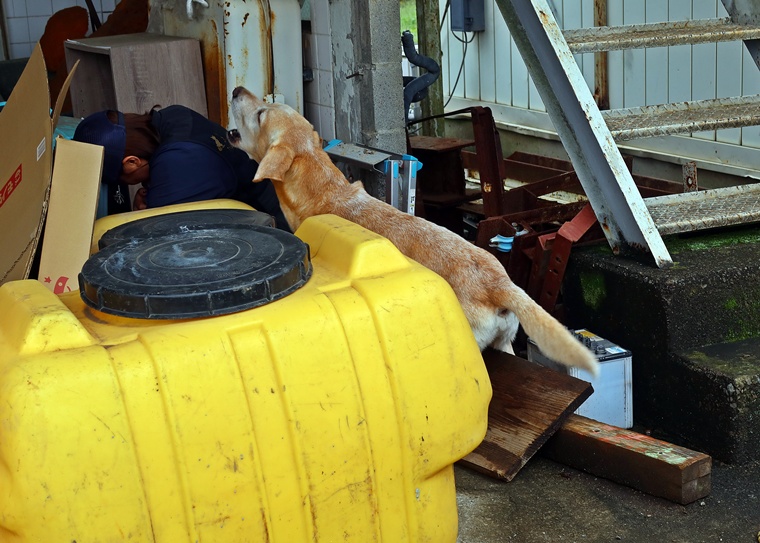
実際の捜索では、犬に対する必要以上の声掛けがプレッシャーとなり、本来の犬の判断や捜索を妨げたり、誤告知につながったりする場面も見られました。また、犬が示している反応を十分に観察する前にハンドラーが介入することで、適切なハンドリングにつなげられていないなど、現在の課題についても把握することができました。
During the search exercises, there were instances where excessive verbal input from the handler placed unnecessary pressure on the dog, interfering with the dog’s independent decision-making and natural search behavior and, in some cases, contributing to false indications.
We also identified situations in which the handler intervened before allowing sufficient time to observe and interpret the dog’s behavioral responses. As a result, valuable information provided by the dog was sometimes missed or not fully understood, making it more difficult for the handler to make appropriate decisions and adjust their handling accordingly.
These exercises provided an important opportunity to identify the current areas for improvement, particularly the need for handlers to observe first, allow the dog to work independently, and intervene only when necessary, while continuing to maintain appropriate safety management throughout the search.
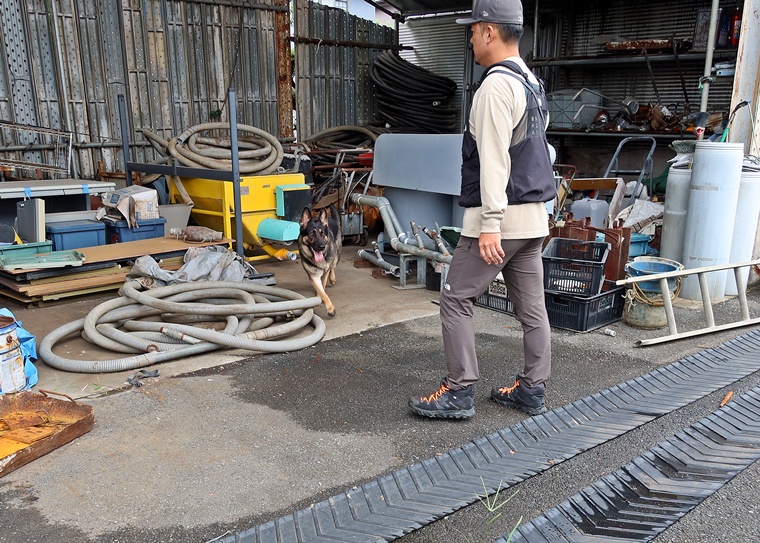
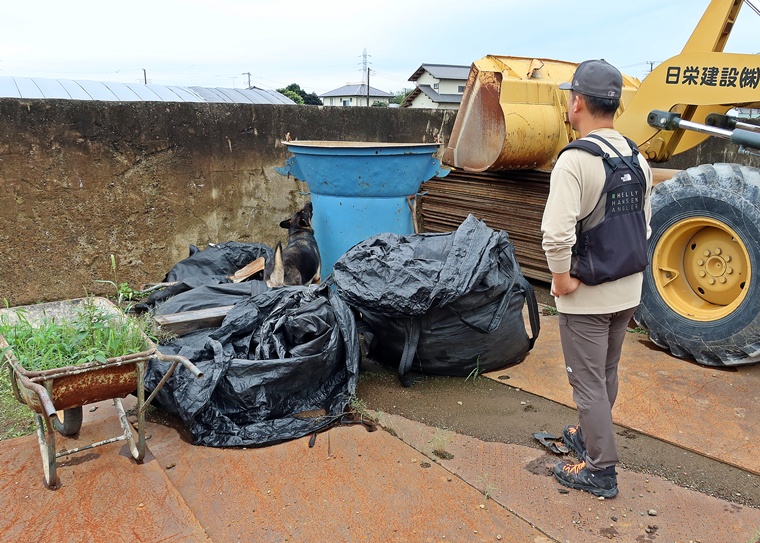
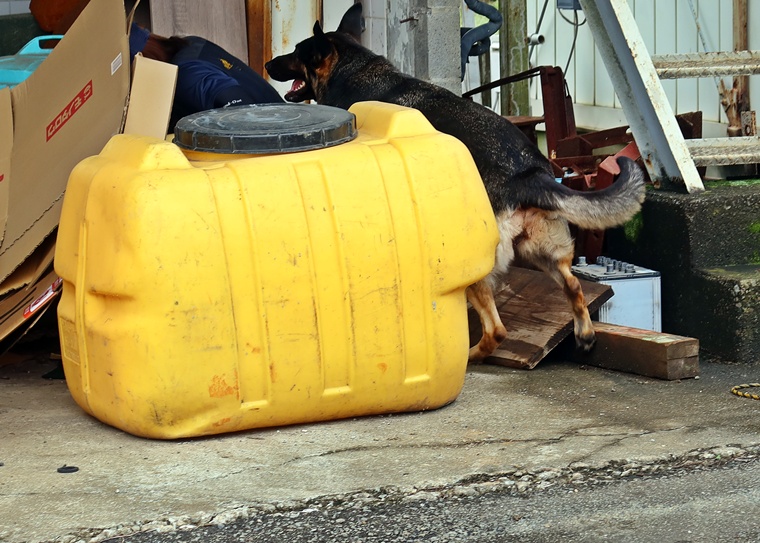
サーチドッグが高い捜索能力を持っていても、その能力を実働の中で最大限に活かすためには、ハンドラーが犬の反応を正確に読み取り、必要な場面ではサポートしながらも、犬自身に判断させるべき場面では過度に介入しないことが重要になります。
あくまでも私たちが育成しているのは、試験をクリアすることだけを目的としたUnitではなく、実際の捜索現場で活動できるUnitです。今回確認できた課題をREDOG MRTプレ試験への準備だけで終わらせることなく、今後の実働を見据え、犬の捜索能力とハンドラーの観察・判断・ハンドリングスキルの両方を高められるよう、トレーニングの進め方を工夫していきたいと思います。
Even when a search dog possesses strong search capabilities, maximizing those abilities under operational conditions depends heavily on the handler. The handler must be able to accurately recognize and interpret the dog’s responses, provide appropriate support when necessary, and, equally importantly, avoid unnecessary intervention when the dog should be allowed to work independently and make its own decisions.
Our objective is not simply to develop units capable of passing a test, but to develop units that can perform effectively in real-world search operations. The challenges identified during this training will therefore not be addressed solely as preparation for the REDOG MRT pre-test.
Looking beyond the pre-test toward future operational deployment, we will continue to refine our training approach so that both sides of the unit can develop together: the dog’s search capabilities and the handler’s observation, decision-making, and handling skills. Through this process, our goal is to build units capable of working safely, independently, and effectively under the complex conditions encountered in real search operations.
HRD
HRDでは、事前に捜索エリア内へソースを設定し、実際の捜索活動を想定したエリアサーチを実施しました。捜索では、単に犬がソースを発見することだけを目的とするのではなく、犬が臭気を捉えた際に示すわずかな行動変化や、セントコーン、セントプールに対する反応をハンドラーがどのように観察し、判断につなげるかを重視しました。
In the HRD (Human Remains Detection) training, training aids were placed within the search area in advance, and the teams conducted area search exercises designed to simulate real-world operational search conditions.
The objective was not simply for the dogs to locate the training aids. Particular emphasis was placed on the handlers’ ability to recognize and interpret the subtle behavioral changes displayed when their dogs encountered target odor, as well as their responses when working within scent cones and scent pools. Handlers were encouraged to use these observations as information for assessing the developing search situation and making appropriate decisions throughout the search.
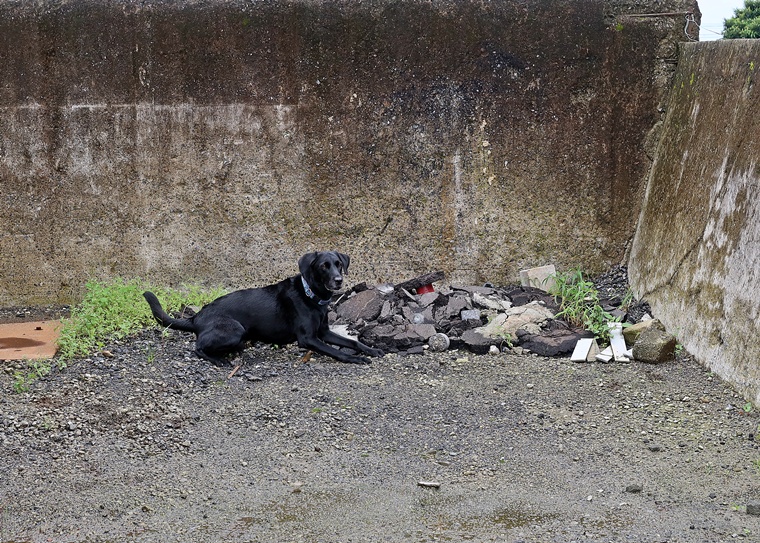
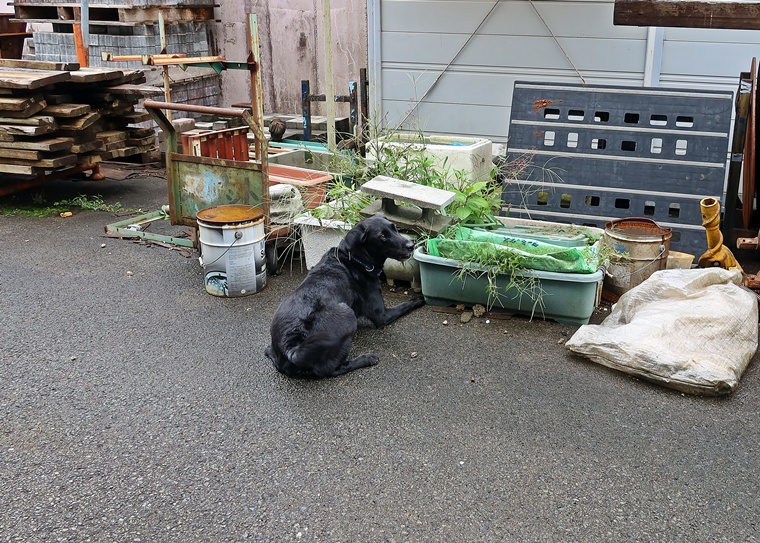
犬の優れた嗅覚と捜索能力を最大限に活かすためには、ハンドラーが犬の小さな反応を見逃さず、その情報を正確に読み取りながら、必要以上に介入することなく適切にハンドリングする能力が不可欠です。今回のトレーニングは、犬の作業能力を高めるだけではなく、ハンドラー自身の観察力、判断力、ハンドリングスキルの向上にも重点を置いた実践的な内容となりました。
To make full use of a dog’s exceptional olfactory and search capabilities, it is essential for the handler to recognize even the subtle changes in the dog’s behavior, accurately interpret the information the dog is providing, and apply appropriate handling without unnecessary intervention.
This training session focused not only on improving the dogs’ search performance, but also on further developing the handlers’ observation, decision-making, and handling skills. The exercises provided practical opportunities for handlers to learn when to support their dogs and, equally importantly, when to allow them to work independently.
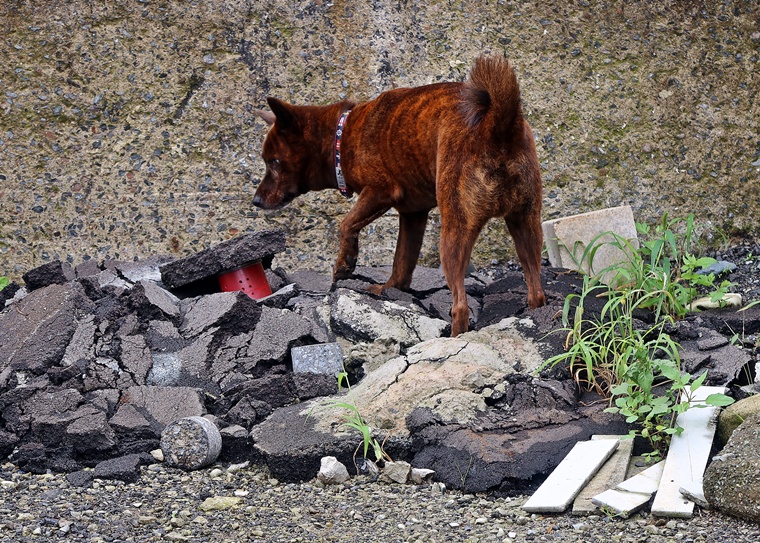
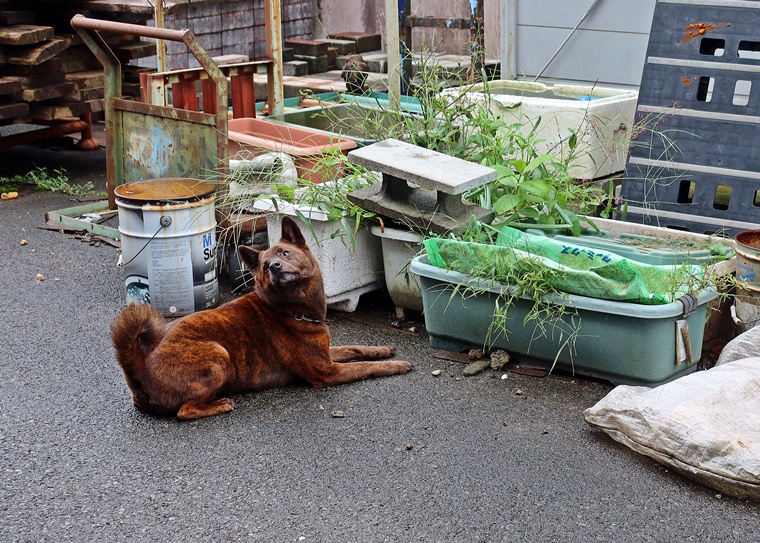
また、ソースへのアプローチからTFRへ移行するまでの一連の動きを確認し、それぞれのUnitが現在どの段階にあるのか、今後どの部分を強化していく必要があるのかについても確認することができました。
We also reviewed the complete behavioral sequence from the dog’s approach to the target odor source through the transition into the Trained Final Response (TFR). This allowed us to assess the current stage of development of each unit and identify the specific components that will require further strengthening as training progresses.
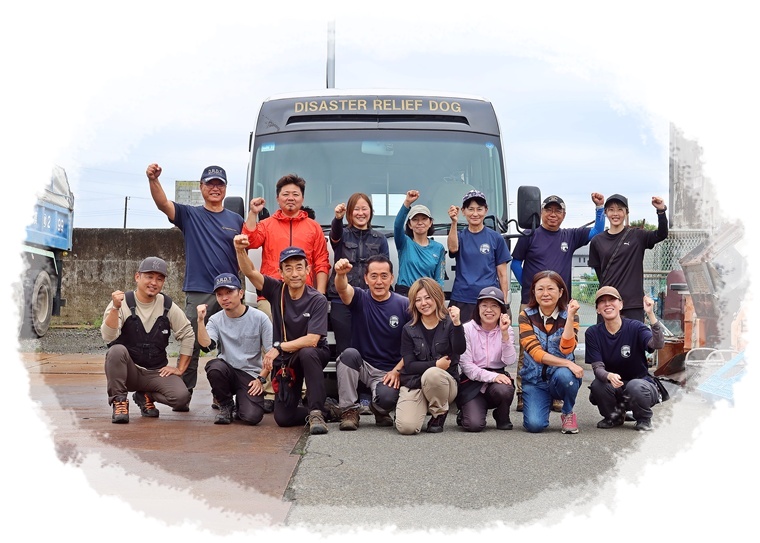
NSAでは今後も、各Unitの習熟度や課題に応じた段階的なトレーニングを継続し、実働現場で求められる犬の高い捜索能力、ハンドラーの的確な観察と判断、そして安全かつ確実に活動できるUnitとしての総合的な能力向上を目指して、継続的な訓練に取り組んでまいります。
NSA will continue to implement progressive training tailored to the proficiency level and individual training needs of each unit. Through continued training, we aim to further develop the capabilities required for real-world operational deployment: strong search performance from the dogs, accurate observation and sound decision-making from the handlers, and the overall ability of each unit to operate safely, reliably, and effectively in the field.
NSAの活動は、民間ボランティアによる行方不明者の捜索活動です。
多くの方々からご支援いただくことで、より速く、より多くの行方不明者捜索にサーチドッグを派遣することができます。皆様のご支援をお願いいたします。
NSA’s activities are carried out by civilian volunteers.
With the support of many individuals, we can deploy search dogs more quickly and to a greater number of missing person cases.
We sincerely ask for your continued support.

関連記事
-
 NPO法人 北東北捜索犬チーム Trailig/HRD Workshop_2026.10.04
 -
2026.11.03/NPO法人 北東北捜索犬チーム Trailing/HRD 適性試験
-
2026.10.25/ NSA (Trailig/HRD/Disaster)訓練会(相模原市内)
-
2026.10.11/ NSA (Trailig/HRD/Disaster)訓練会(相模原市内)
-
2026.10.10/REDOG MRT プレ試験
-
2026.10.04/NPO法人 北東北捜索犬チーム Trailing/HRD Workshopー終了しましたー
-
NSA Trailing/Disaster/HRD 訓練会レポート_2026.09.13
-
NSA Trailing/Disaster/HRD 訓練会レポート_2026.08.23