NSA Trailing/Disaster/HRD 訓練会レポート_2026.08.23
NSA Trailing/Disaster/HRD Training
今回も午前5時の時点で気温26℃、湿度70%以上という厳しい環境となりましたが、犬たちへの負担と安全面を考慮し、早朝から市街地を中心としたTrailing訓練を開始しました。Trailingでは、実際の市街地環境を活用し、比較的短い距離での設定を中心にトレーニングを実施しました。今回は、ネガティブの確認と、犬が示す行動変化をハンドラーがどのように観察し、判断するかを一つのテーマとし、それぞれのUnitの進捗に合わせて訓練を行いました。午前7時からは会場をモナの丘へ移動し、Disaster/HRD訓練を実施しました。
それぞれのUnitの習熟度や現在の課題に応じた設定を行い、犬の捜索能力だけでなく、犬が示す反応をハンドラーが正確に読み取り、次の判断につなげることを意識しながら、実働現場を想定した実践的なトレーニングを積み重ねました。
NSAでは、今後も継続的な訓練を通じて、それぞれのUnitの能力向上を図るとともに、実働現場で求められる犬の捜索能力、ハンドラーの観察力・判断力、そして安全かつ確実に活動できるチームとしての総合力を高めていきます。また、日々の訓練や実働活動を発信することで、捜索犬がどのような訓練を行い、遭難者・行方不明者捜索などにおいてどのような役割を担うことができるのか、より多くの方々に知っていただけるよう活動を続けてまいります。
At 5:00 a.m., the temperature had already reached 26°C (79°F), with humidity above 70%. Given these demanding conditions, we began our Trailing training early in the morning, primarily in an urban environment, with careful consideration for the dogs’ safety and physical well-being.
For the Trailing exercises, we made use of actual urban environments and focused mainly on relatively short trails. One of the key objectives of this session was to work on negative indications—recognizing situations where the target person’s trail is not present—and to develop the handlers’ ability to observe and interpret changes in their dogs’ behavior. Training scenarios were adjusted according to the current progress of each K9/handler Unit.
At 7:00 a.m., we moved to Mona no Oka and continued with Disaster Search and HRD (Human Remains Detection) training.
Training scenarios were designed according to the current skill level and specific challenges of each Unit. Our focus was not only on improving the dogs’ search capabilities, but also on developing the handlers’ ability to accurately read their dogs’ responses, interpret the information being communicated, and use that information to make appropriate decisions. Through these exercises, we continued to build practical skills with real-world operational search environments in mind.
Through ongoing training, NSA will continue to develop the capabilities of each Unit while strengthening the overall operational effectiveness of the team—including the dogs’ search capabilities, the handlers’ observational and decision-making skills, and the ability to operate safely and reliably in real-world search operations.
By continuing to share both our regular training and operational search activities, we also hope to increase public understanding of how search dogs are trained and the important roles they can play in wilderness searches, missing-person searches, and other search and rescue operations.
Trailing
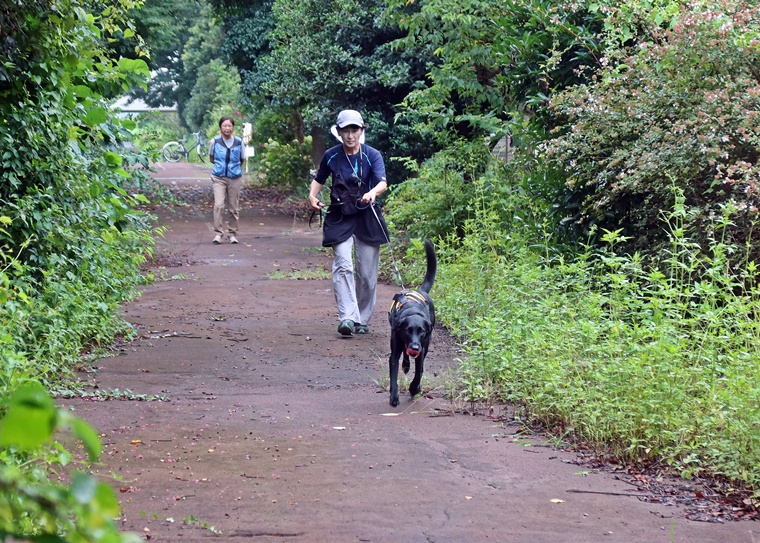
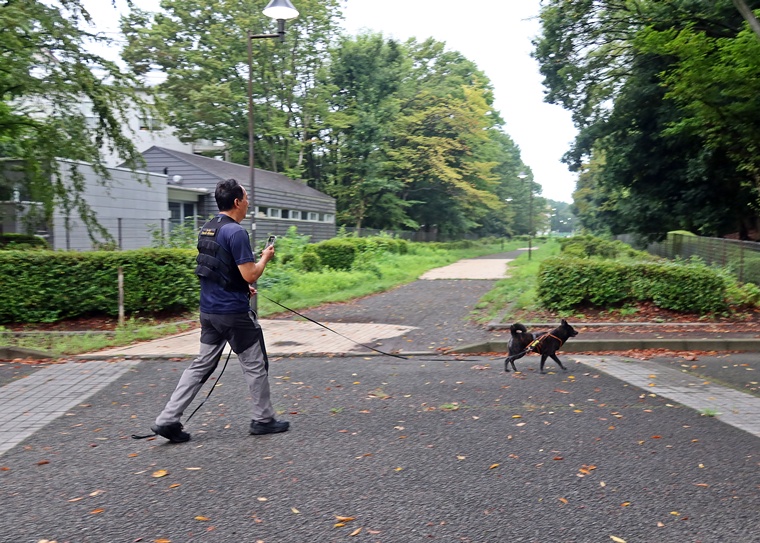
Trailingでは、引き続き「犬が示すネガティブ反応をハンドラーが正確に読み取る技術」の向上をテーマに訓練を実施しました。トレールコースから臭跡がどのように移動し、犬がその臭跡に対してどのような反応を示すのか、また地質や地形などの影響を受けた臭跡を犬がどのように捉えるのかを、それぞれのUnitの動きを通して再確認しました。
During the Trailing session, we continued to focus on improving the handlers’ ability to accurately recognize and interpret the dogs’ negative responses.
Through the performance of each unit, we reviewed how the scent trail may shift or disperse away from the original trail route, how the dogs respond to these changes in scent availability and location, and how they work scent trails that have been influenced by factors such as ground surface, terrain, and surrounding environmental conditions.
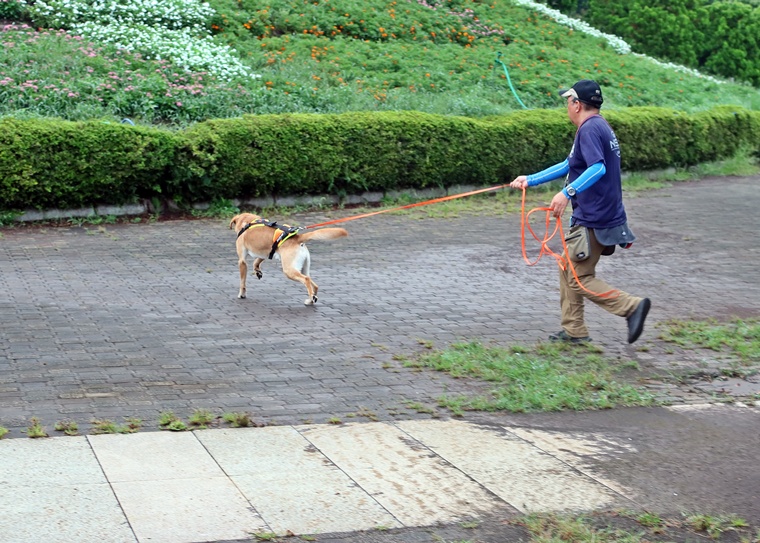
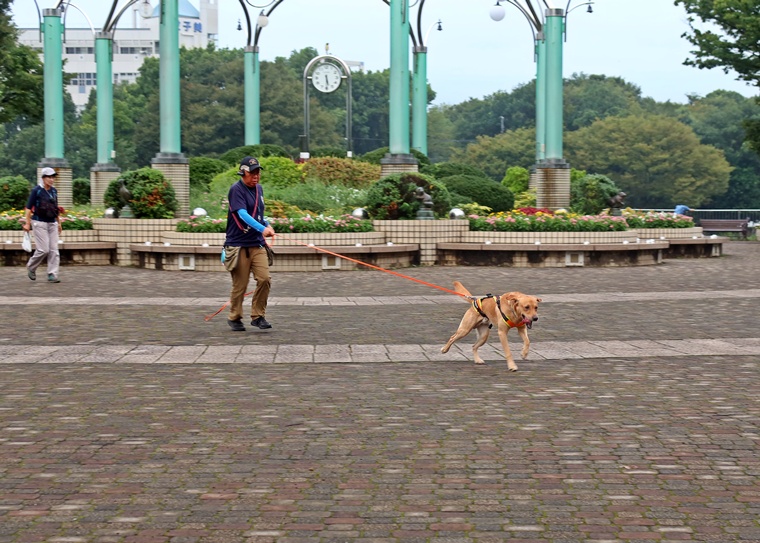
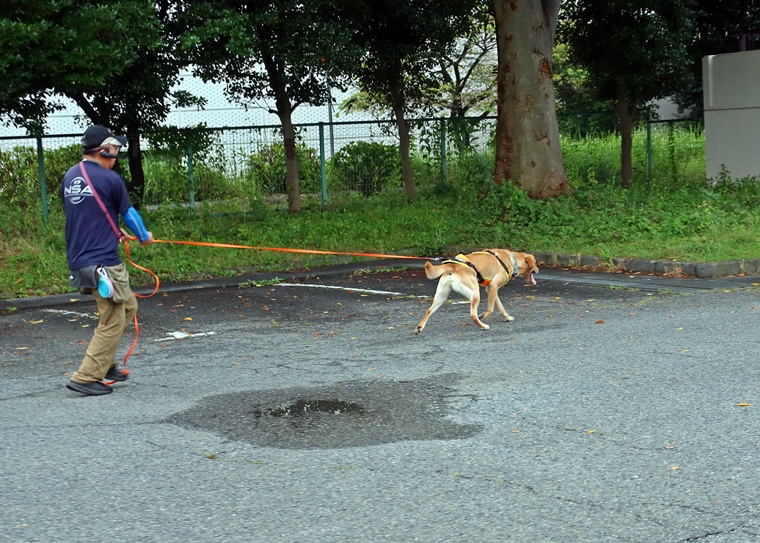
捜索中に犬が示すネガティブ反応は、「臭跡が存在しない」「臭跡を見失った」「進行方向が異なる」といった重要な情報をハンドラーへ伝えるサインです。その反応を正確に読み取り、適切な判断とハンドリングにつなげることは、Trailingにおいて非常に重要な技術となります。
The negative responses displayed by a dog during a search provide the handler with critical information, such as indicating that the scent trail is not present, the dog has lost the trail, or the current direction of travel is incorrect. Accurately recognizing and interpreting these responses, and translating that information into appropriate decision-making and handling, is an essential skill in Trailing.
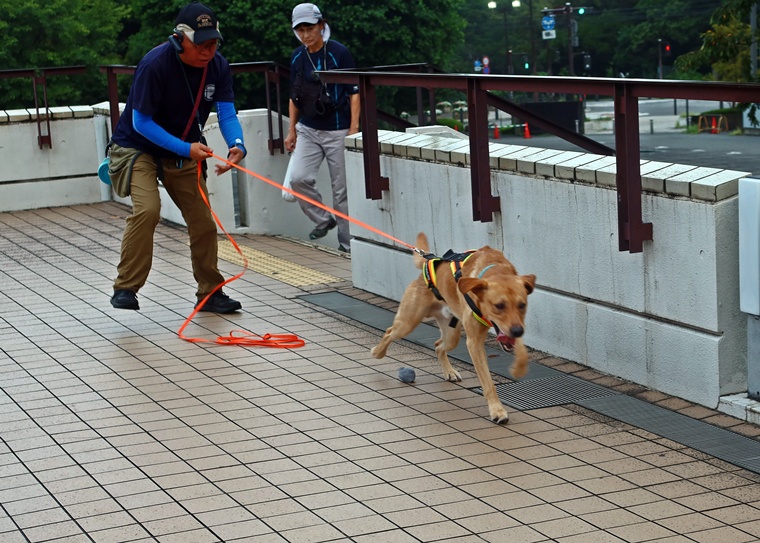
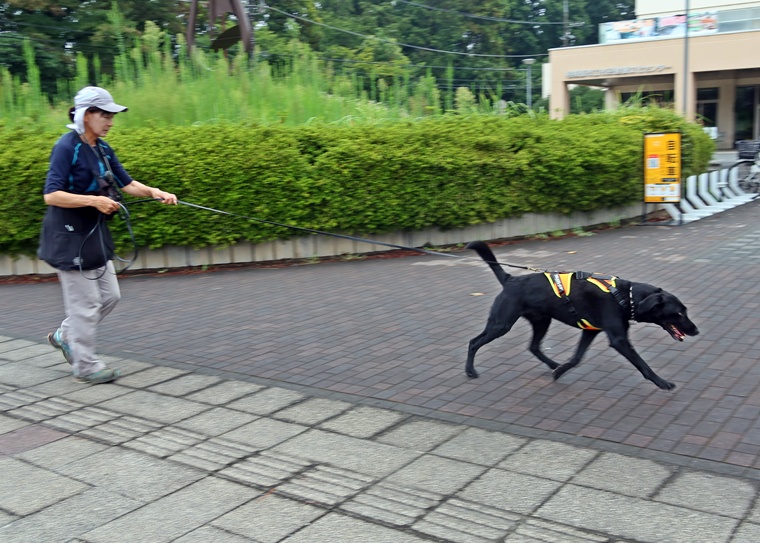
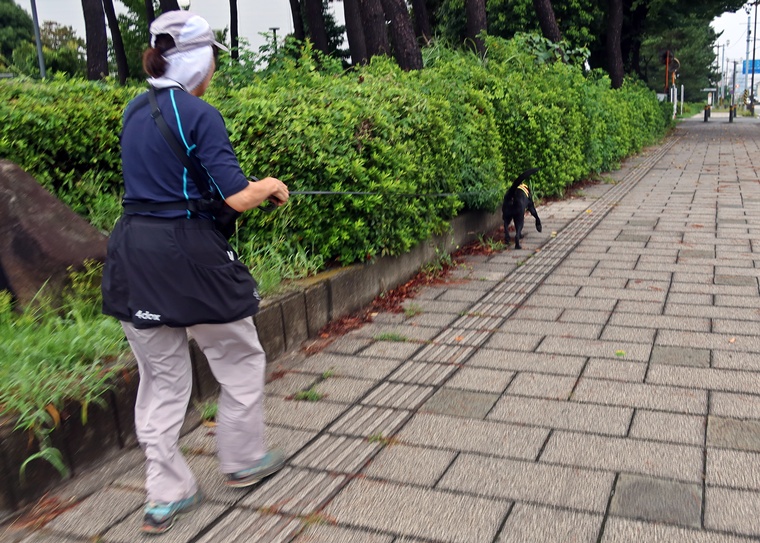
一方で、環境刺激に対する反応と臭跡に対する反応の区分が、まだ不明確なケースも見られました。犬が捜索作業に入るスイッチを安定させることも含め、今後も犬が示す反応を正確に読み取り、適切な判断とハンドリングにつなげられるよう、継続してトレーニングを進めていきます。
On the other hand, there were also cases in which the distinction between the dogs’ responses to environmental distractions and their responses to the scent trail was not yet sufficiently clear. Establishing a consistent transition into search mode also remains an important training objective.
We will continue to focus on developing the handlers’ ability to accurately recognize and interpret the dogs’ responses and translate that information into appropriate decision-making and handling, while helping each dog develop a more consistent and reliable search behavior.
Disaster
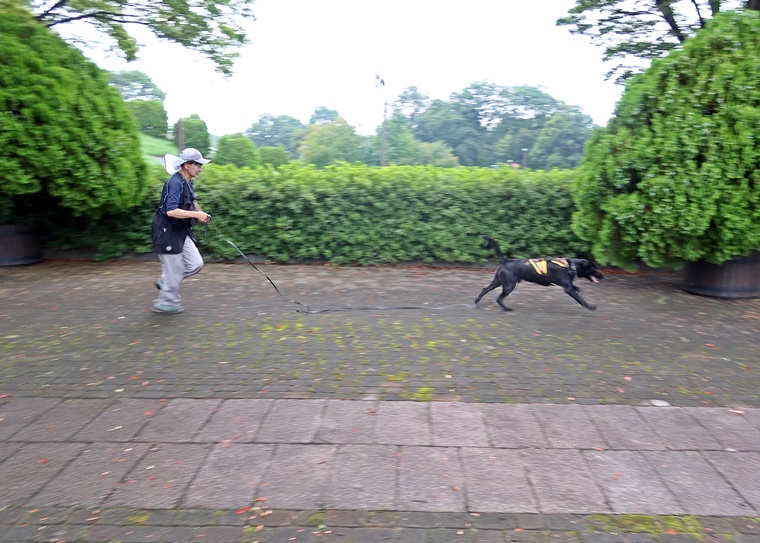
Disaster部門では、モナの丘のフィールドを使用し、認定犬および初歩犬それぞれの習熟度や課題に応じた基礎トレーニングを実施しました。現状の作業レベルを確認しながら、それぞれのUnitに必要な強化ポイントを整理し、捜索に対する意欲や自発性を高めることを目的とした設定でトレーニングを進めました。
In the Disaster Search training, exercises were conducted at the Mona no Oka training field, with foundational training tailored to the proficiency levels and individual training objectives of both certified and novice dogs.
While assessing the current working level of each unit, individual training priorities were identified, and exercises were designed to further develop the dogs’ motivation, confidence, and independence in the search task.
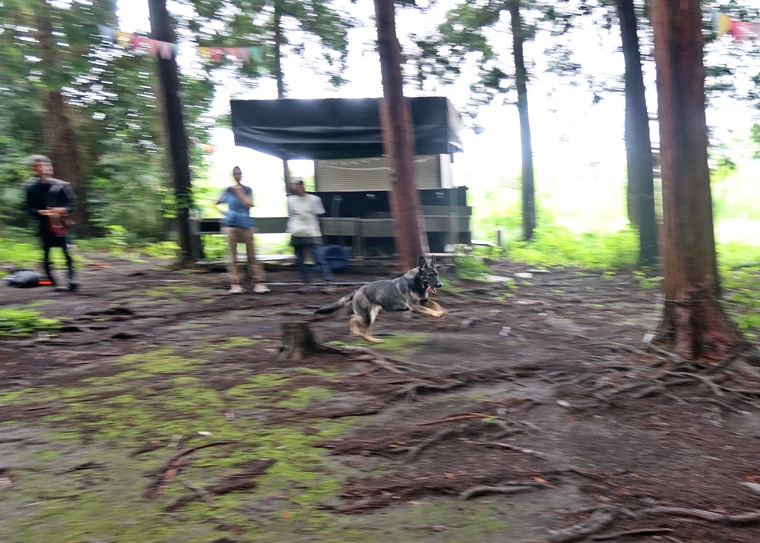
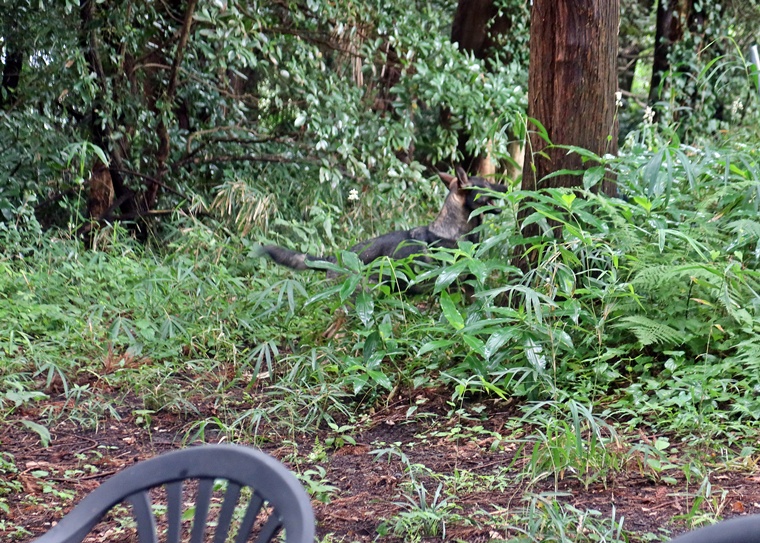
認定犬については、捜索エリアをどのように絞り込んでいくかを課題とし、セントコーンを捉えた際に犬が示す反応をハンドラーが正確に読み取り、捜索につなげるためのハンドリングを強化ポイントとして取り組みました。初歩犬については、風の流れとセントコーンの形成を確認しながら、チェックマークを活用した基礎トレーニングを実施しました。犬が自発的にセントコーンを捉え、臭気を追い込んでいく動きへの理解を深めながら、段階的なステップアップを図りました。
For the certified dog, the primary training objective was to improve the team’s ability to progressively narrow down the search area. Particular emphasis was placed on the handler’s ability to accurately recognize and interpret the dog’s behavioral changes when encountering the scent cone, and to use that information to guide appropriate handling and further develop the search.For the novice dog, foundational exercises were conducted using check-mark patterns, while carefully assessing wind direction and the formation of the scent cone. The training focused on helping the dog develop a better understanding of how to independently acquire the scent cone and confidently work the odor toward its source, allowing for gradual and systematic progression in its search skills.
HRD
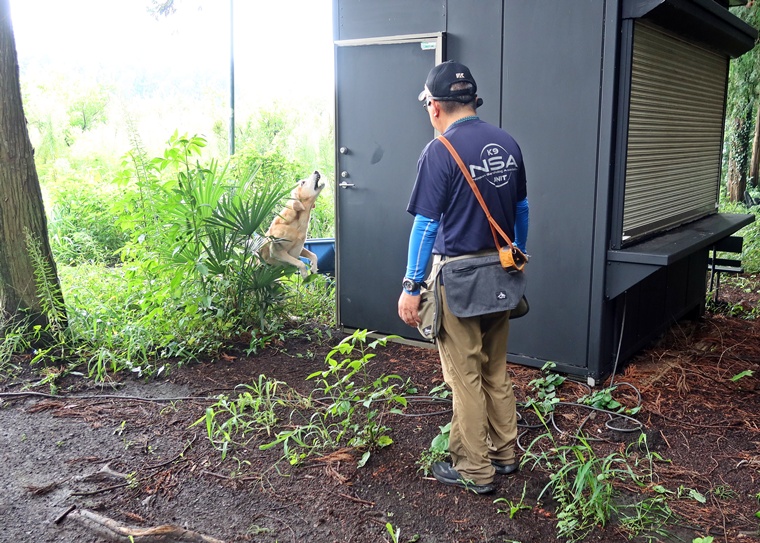
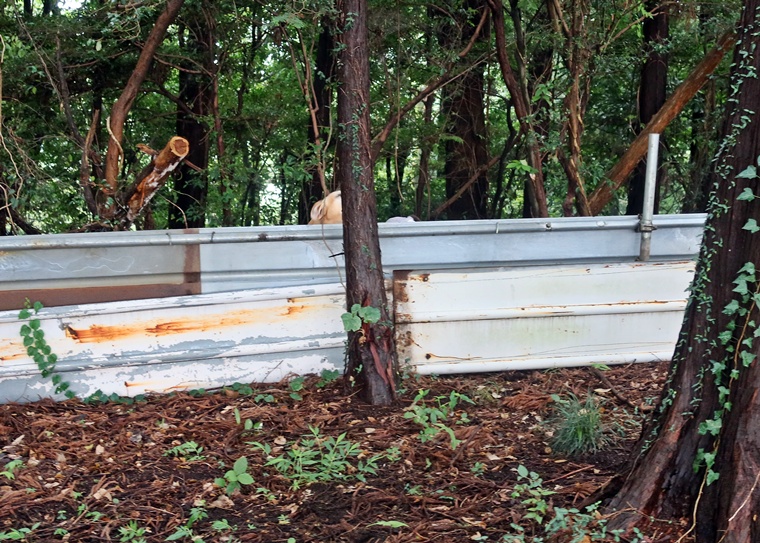
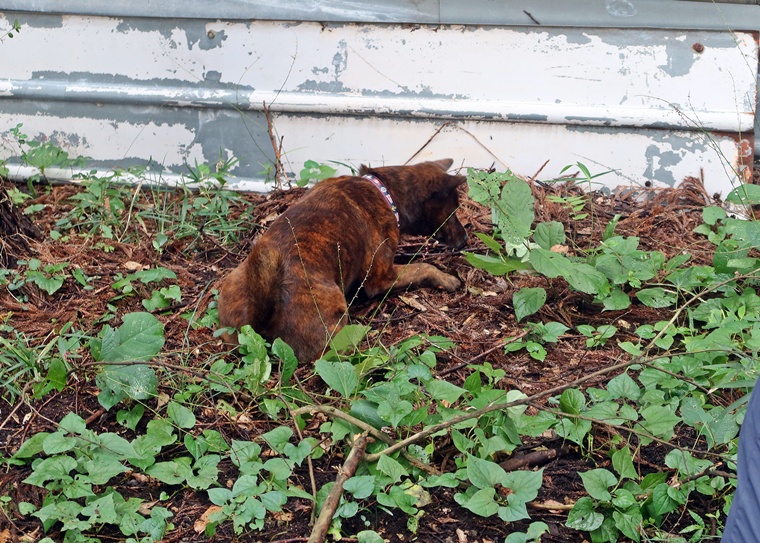
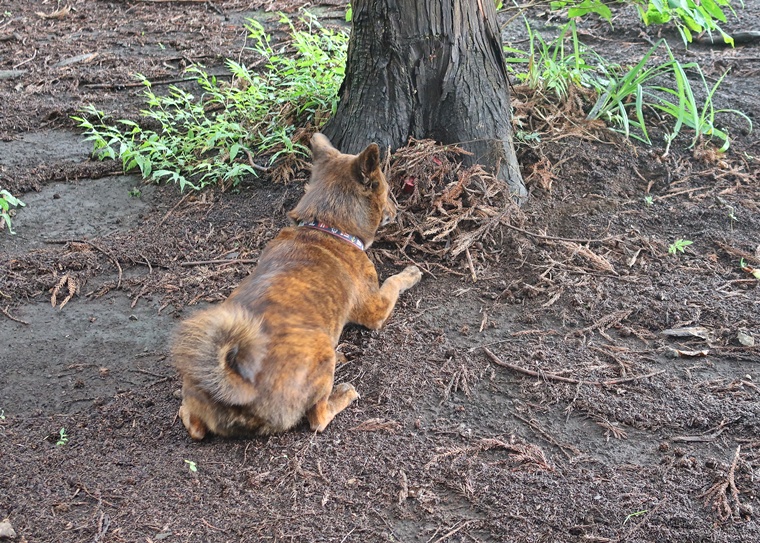
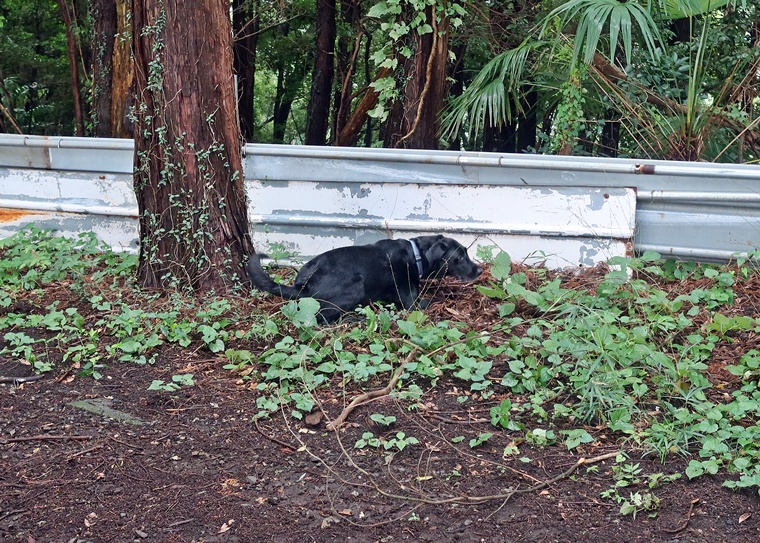
HRDでは、事前にエリア内へソースを設定し、TFR(Trained Final Response)の強化を目的としたトレーニングを実施しました。
In the HRD (Human Remains Detection) training, training aids were placed within the search area in advance, and exercises were conducted with a primary focus on strengthening and improving the reliability of the dogs’ Trained Final Response (TFR).
NSAの活動は、民間ボランティアによる行方不明者の捜索活動です。
多くの方々からご支援いただくことで、より速く、より多くの行方不明者捜索にサーチドッグを派遣することができます。皆様のご支援をお願いいたします。
NSA’s activities are carried out by civilian volunteers.
With the support of many individuals, we can deploy search dogs more quickly and to a greater number of missing person cases.
We sincerely ask for your continued support.

関連記事
-
 NPO法人 北東北捜索犬チーム Trailig/HRD Workshop_2026.10.04
 -
2026.11.03/NPO法人 北東北捜索犬チーム Trailing/HRD 適性試験
-
2026.10.25/ NSA (Trailig/HRD/Disaster)訓練会(相模原市内)
-
2026.10.11/ NSA (Trailig/HRD/Disaster)訓練会(相模原市内)
-
NSA Trailing/Disaster/HRD 訓練会レポート_2026.09.27
-
2026.10.10/REDOG MRT プレ試験
-
2026.10.04/NPO法人 北東北捜索犬チーム Trailing/HRD Workshopー終了しましたー
-
NSA Trailing/Disaster/HRD 訓練会レポート_2026.09.13