NSA Trailing/Disaster/HRD 訓練会レポート_2026.09.13
NSA Trailing/Disaster/HRD Training
2026年9月13日(日曜日)、気温22℃、湿度61%と、これまでの高温多湿の環境と比べてトレーニングを進めやすいコンディションとなりました。午前5時30分より、市街地を中心としたTrailing訓練を開始しました。
Trailingでは、実際の市街地環境を活用し、ビギナークラスのUnitはモチベーションランを中心とした基礎トレーニングを行い、アドバンスクラスのUnitは比較的短い距離での設定を中心にトレーニングを実施しました。今回も「ネガティブの確認」と、犬が示す行動変化をハンドラーがどのように観察し、判断するかを一つのテーマとしました。臭跡の有無や進行方向に対して犬が示す細かな変化を見逃さず、その反応を次の判断につなげられるよう、それぞれのUnitの進捗に合わせて訓練を行いました。
午前7時頃から会場を資材置き場へ移動し、Disaster/HRD訓練を実施しました。
Disasterの初歩段階のUnitは、ヘルパーへの意欲と集中を高めることを目的に、ランナウェイのステップアップトレーニングを行いました。また、セミブラインドで限定されたエリア内を捜索する設定にも取り組み、捜索からヘルパーを発見し、告知動作へ移行する一連の流れについても確認することができました。
HRDでは、それぞれのUnitの習熟度や現在の課題に応じた設定を行いました。犬の捜索能力を高めるだけではなく、ソースに対して犬が示す行動変化をハンドラーが正確に観察し、その反応をどのように判断して次の行動につなげるのかを意識しながら、実働現場を想定した実践的なトレーニングを積み重ねました。
今回から新たなメンバーも加わり、Trailing、Disasterそれぞれに新しいUnitが増えました。今後も継続的な訓練を通して、それぞれのUnitのレベルに応じた能力向上を図ると共に、実働現場で求められる犬の捜索能力、ハンドラーの観察力・判断力、そして安全かつ確実に活動するためのチームとしての総合力を高めていきます。
また、日々の訓練や実働活動について継続して発信することで、捜索犬がどのようなトレーニングを積み重ね、遭難者・行方不明者などの捜索において、どのような役割を担うことができるのかを、より多くの方々に知っていただけるよう活動を続けてまいります。
September 13, 2026 (Sunday)
With a temperature of 22°C and humidity at 61%, conditions were much more suitable for training compared to the hot and humid conditions we had experienced previously. Trailing training began at 5:30 a.m., primarily in an urban environment.For the Trailing training, we utilized actual urban settings. Beginner Units worked on fundamental motivation-run exercises, while Advanced Units trained mainly on relatively short trail settings.One of the main themes of this session was once again the recognition of negative indications and how handlers observe, interpret, and respond to changes in their dogs’ behavior. Training was conducted according to the progress of each Unit, with handlers focusing on recognizing subtle behavioral changes related to the presence or absence of the scent trail and the direction of travel, and using those observations to make appropriate decisions.
At around 7:00 a.m., we moved to a material storage yard and continued with Disaster and HRD training.
For beginner Disaster Units, training focused on increasing motivation and concentration toward the helper through progressive runaway exercises. We also introduced semi-blind searches within limited search areas, allowing the Units to work through the complete sequence from searching and locating the helper to performing the trained indication behavior.
For HRD, training scenarios were designed according to the experience level and current challenges of each Unit. In addition to developing the dogs’ search capabilities, handlers focused on accurately observing behavioral changes associated with the source, interpreting those responses, and using that information to determine their next actions. Through these exercises, we continued to build practical skills with operational deployment scenarios in mind.
We were also pleased to welcome new members to the team, adding new Units to both Trailing and Disaster training. Through continued training, we will work to improve the capabilities of each Unit according to its individual level while further developing the overall skills required for operational deployments: the dog’s search ability, the handler’s observation and decision-making skills, and the Unit’s ability to work safely, effectively, and reliably as a team.
By continuing to share information about our regular training and operational activities, we also hope to help more people understand how search dogs are trained and the important roles they can play in searches for missing or lost persons and other real-world search operations.
Trailing
モチベーションラン
ビギナークラスのUnitについては、モチベーションランを行う意味や目的、基本的な取り組み方を理解して頂きました。また、現在の段階から今後どのようにステップアップしていくべきかについても、トレーニングの進捗を確認しながらブリーフィングを行い、理解を深めながら進めることができました。
For the Beginner Units, the handlers were able to gain a clear understanding of the purpose and significance of Motivation Run training, as well as the fundamental approach to conducting it. We also provided briefings on how each Unit should progress from its current level, allowing the training to move forward while deepening the handlers’ understanding and assessing each Unit’s progress.
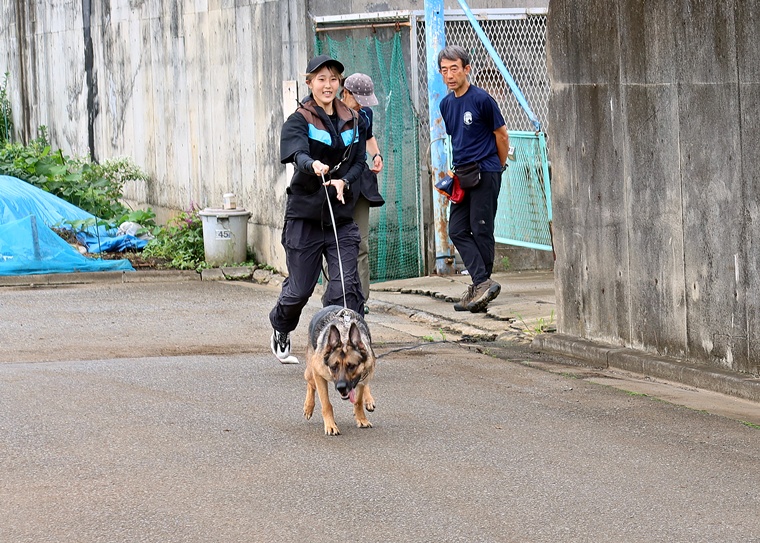
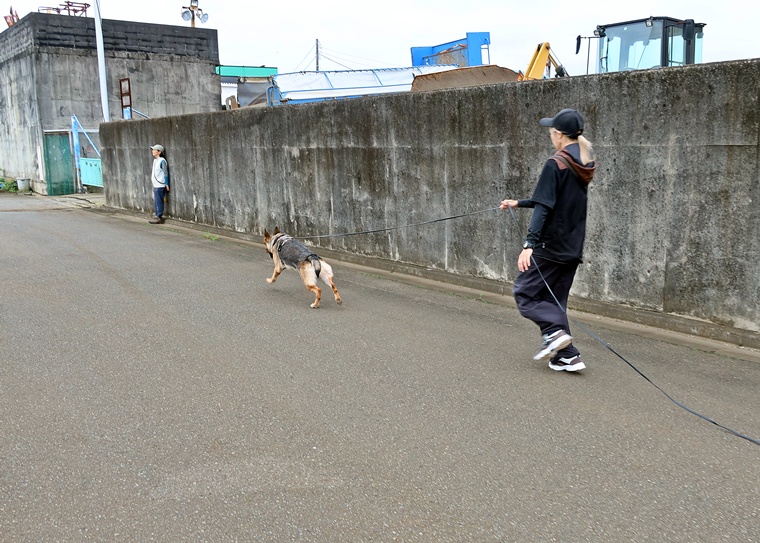
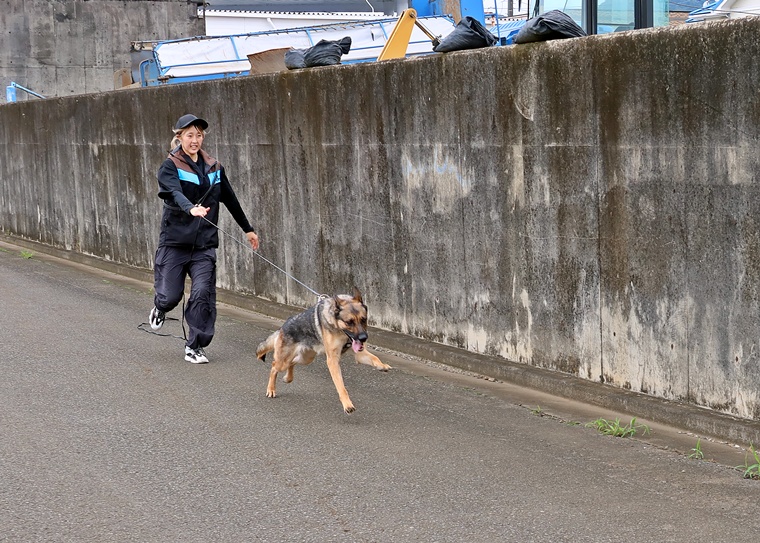
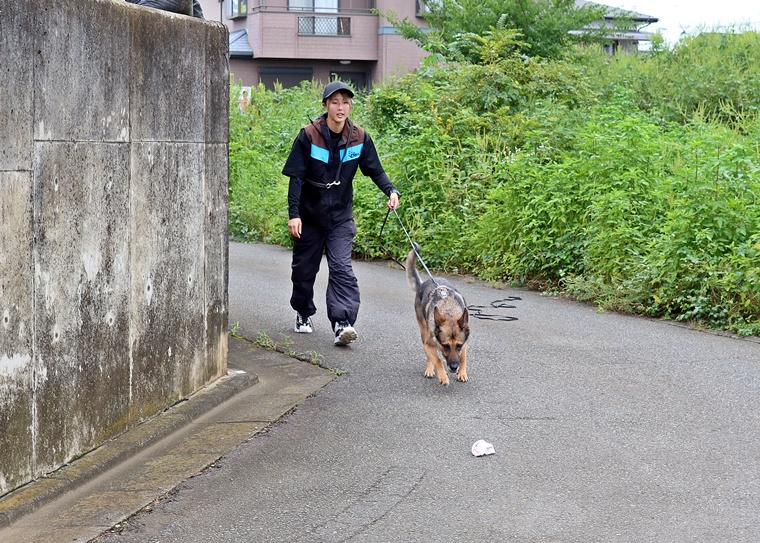
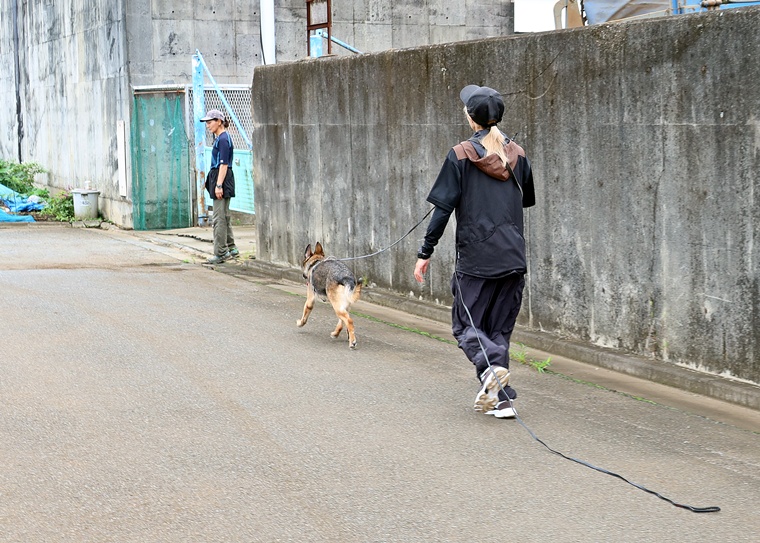
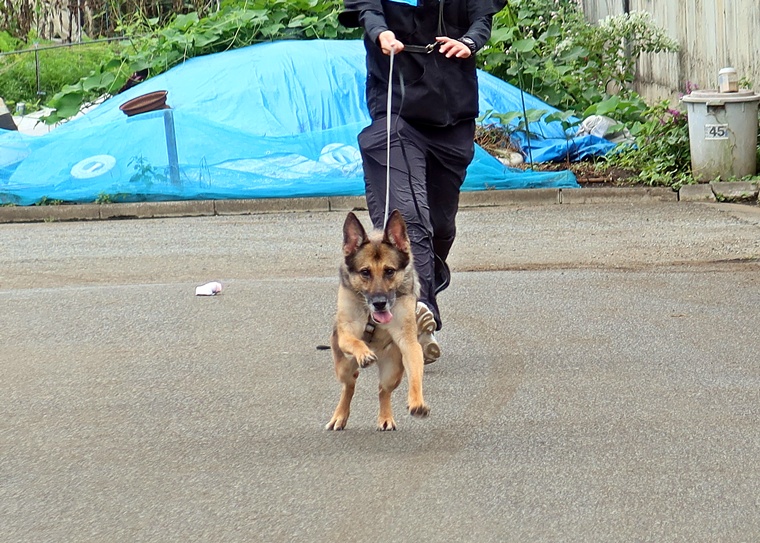
ハンドラーはこれまでにも実働経験があることから、実際の捜索活動がいかに難しく、様々な状況や環境変化に対応できるUnitを育成する必要があるのかを理解しています。その実働経験を活かしながら、まずはモチベーションランの基礎を丁寧に積み重ね、犬の意欲や反応の変化を正確に観察し、それぞれの段階に必要なトレーニングへつなげていくことが大切です。今後、Unitとしてどのように成長していくのか、とても楽しみです。
The handler already has operational field experience and therefore understands how challenging real-world search operations can be, as well as the importance of developing a Unit capable of adapting to a wide range of situations and changing environmental conditions.
Building on that operational experience, it is important to establish a solid foundation through Motivation Run training, while accurately observing changes in the dog’s motivation and responses and progressing to the appropriate training for each stage of development. We look forward to seeing how this Unit continues to develop and grow.
Scent ArticleからのTrailing
アドバンスクラスのUnitは、比較的短い距離ながら、ネガティブ反応の確認を一つの目的としたコース設定でTrailingトレーニングを行いました。
For the Advanced Unit, Trailing training was conducted over a relatively short-distance course designed with one of the primary objectives being to observe and confirm the dog’s negative indications.
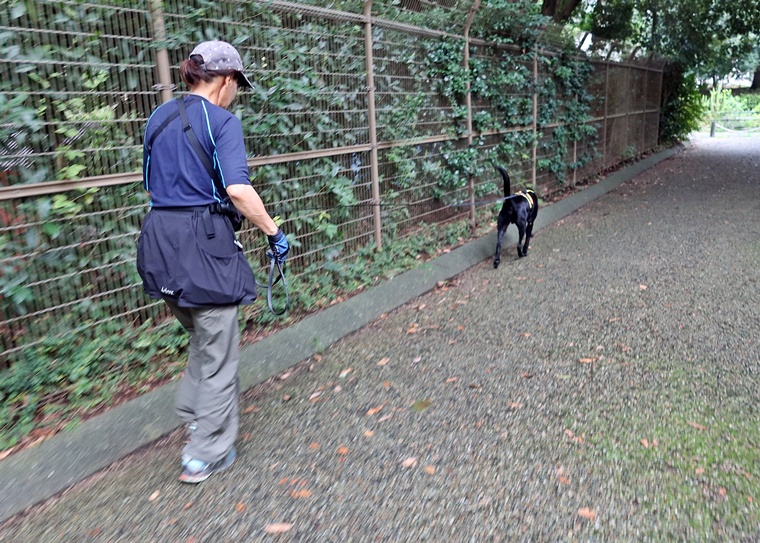
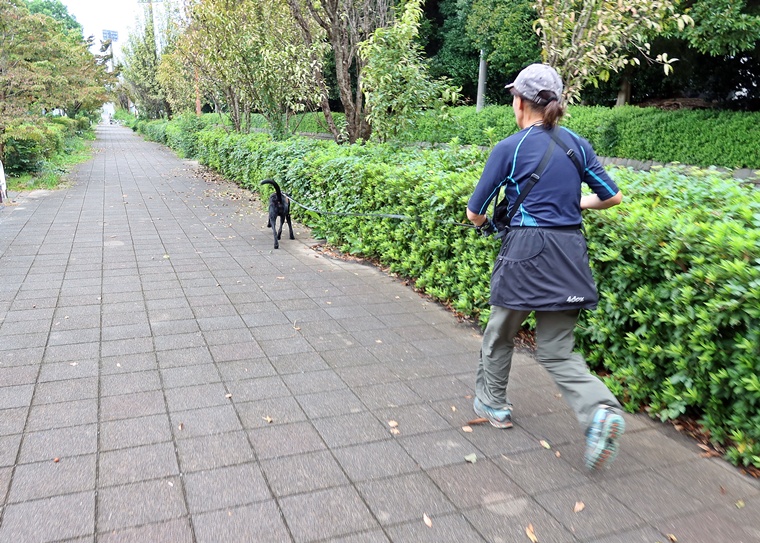
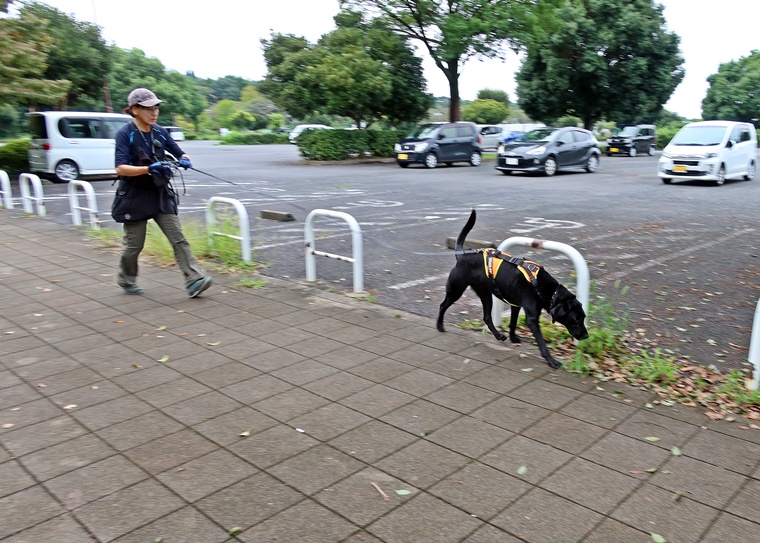
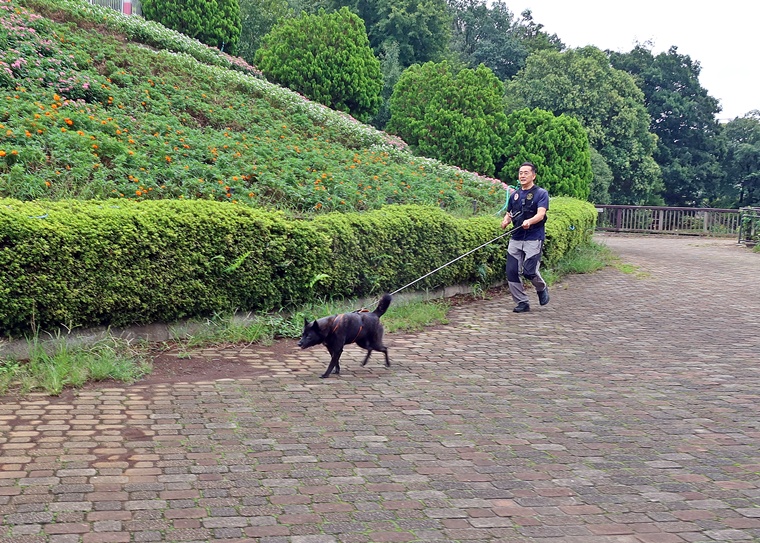
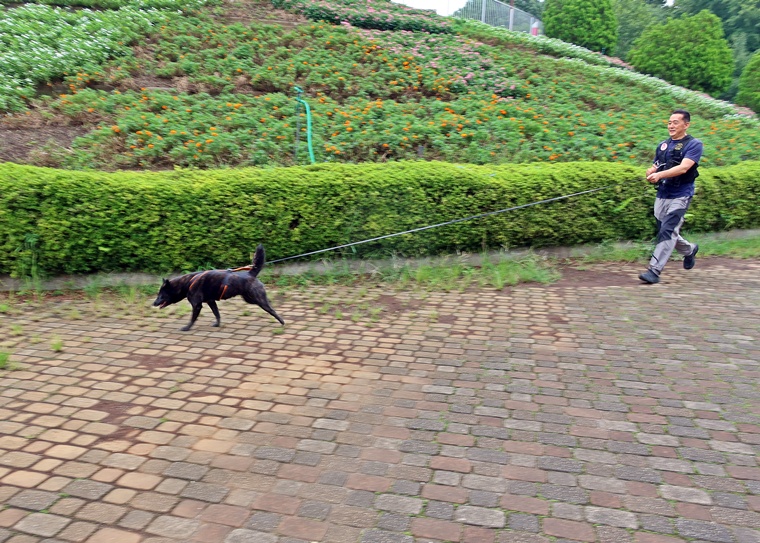
前回のトレーニングと比較すると、臭跡が存在しない方向に対するネガティブ反応がより明確になり、臭跡によって形成されたセントプールに対しても明確な反応が見られました。
捜索中の集中力も高く、臭跡の変化に対して自ら判断しながらトレールを追う動きが見られていました。今後も犬が示すポジティブ・ネガティブ双方の反応をハンドラーが正確に観察し、判断につなげられるよう、段階的にコース設定の難易度を高めていきます。
Compared with the previous training session, the dog showed clearer negative indications when moving in directions where no scent trail was present. A distinct response was also observed to scent pools formed by the trail.
The dog maintained a high level of concentration throughout the search and demonstrated the ability to independently work through changes in the scent trail while continuing to follow the trail. Moving forward, we will gradually increase the difficulty of the course settings so that the handler can further develop the ability to accurately observe and interpret both positive and negative indications shown by the dog and use those observations to make appropriate decisions.
Disaster
初歩段階のUnitは、ランナウェイを基本としながら、それを活用したステップアップトレーニングを行い、限定されたエリア内でのセミブラインドによる捜索にも取り組みました。
捜索に対する意欲は高く、ヘルパーを発見してからの告知動作についても素早く、安定した実行性が見られました。ランナウェイから実際の捜索へと段階的に移行する中でも、ヘルパーを捜索するという目的への理解が進んでいます。
一方、スタート時には興奮が高まる傾向がありますので、ハンドラーがどのような状態でスタートさせるのかも今後の重要なポイントとなります。また、モチベーターへの執着を単に抑えるのではなく、高い意欲を捜索へ活かしながら、モチベーターをトレーニングで使用する際のルール作りと、その精度を高めていきたいと思います。
For the beginner-level Unit, we conducted progressive training based on Runaway exercises and also introduced semi-blind searches within a limited search area.
The dog demonstrated a high level of motivation for the search, and after locating the helper, the indication behavior was quick and consistently performed. As the training gradually progressed from Runaway exercises toward more practical search scenarios, the dog showed an increasing understanding of the objective of searching for and locating the helper.
At the same time, the dog tends to become highly excited at the start of the search, making the handler’s approach to managing and initiating the start an important area for further development. Rather than simply suppressing the dog’s strong drive toward the motivator, the goal will be to channel that motivation effectively into the search while establishing clearer rules for how the motivator is used during training and improving consistency in their application.
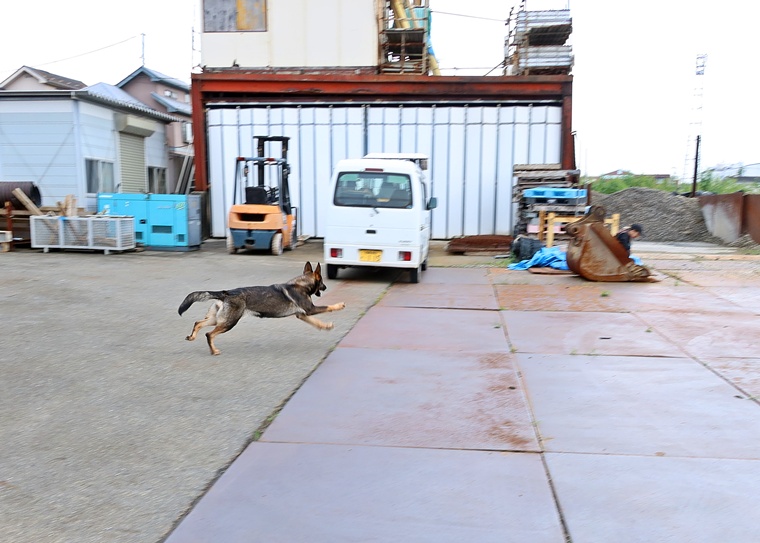
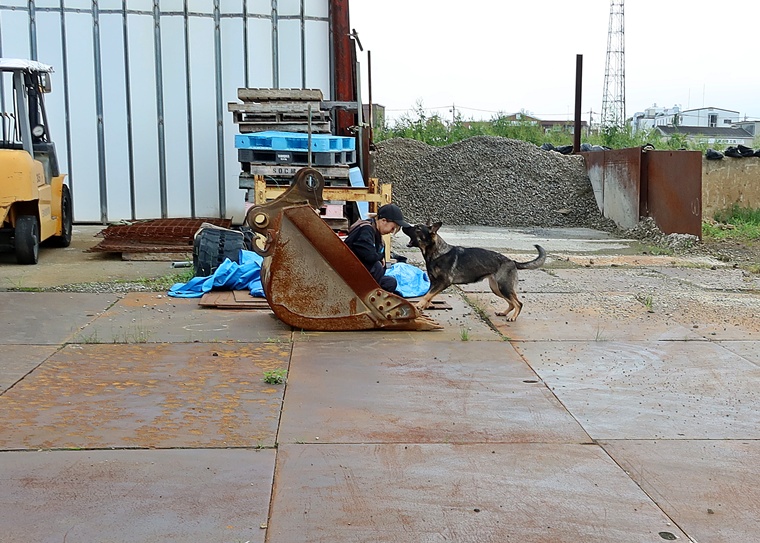
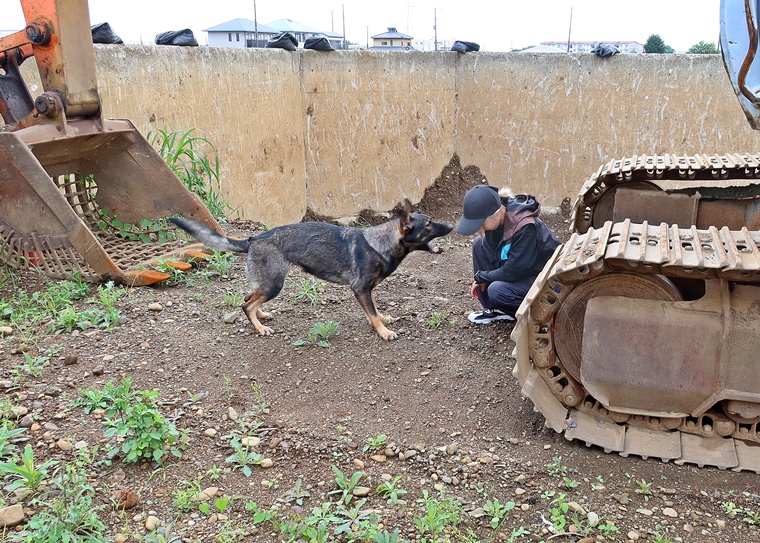
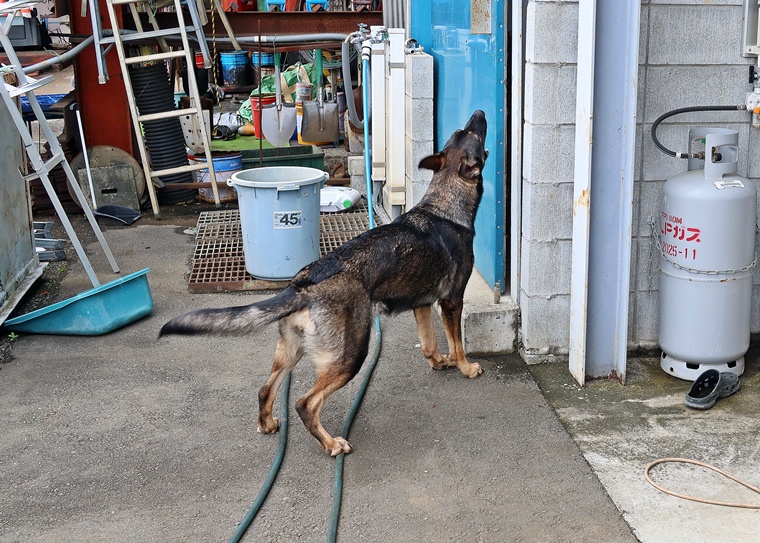
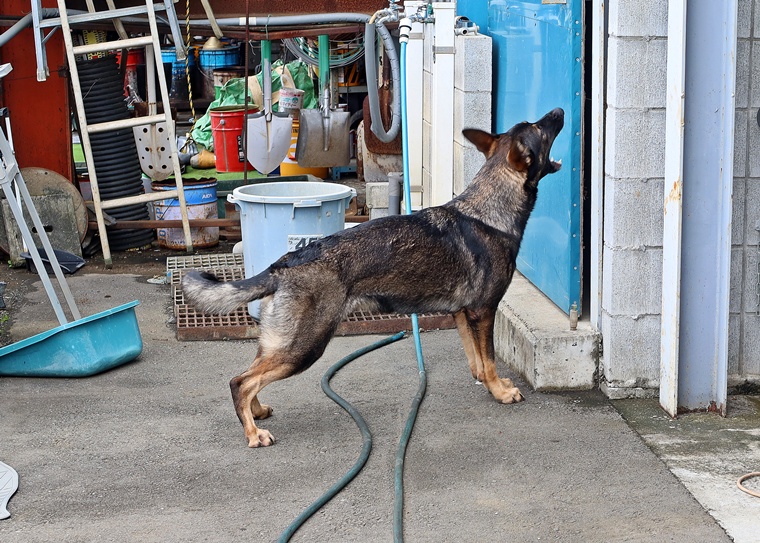
また、閉鎖空間にいるヘルパーに対する告知についても基礎トレーニングを行いました。ヘルパーを直接視認できない状況でも、臭いを捉えて位置を特定し、躊躇することなく告知動作へ移行できていることを確認しました。今後は閉鎖空間の条件やヘルパーの位置などを段階的に変化させながら、視認できない状況でも確実にヘルパーを特定し、安定した告知につなげられるようステップアップしていきます。
We also conducted basic training for indication behavior toward a helper concealed within an enclosed space. Even when the helper was not directly visible, the dog was able to detect the scent, pinpoint the helper’s location, and transition into the indication behavior without hesitation.
Moving forward, we will gradually vary the conditions of the enclosed space and the helper’s location, progressing the training so that the dog can reliably locate a non-visible helper and perform a stable and consistent indication.
HRD
エリアサーチとオンリードピンポイントサーチ
指定された限定エリアでの捜索では、それぞれのUnitの特徴を活かしながら、課題となる行動についてはハンドラーが適切にコントロールし、原臭へのアプローチからTFRへ移行する一連の動きを確認しました。
また、オンリードでの指定エリア捜索では、犬が示す臭気への反応をハンドラーが細かく観察しながら原臭の位置を絞り込み、ピンポイントでのTFRにつなげるトレーニングを行いました。
それぞれの捜索方法の違いを通して、単に原臭を発見するだけではなく、原臭に対する犬の反応を正確に読み取り、確実なTFRへつなげることを意識したトレーニングとなりました。
In the designated limited-area searches, we worked with the individual characteristics of each Unit while the handlers appropriately managed behaviors that presented challenges. We confirmed the complete sequence from the dog’s approach to the target odor source through the transition into the Trained Final Response (TFR).
During the designated on-leash area searches, handlers closely observed the dogs’ responses to the odor while progressively narrowing down the location of the target odor source. The training focused on achieving a precise, pinpoint TFR at the source.
Through these different search methods, the objective was not simply to locate the target odor source, but also for handlers to accurately interpret their dogs’ responses to the odor and reliably guide the search process toward a clear and consistent TFR.
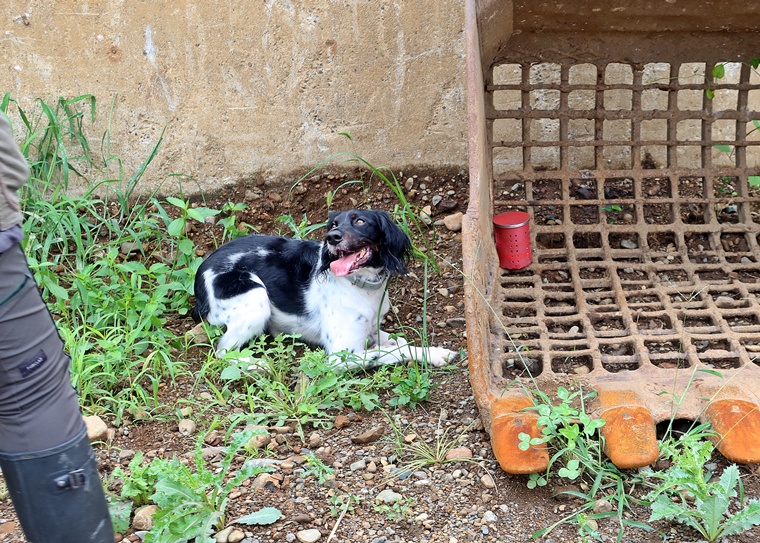
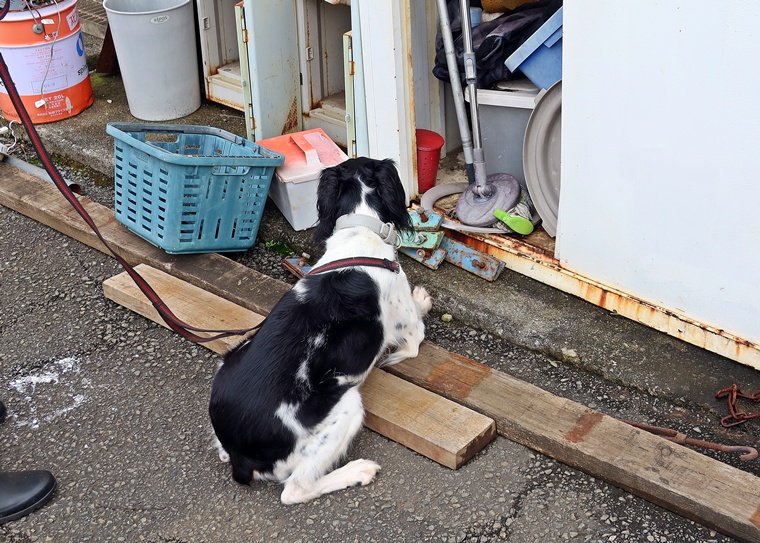
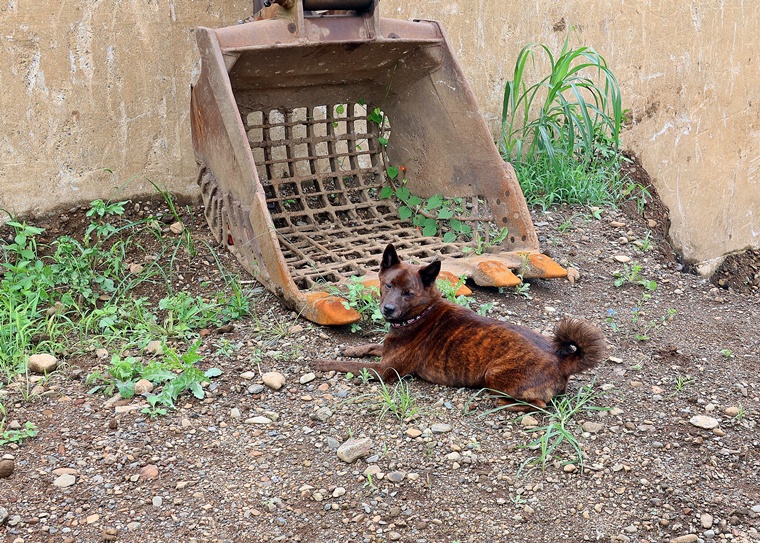
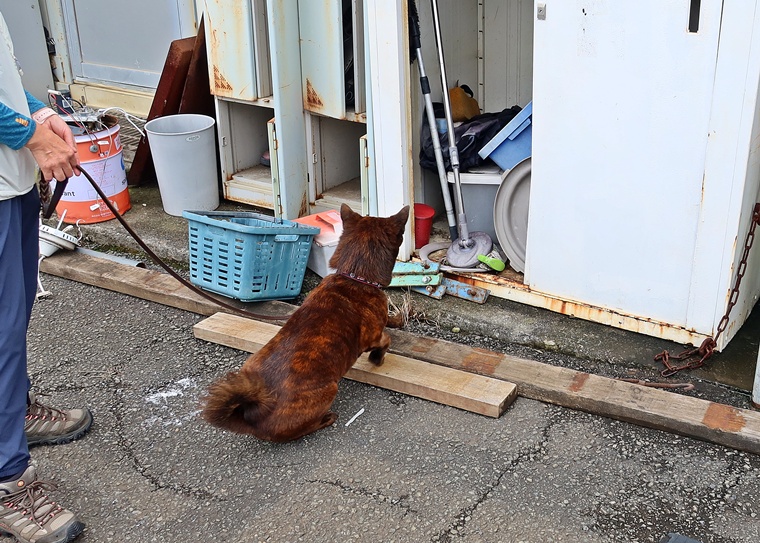
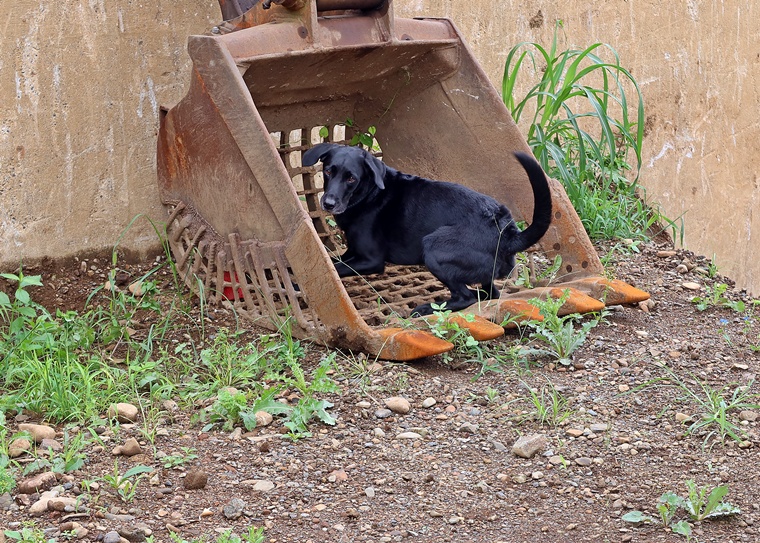
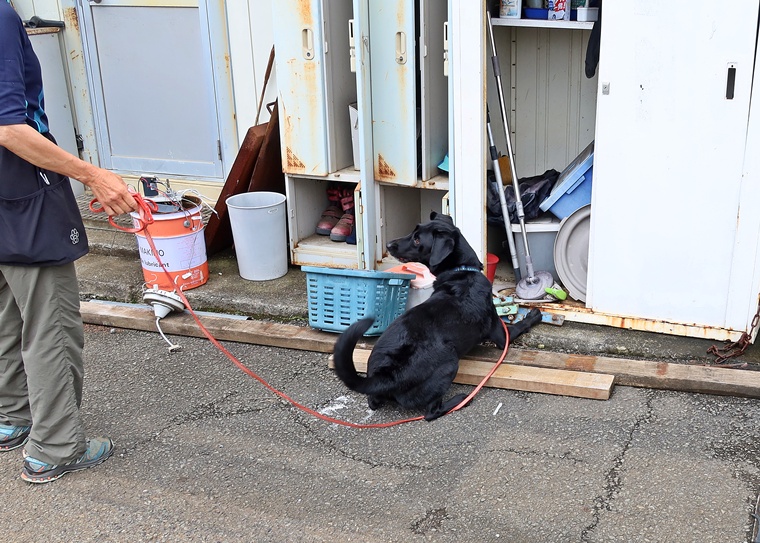
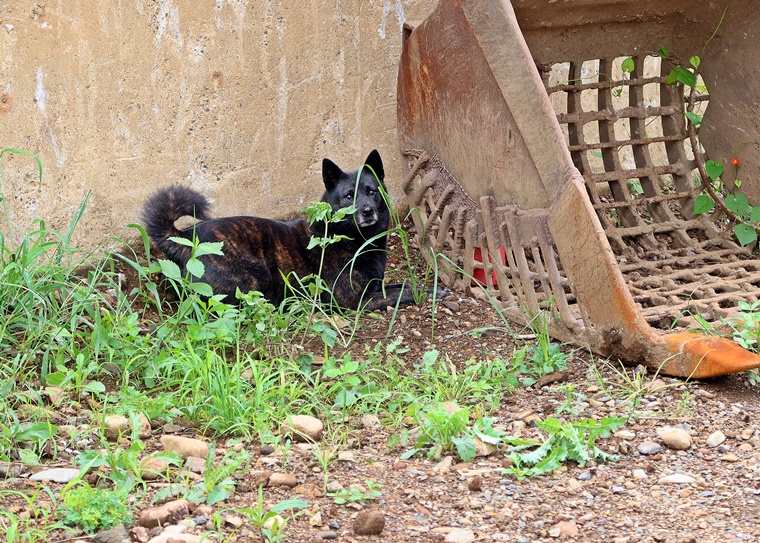
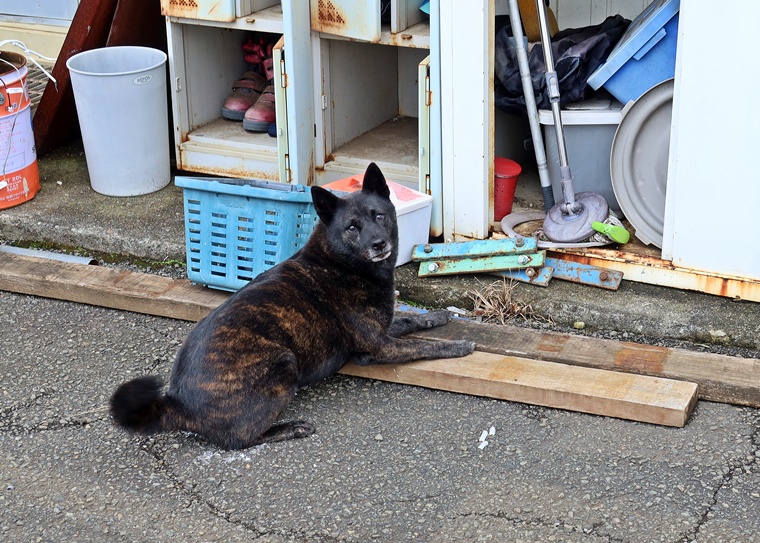
また、捜索開始時間帯による風の流れの変化や、原臭から拡散する臭気の広がり方によって、セントコーンやセントプールの形成にも違いが生じ、それに対する犬の反応が変化することも確認できました。同じ原臭の設定であっても、風向きや風量、周囲の環境、時間の経過による臭気の拡散状況によって犬が示す反応は変化します。そのため、ハンドラーが犬の動きだけを見るのではなく、捜索環境における臭気の流れを予測しながら、犬がどのような臭気に反応しているのかを観察し、判断することも重要なトレーニングとなりました。
We were also able to observe that changes in airflow at different search start times, as well as the way odor dispersed from the target odor source, affected the formation of scent cones and scent pools, resulting in changes in the dogs’ responses.
Even with the same target odor source placement, the dogs’ responses can vary depending on wind direction and strength, the surrounding environment, and changes in odor dispersion over time. Therefore, an important part of the training was for handlers not only to observe the dogs’ movements, but also to anticipate how odor may be moving within the search environment and to assess what odor information the dogs are responding to.
TFR強化トレーニング
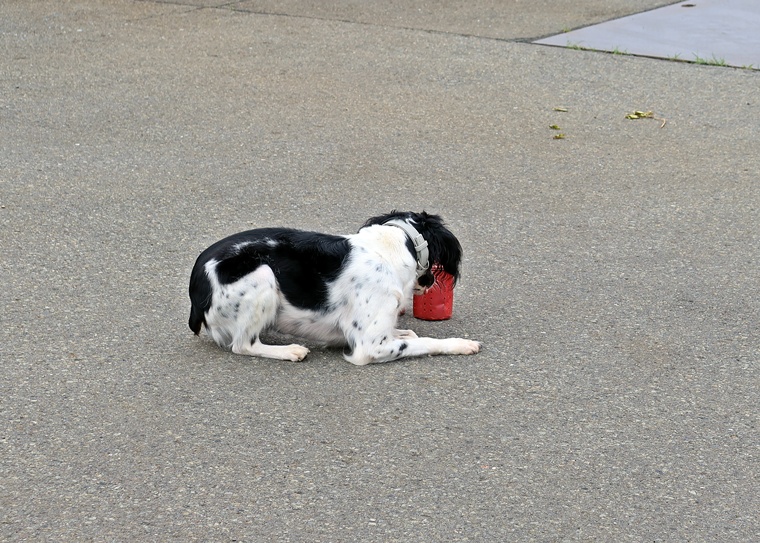
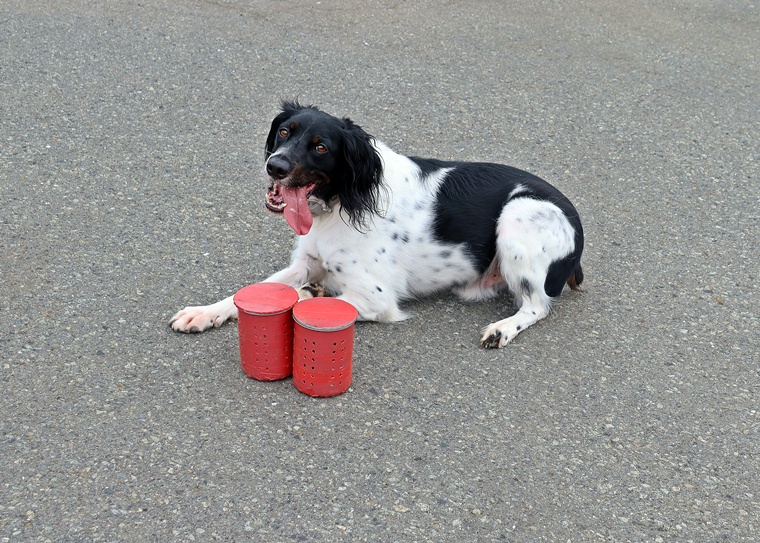
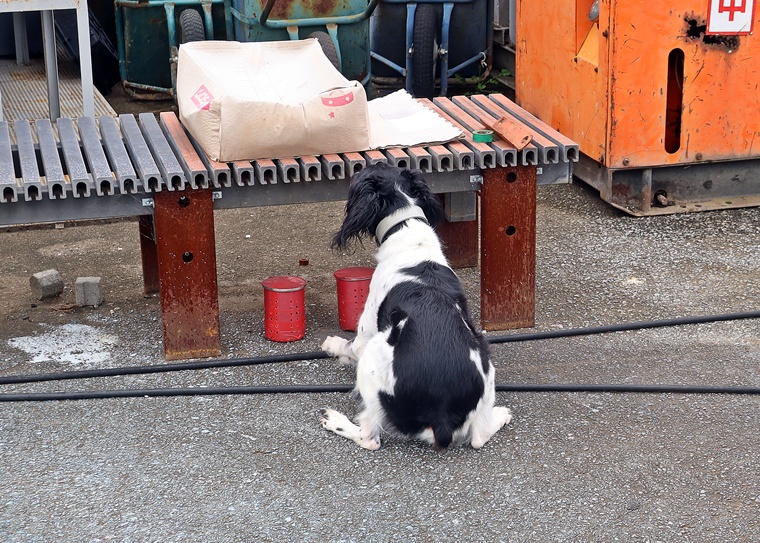
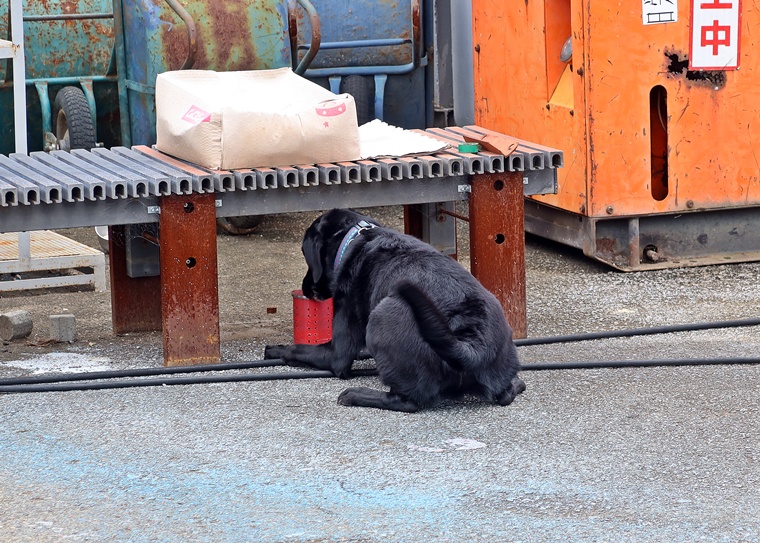
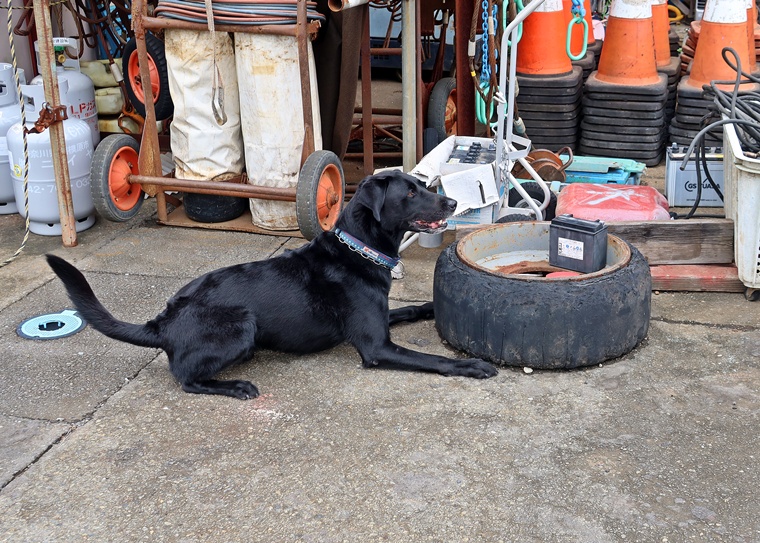
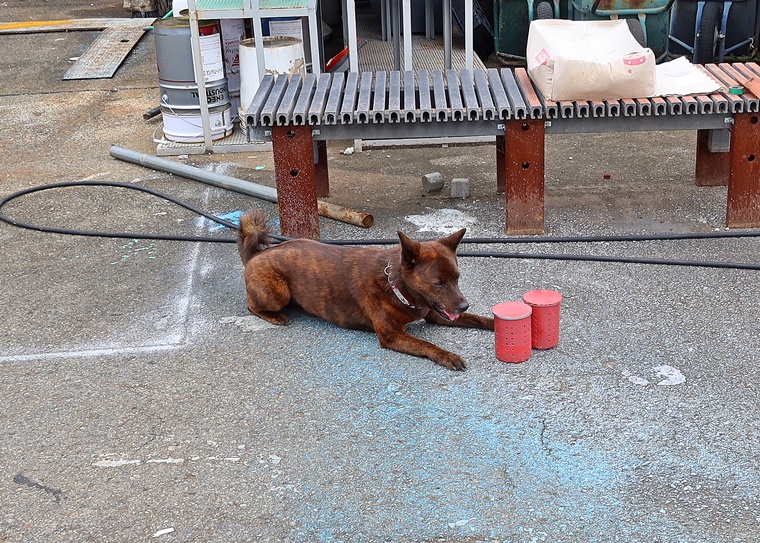
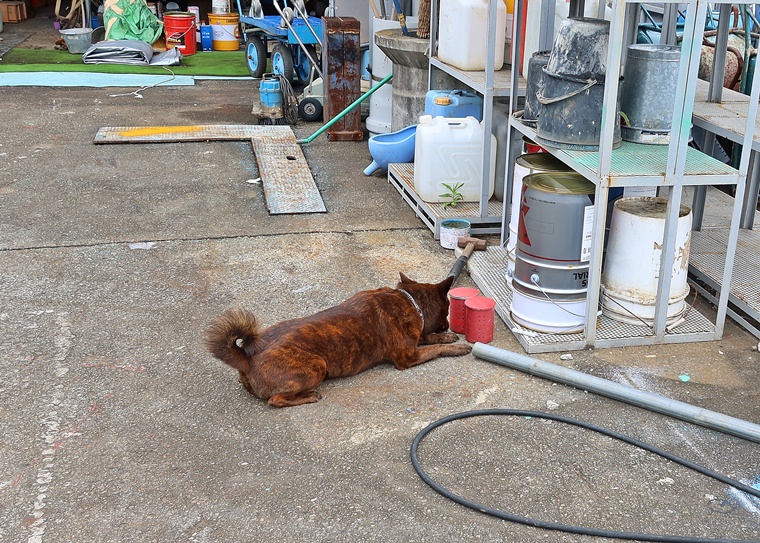
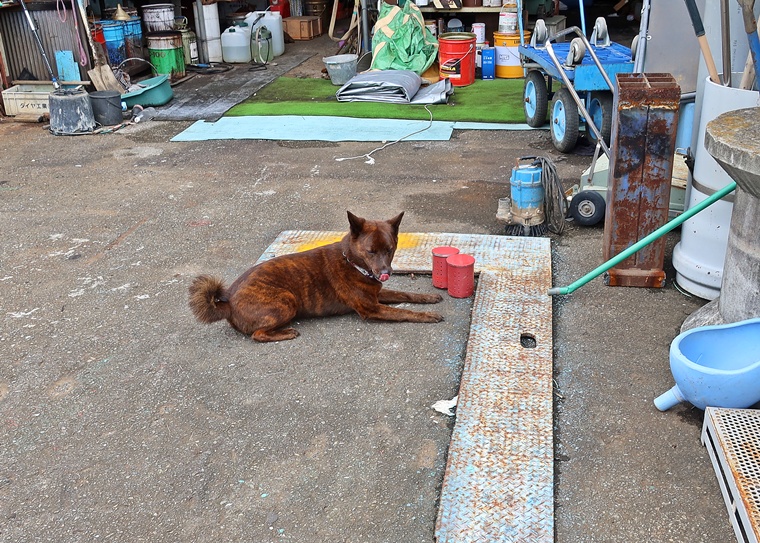
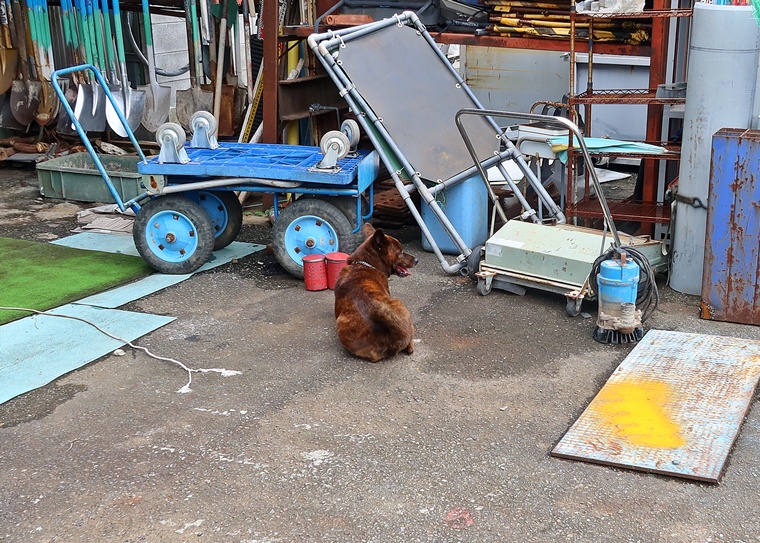
TFRへの意識と告知動作の強化を目的として、原臭を認識した際に、素早く確実にTFRへ移行するための強化トレーニングを行いました。
このトレーニングでは、原臭への反応からTFRへ移行するまでの一連の動きを確認し、それぞれのUnitが持つ特徴や現在の習熟度に合わせて取り組みました。
Unitごとに原臭へのアプローチやTFRへの移行、告知動作の安定性にもそれぞれ特徴が見られましたので、今後の課題を明確にしながら、より素早く確実なTFRにつなげられるよう継続して強化していきます。
To strengthen the dogs’ awareness of the TFR and improve the reliability of their indication behavior, reinforcement training was conducted with the goal of achieving a quick and confident transition into the TFR once the target odor source was recognized.
During this training, we evaluated the complete sequence from the initial response to the target odor source through the transition into the TFR, adjusting the exercises according to the individual characteristics and current training level of each Unit.
Each Unit showed its own characteristics in the approach to the target odor source, the transition into the TFR, and the stability of the final indication behavior. Moving forward, we will continue to reinforce these elements while identifying the specific challenges for each Unit, with the goal of achieving faster, more reliable, and consistent TFRs.
NSAの活動は、民間ボランティアによる行方不明者の捜索活動です。
多くの方々からご支援いただくことで、より速く、より多くの行方不明者捜索にサーチドッグを派遣することができます。皆様のご支援をお願いいたします。
NSA’s activities are carried out by civilian volunteers.
With the support of many individuals, we can deploy search dogs more quickly and to a greater number of missing person cases.
We sincerely ask for your continued support.