NSA Trailing/Disaster/HRD 訓練会レポート_2026.07.26
NSA Trailing/Disaster/HRD Training
2026年7月26日(日) NSA Disaster/HRD・Trailing訓練会
梅雨明け以降は猛暑日が続き、早朝から気温の高い日が続いていましたが、この日は前日の雷雨の影響もあり、朝の気温がやや落ち着き、犬たちにとって比較的活動しやすいコンディションの中で訓練を実施することができました。
AM5:00より市街地においてTrailing訓練を開始し、その後AM7:00からは会場をモナの丘へ移動し、Disaster/HRD訓練会を開催しました。今回は災害救助犬十日町より8名・8頭が参加し、それぞれの部門で現在の課題克服と能力向上を目的とした実践的なトレーニングに取り組みました。
Trailingでは実際の市街地環境を活用し、犬の捜索能力だけでなく、ハンドラーの状況判断やハンドリング技術の向上も意識した内容となりました。また、Disaster/HRDでは、それぞれのレベルや課題に応じた設定を行い、現場を想定した実践的なトレーニングを積み重ねることができました。
当日は一般の方にも見学へお越しいただき、NSAが取り組む訓練内容や、捜索犬育成の考え方、災害救助犬の役割についてご理解とご共感をいただく貴重な機会となりました。今後も継続的な訓練を通じて各ユニットの能力向上を図るとともに、捜索犬の活動や社会的役割について広く知っていただけるよう取り組んでまいります。
Sunday, July 26, 2026 – NSA Disaster / HRD & Trailing Training Exercise
Following the end of Japan’s rainy season, extremely hot weather had continued with high temperatures from the early morning hours. However, due to thunderstorms the previous day, the morning temperature was somewhat lower, providing relatively favorable conditions for the dogs to work throughout the training.
The day began with a Trailing training exercise in an urban environment at 5:00 a.m., followed by the Disaster and Human Remains Detection (HRD) training at Mona no Oka, starting at 7:00 a.m.
A total of eight handlers and eight search dogs from Tokamachi Disaster Search Dog Team participated in the training. Each team focused on practical exercises designed to address current training objectives and further develop operational capabilities within their respective disciplines.
During the Trailing session, realistic urban environments were utilized to challenge not only the dogs’ scent discrimination and trailing abilities but also the handlers’ situational awareness, decision-making, and leash-handling skills.
The Disaster and HRD sessions were conducted using training scenarios tailored to each team’s experience level and specific training objectives. These realistic exercises provided valuable opportunities to strengthen operational skills under conditions that closely simulated actual search deployments.
The training was also open to members of the public, who visited the venue to observe the exercises. This provided a valuable opportunity to introduce NSA’s training philosophy, the process of developing search dog teams, and the important role that disaster search dogs play in emergency response operations.
NSA will continue to conduct regular training exercises to enhance the operational readiness of each search dog team while promoting greater public understanding of the capabilities and vital role of search dogs in disaster response and missing person search operations.
Trailing
Trailingでは、前回に引き続き、各Unitの課題となっている「犬が示すネガティブ反応をハンドラーが正確に読み取る技術」の向上をテーマに訓練を実施しました。
捜索中に犬が示すネガティブ反応は、「臭跡が存在しない」「臭跡を見失った」「進行方向が異なる」といった重要な情報をハンドラーへ伝えるサインです。その反応を正確に読み取り、適切な判断とハンドリングにつなげることは、Trailingにおいて非常に重要な技術となります。
During the Trailing training, we continued to focus on one of the primary training objectives identified for each unit: improving the handler’s ability to accurately recognize and interpret the dog’s negative indications.A dog’s negative response during a trail provides critical information to the handler, indicating that the target scent is no longer present, the scent trail has been lost, or the current direction of travel is incorrect. The ability to correctly recognize these behavioral changes and respond with appropriate tactical decisions and handling is a fundamental skill in operational trailing.
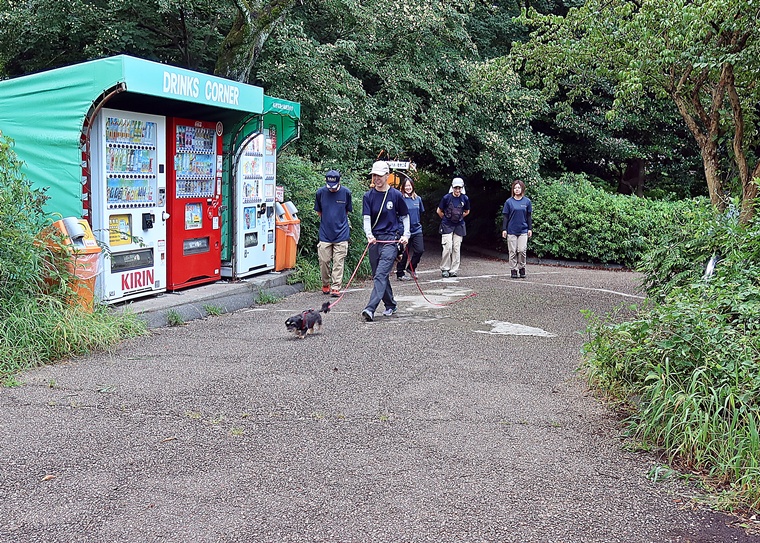
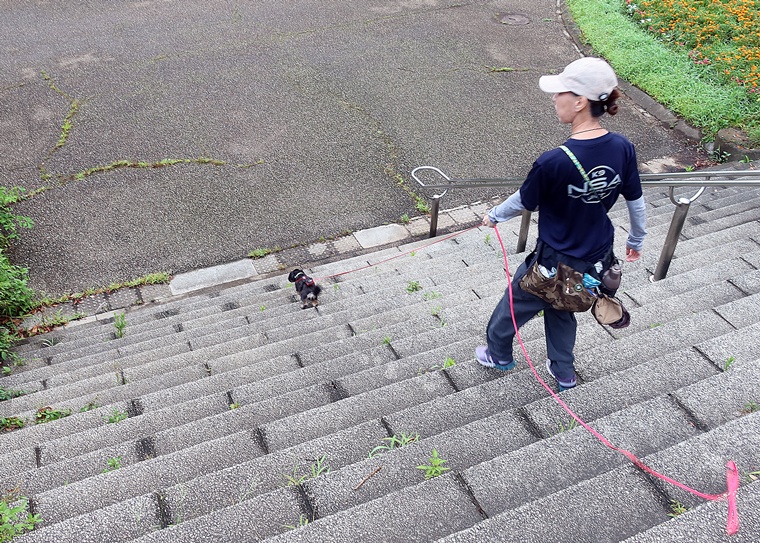
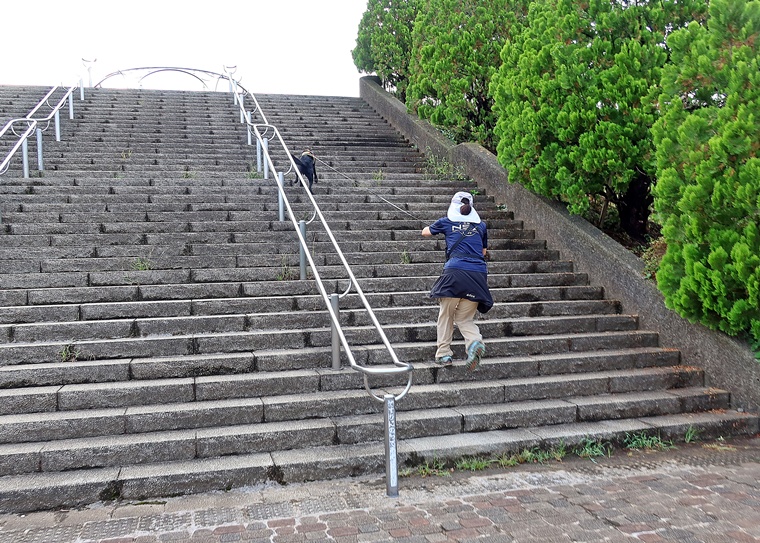
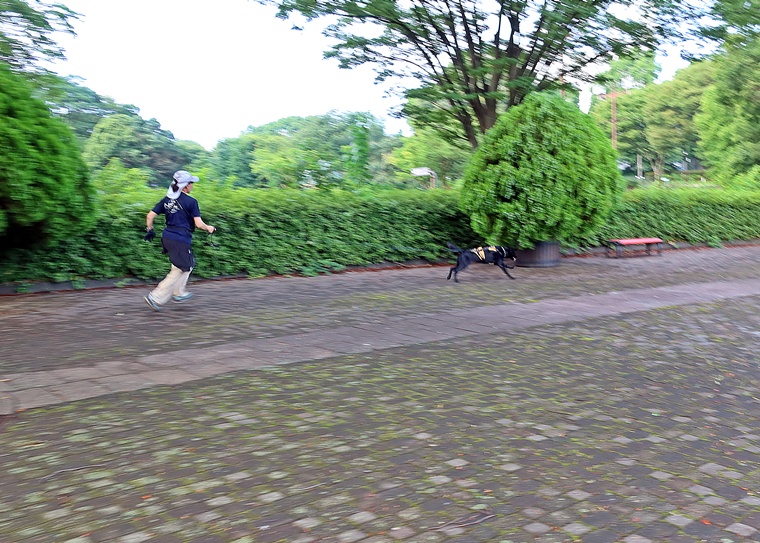
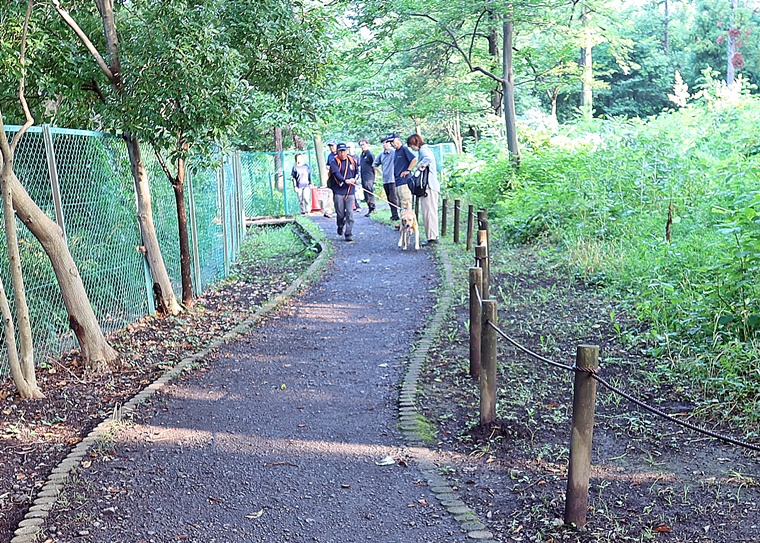
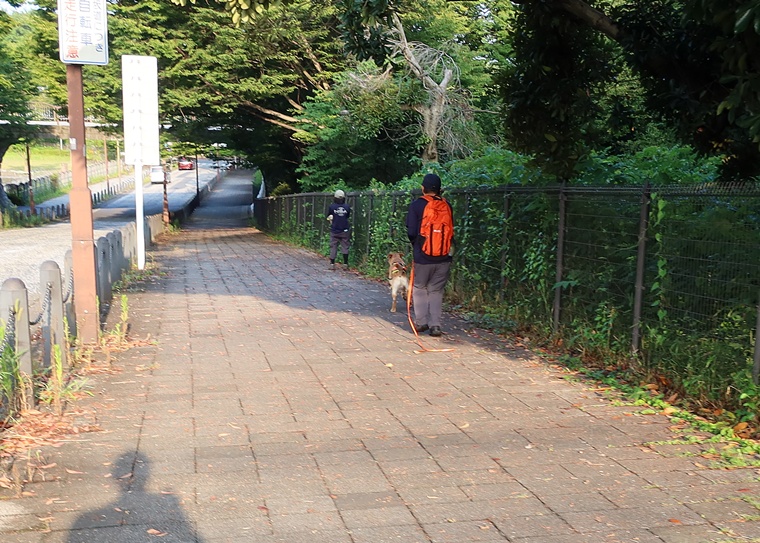
特に、臭跡が拡散しやすく、臭気が複雑に流動するオープンスペースでは、それぞれのUnitの習熟度に応じた課題設定を行い、犬の行動変化を根拠として進行方向を判断する実践的なトレーニングを行いました。犬の反応を信頼しながら冷静に状況を分析する力を養うことで、より精度の高い捜索活動につながる内容となりました。
Particular emphasis was placed on open-area scenarios, where scent tends to disperse and odor movement becomes more complex due to changing environmental conditions. Training scenarios were tailored to the proficiency level of each unit, requiring handlers to determine the correct direction of travel based on subtle changes in the dog’s behavior rather than assumptions about the search area.
By learning to trust the dog’s indications while calmly assessing the situation and adapting their search strategy accordingly, handlers strengthened the decision-making skills essential for conducting accurate and effective trailing operations.
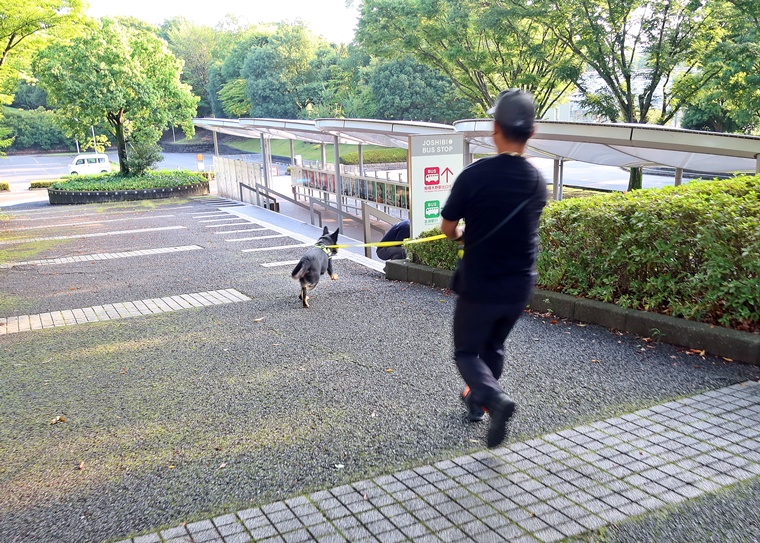
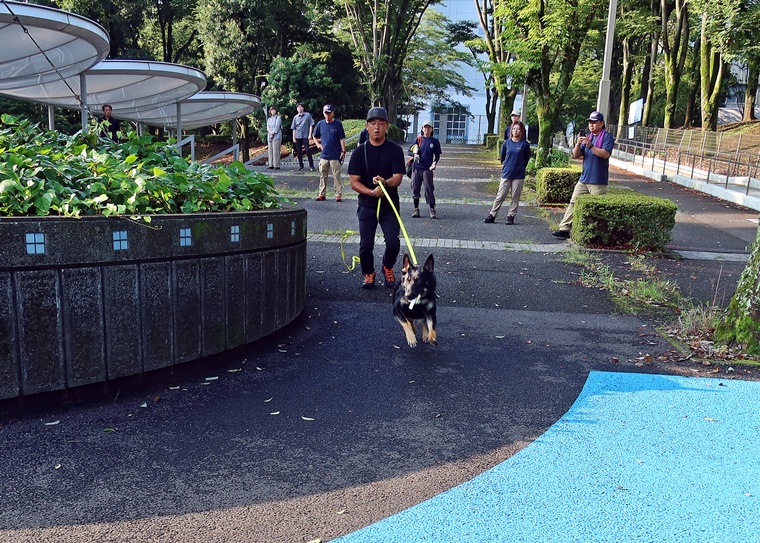
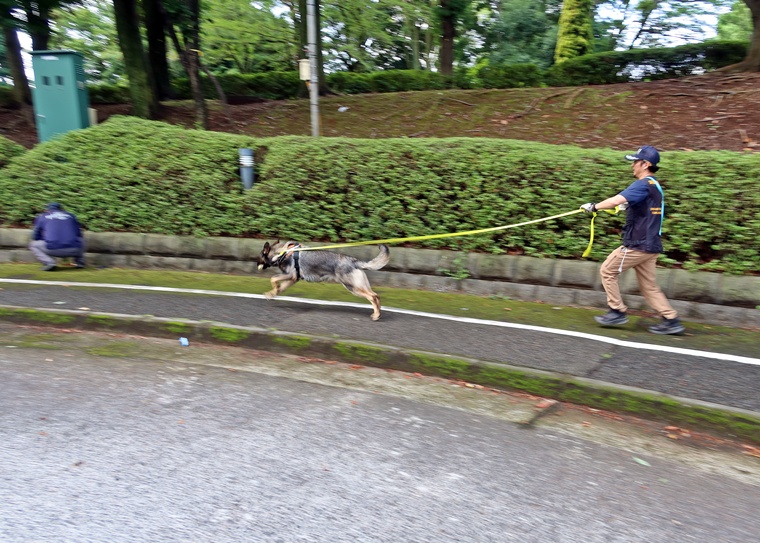
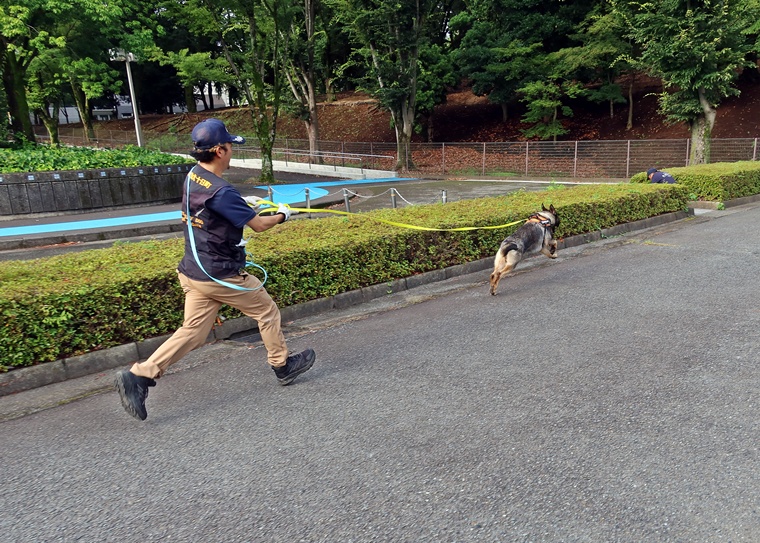
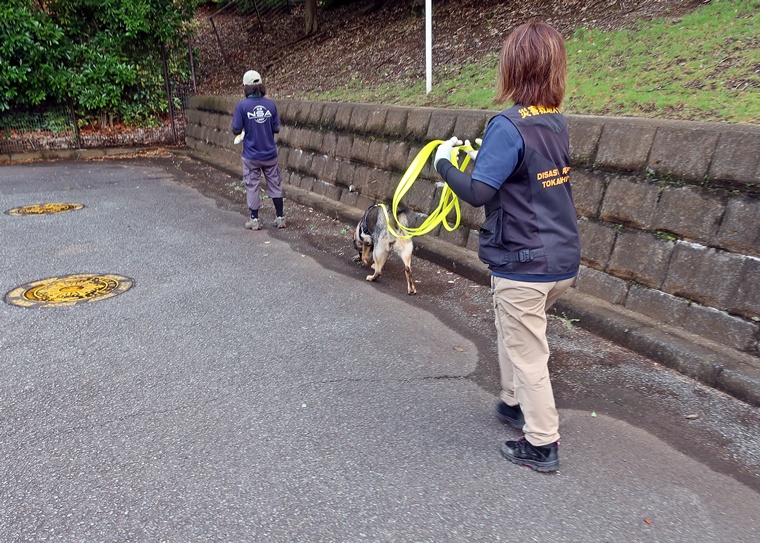
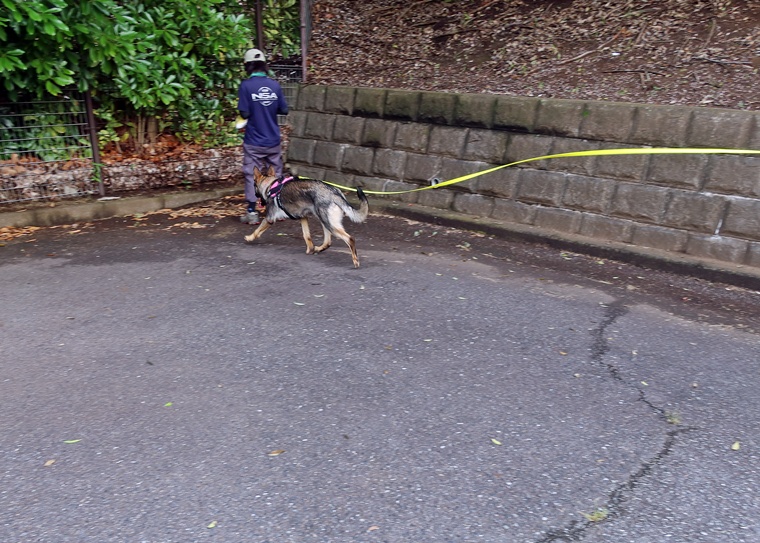
また、基礎トレーニングの導入として、災害救助犬十日町より新たに3Unitが加わり、Trailingの基本理論や作業の流れを確認しながら、モチベーションランを中心とした基礎作業を実施しました。犬が「人を探すことは楽しい」という成功体験を積み重ねるとともに、ハンドラーも基本的な作業手順やラインハンドリングを確認し、今後のステップアップにつながる土台づくりを行うことができました。
As part of the introductory foundation training, three new units from the Tokamachi Disaster Search Dog Team joined the program. While reviewing the basic principles of trailing and the standard workflow, the teams conducted foundational exercises centered primarily on motivation runs.These exercises allowed the dogs to build repeated positive experiences and develop the understanding that searching for a person is enjoyable and rewarding. At the same time, the handlers reviewed basic operational procedures and line-handling techniques, establishing a solid foundation for future progression and more advanced training.
Disaster
Disaster部門では、前回に引き続きモナの丘のフィールドを使用し、災害救助犬十日町から認定犬および適性試験合格犬を含む3Unitと、NSAから初歩犬1頭が参加し、それぞれのレベルに応じた基礎トレーニングを実施しました。
The Disaster Search training continued to utilize the training field at Mona no Oka, where three units from the Tokamachi Disaster Search Dog Team—including both certified search dogs and dogs that had successfully passed the aptitude assessment—participated alongside one novice dog from NSA.
Training exercises were designed according to the experience and operational level of each unit, with an emphasis on strengthening fundamental search skills and reinforcing the core competencies required for disaster search operations.
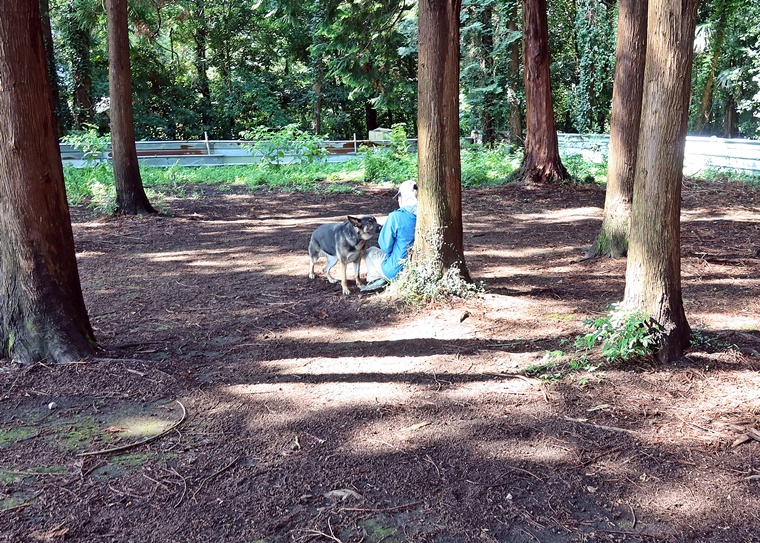
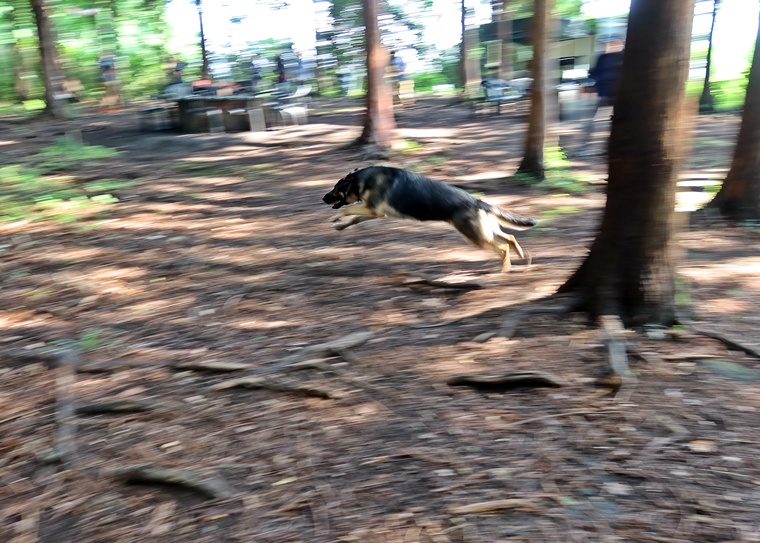
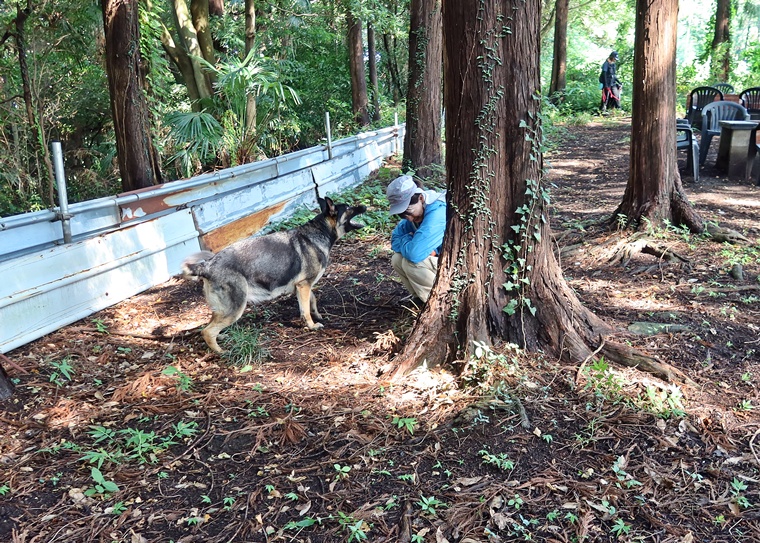
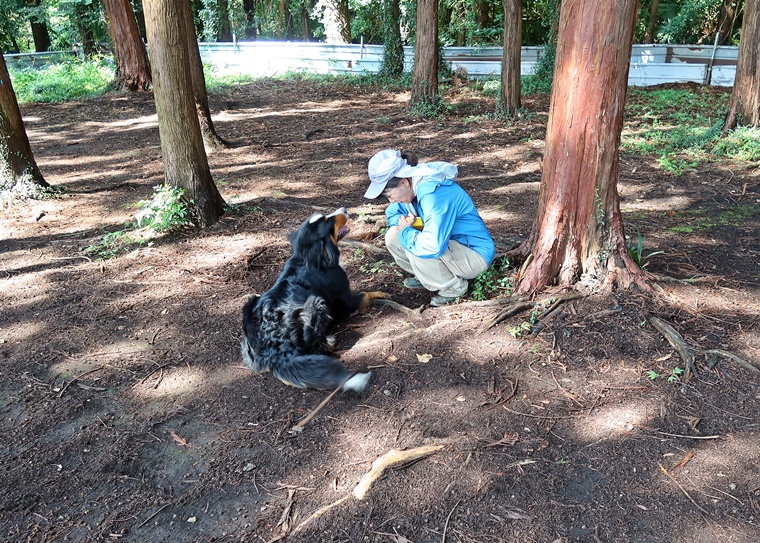
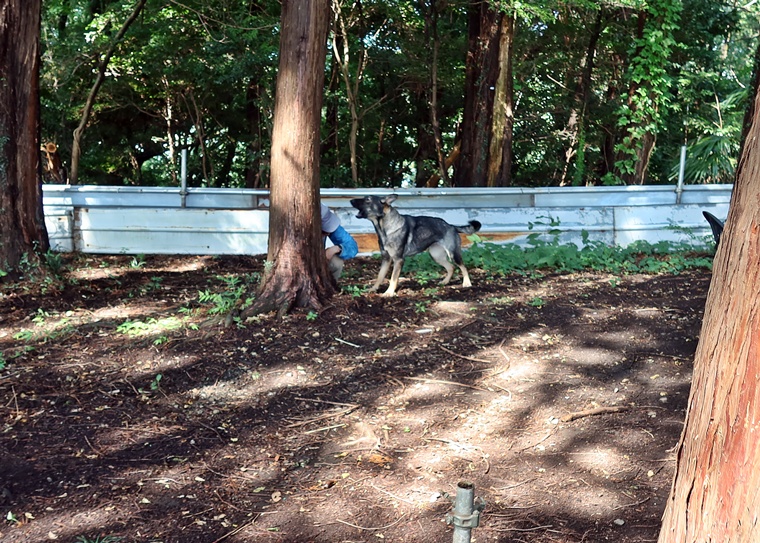
災害救助犬十日町から参加した各Unitについては、現在の作業レベルを確認しながら、それぞれの強化ポイントを整理し、ヘルパーに対する意欲の向上と、確実なバークアラートの形成・強化を中心にトレーニングを進めました。捜索意欲を維持しながら、発見後の明確な意思表示までを一連の行動として安定して実行できるよう、それぞれの課題に合わせた内容で取り組みました。
For each unit from the Tokamachi Disaster Search Dog Team, the current operational level was assessed to identify individual training priorities. The exercises focused primarily on increasing the dogs’ motivation to locate the helper while developing and reinforcing a reliable bark alert upon locating the victim.
Training scenarios were tailored to the specific needs of each unit, with the objective of enabling the dogs to maintain strong search drive and consistently perform the complete sequence of behaviors—from searching and locating the victim to delivering a clear, confident indication through a sustained bark alert.
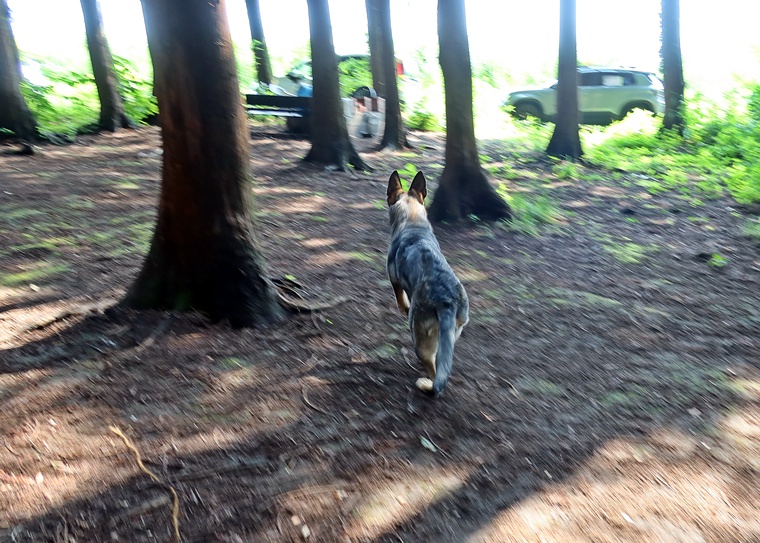
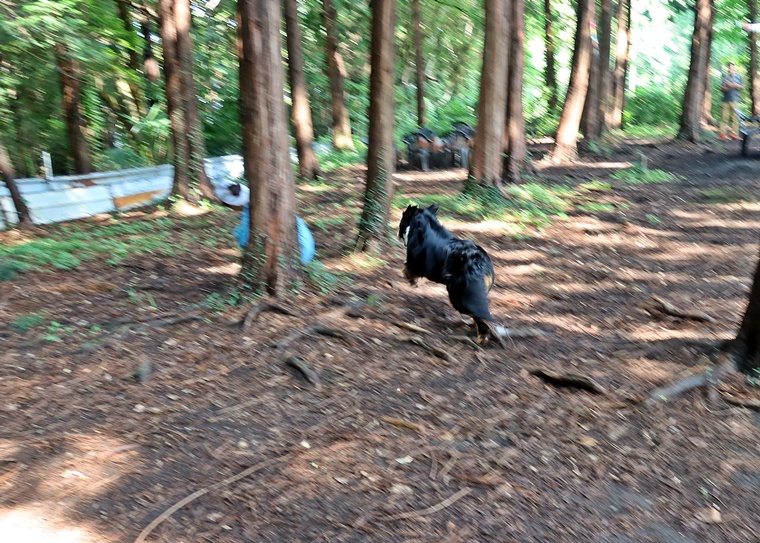
また、ランナウェイでは、犬がヘルパーを目視で探すのではなく、自らセントコーンを捉え、臭気をたどりながら発見へ結び付けるプロセスを理解できるよう設定を工夫しました。臭気の流れを主体的に読み取り、自信を持って追い込んでいく経験を積み重ねることで、将来的な実践捜索に必要となる捜索精度の向上を図ることができました。
今後もそれぞれのUnitの習熟度に応じて段階的に課題を設定し、犬の自主性を引き出しながら、ハンドラーとの連携を深め、より実践的な災害捜索能力の向上を目指してトレーニングを継続していきます。
During the runaway exercises, the training was carefully designed so that the dogs relied on scent rather than visual cues to locate the helper. Instead of searching by sight, the dogs were encouraged to independently acquire the scent cone and follow the odor to the hidden victim.
By repeatedly gaining experience in independently interpreting odor movement and confidently working the scent to its source, the dogs further developed the search accuracy required for future operational deployments.
Training will continue to progress in stages according to the proficiency of each unit, with exercises designed to encourage the dogs’ independence while strengthening teamwork and communication between dog and handler. Through this progressive approach, we aim to further enhance the practical disaster search capabilities of every team.
HRD
HRDでは、事前にエリア内へソースを設定し、実際の捜索を想定したエリアサーチを実施しました。
災害救助犬十日町から参加した1Unitについては、導入トレーニングとして原臭に対する反応を確認しながら、臭気への意識づけと探索意欲の形成を目的とした基礎トレーニングを行いました。犬が原臭を正しく認識し、「臭気を探す」という作業を楽しく学べるよう、成功体験を積み重ねながら進めました。
In the HRD (Human Remains Detection) training, training aids were placed throughout the search area in advance, and the teams conducted area search exercises designed to simulate operational search conditions.
One unit from the Tokamachi Disaster Search Dog Team participated in introductory HRD training. The dog’s response to the target odor was first evaluated, followed by foundational exercises aimed at building odor recognition and developing motivation to search.
Training was structured to allow the dog to correctly associate the target odor with the search task and to develop a positive understanding that locating the odor source is a rewarding activity. By providing repeated successful search experiences, the dog established a solid foundation for future HRD training.
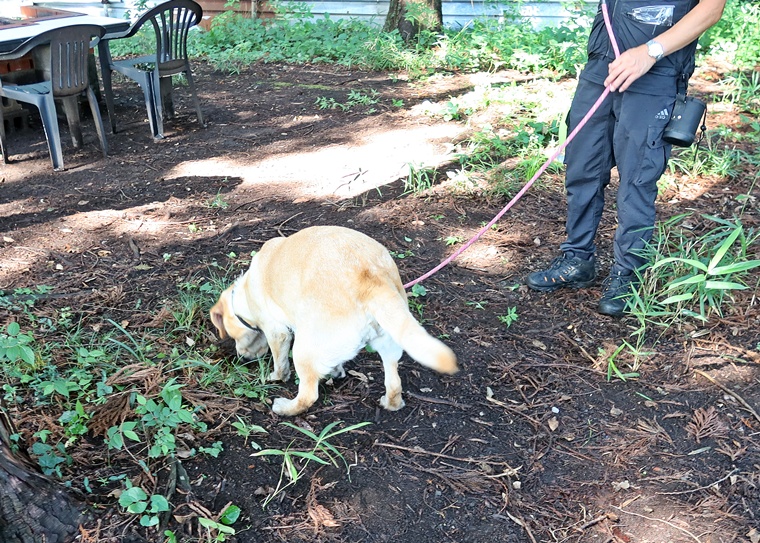
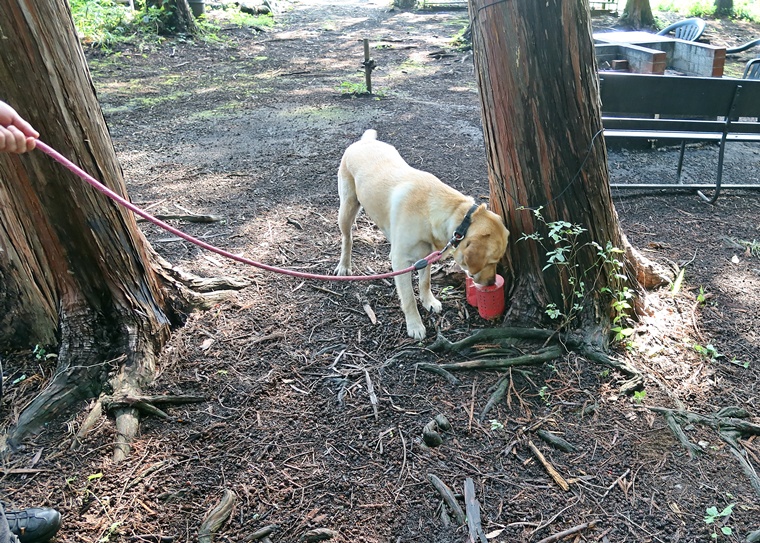
NSAの各Unitについては、エリアサーチを通してハンドリングとTFR(Trained Final Response)の精度を確認するとともに、それぞれの現状の課題を再確認しました。特に、犬が臭気を感知した際に見せる微細な行動変化や、臭気の強弱による反応の違いに対して、ハンドラーがどこまで正確に観察し、適切な判断へ結び付けられているかを重点的に検証しました。
For the NSA units, area search exercises were used to evaluate both handler performance and the reliability of each dog’s Trained Final Response (TFR), while also identifying the current training priorities for each team.
Particular emphasis was placed on assessing the handlers’ ability to accurately recognize and interpret the dogs’ subtle changes in behavior upon encountering target odor, as well as the differences in their responses to varying odor concentrations. Developing the ability to correctly read these behavioral changes and translate them into appropriate tactical decisions remains a key component of effective HRD operations.
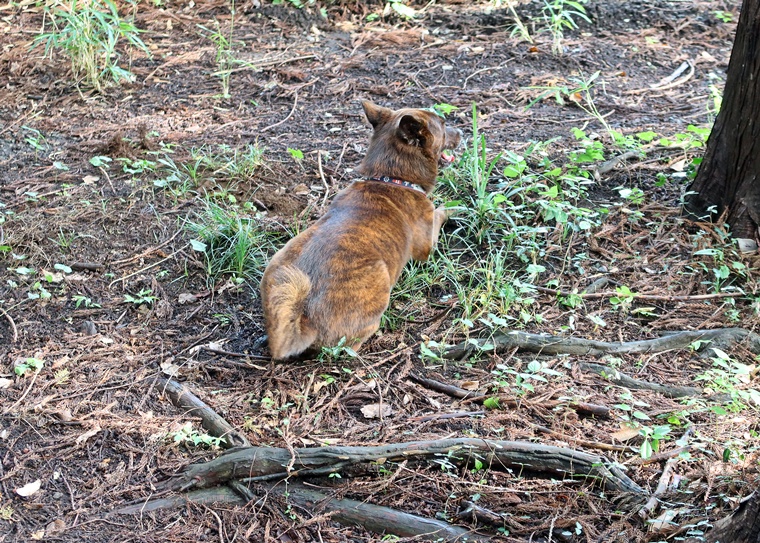
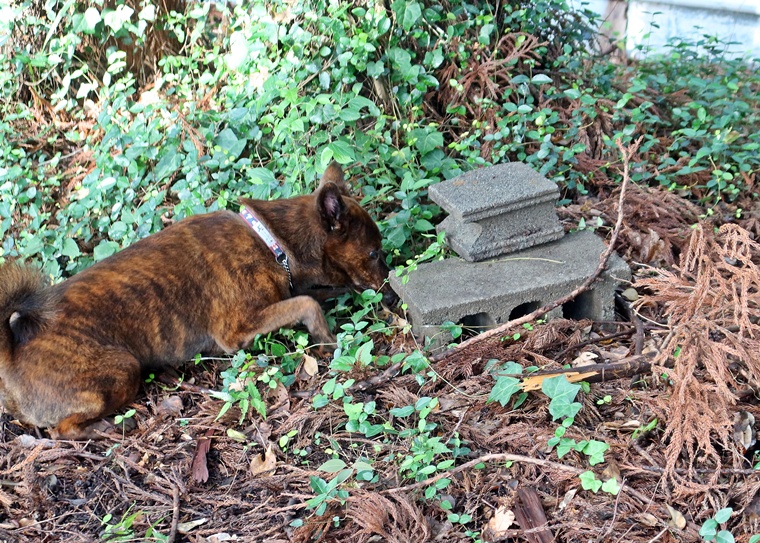
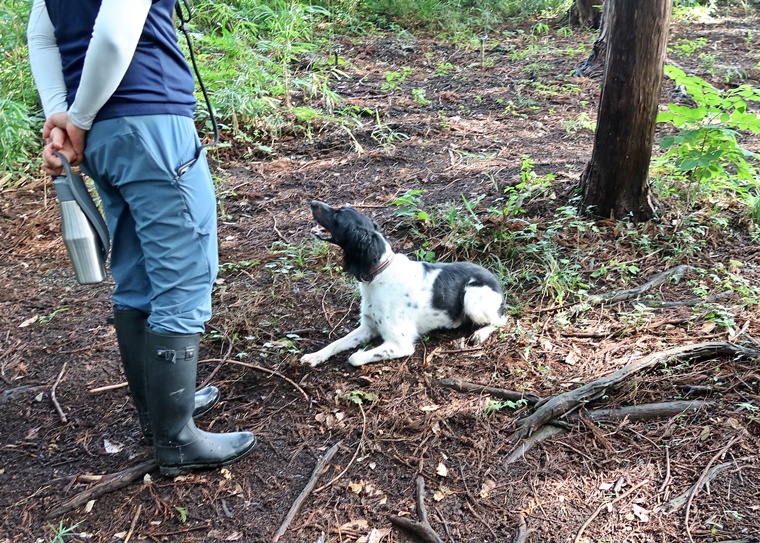
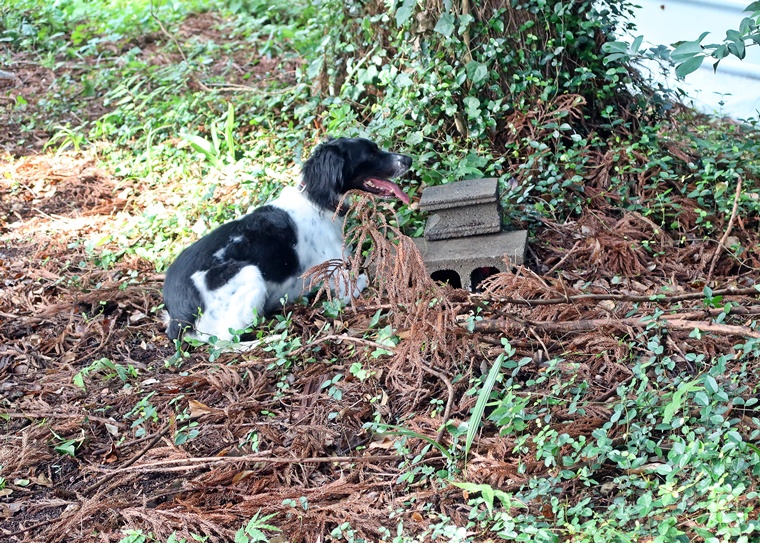
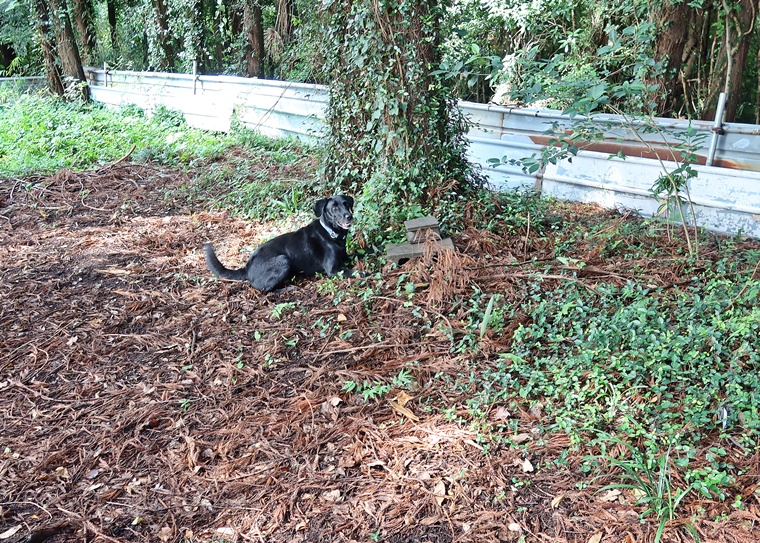
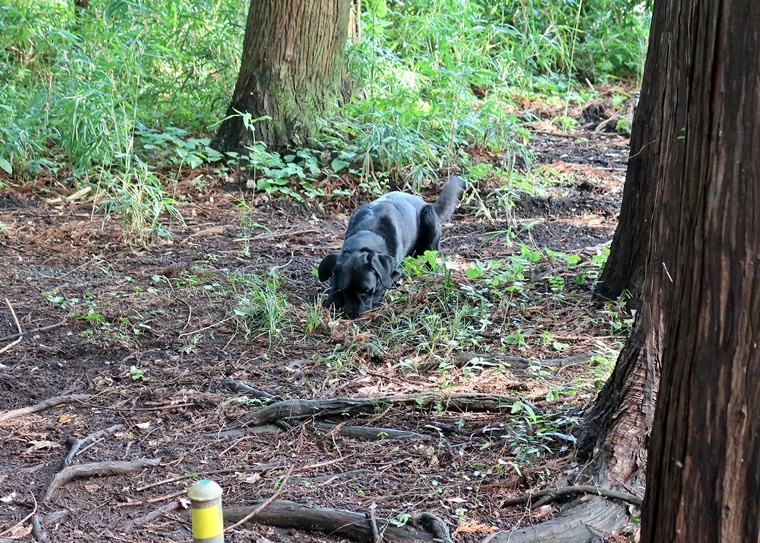
HRDにおいては、犬の優れた嗅覚を最大限に活かすためにも、ハンドラーが犬のわずかな反応を見逃さず、その情報を正確に読み取る観察力と判断力を養うことが不可欠です。今回のトレーニングは、犬の作業能力の向上だけでなく、ハンドラー自身の技術向上にも重点を置いた実践的な内容となりました。
NSAでは今後も、各Unitの習熟度に応じた段階的なトレーニングを継続し、実働現場で求められる犬の高い捜索能力、ハンドラーの的確な判断力、そして安全かつ確実なチーム運用の実現を目指して、継続的な訓練に取り組んでまいります。
In HRD operations, fully utilizing a dog’s exceptional olfactory capabilities depends on the handler’s ability to recognize even the slightest changes in the dog’s behavior and accurately interpret the information they provide. Developing these observation and decision-making skills is therefore essential for effective operational performance.
This training session placed equal emphasis on enhancing the dogs’ operational capabilities and further developing the handlers’ technical skills, resulting in practical exercises that strengthened the performance of the entire team.
NSA will continue to implement progressive, proficiency-based training programs tailored to the development of each unit. Our objective is to further enhance the dogs’ operational search capabilities, the handlers’ ability to make timely and accurate tactical decisions, and the safe, effective deployment of each search team in real-world disaster response operations.
NSAの活動は、民間ボランティアによる行方不明者の捜索活動です。
多くの方々からご支援いただくことで、より速く、より多くの行方不明者捜索にサーチドッグを派遣することができます。皆様のご支援をお願いいたします。
NSA’s activities are carried out by civilian volunteers.
With the support of many individuals, we can deploy search dogs more quickly and to a greater number of missing person cases.
We sincerely ask for your continued support.