NSA Trailing/Disaster/HRD 訓練会レポート_2026.07.12
NSA Trailing/Disaster/HRD Training
2026年7月12日(日曜日)ここ数日は、梅雨終盤らしい高温多湿の気象条件が続いています。今朝も最低気温は予報を上回る27℃、湿度60%という厳しい環境の中でしたが、Trailing/Disaster/HRD訓練会を開催しました。
Trailingでは、各Unitの課題となっている「犬のネガティブ反応をハンドラーが正確に読み取る技術」の向上を目的とした設定を行いました。また、交差点など臭跡が拡散しやすいオープンスペースにおけるハンドリングについても、それぞれのレベルに応じたトレーニングを実施しました。
Disasterでは、暑さの影響を少しでも軽減するため、今回からモナの丘のスペースをお借りして訓練を実施しました。捜索エリア内に複数の要救助者役を配置し、捜索訓練を行いました。見通しの良いエリアであっても、微風かつ高湿度という条件下では臭気の動きが複雑になるため、より丁寧なハンドリングが求められます。初期段階の犬については、ヘルパーへの意欲づけやバークアラートの強化を中心に進めるとともに、チェックマークを活用しながらセントコーンを自主的に捉える動きへの理解を深める設定を取り入れたトレーニングを行いました。
HRDでは、エリア内に2か所のソースを設定し、エリアサーチを実施しました。ハンドリングとTFR(Trained Final Response)の確認を行いながら、各Unitの現状の課題を再確認するとともに、犬の反応に対するハンドラーの読み取り精度について検証を行いました。
NSAでは、今後も各Unitの習熟度に応じた段階的な訓練を継続し、実働現場で求められる犬の作業能力、ハンドラーの判断力、そして安全で確実なチーム運用の向上を目指して取り組んでまいります。
Sunday, July 12, 2026
Over the past several days, we have experienced the hot and humid weather conditions typical of the latter part of Japan’s rainy season. This morning, despite a minimum temperature of 27°C—higher than forecast—and humidity of 60%, we conducted our Trailing, Disaster, and HRD (Human Remains Detection) training sessions.
During the Trailing session, training scenarios were designed to improve each Unit’s ability to accurately recognize and interpret their dog’s negative behavioral changes while working a trail. In addition, handlers practiced techniques for managing scent work in open areas, such as intersections, where scent tends to disperse and become more difficult to interpret. Training objectives were adjusted according to each Unit’s current level.
For the Disaster training, we moved to the Mona no Oka training area to minimize the effects of the summer heat. Search exercises were conducted with multiple role players positioned throughout the search area. Even in an open environment with good visibility, light winds combined with high humidity created complex scent movement, requiring careful and methodical handling.
For dogs in the early stages of training, the focus remained on developing motivation toward the helper, strengthening the bark alert, and encouraging independent movement to locate the scent cone through the use of strategically placed check marks.
During the HRD (Human Remains Detection) session, two odor sources were placed within the search area for area search exercises. Handlers evaluated both handling techniques and each dog’s TFR (Trained Final Response) while reassessing the current training objectives for each Unit. Particular attention was given to improving the handler’s ability to accurately read and interpret the dog’s behavioral changes during the search.
NSA will continue to provide progressive, level-appropriate training for each Unit, with the goal of improving operational canine performance, handler decision-making skills, and the safe and effective deployment of search teams in real-world missions.
Trailing Unit
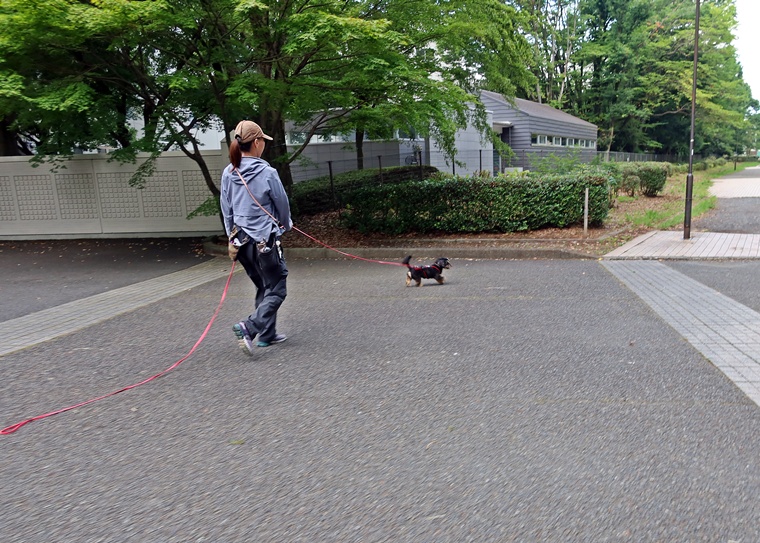
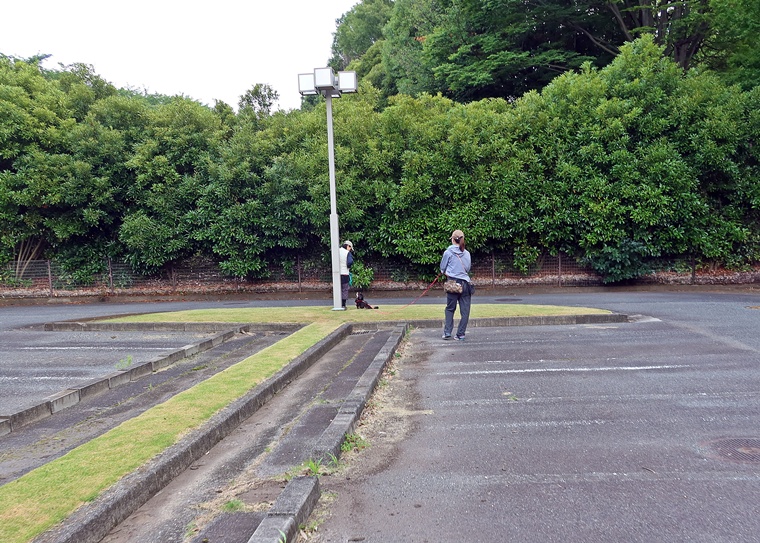
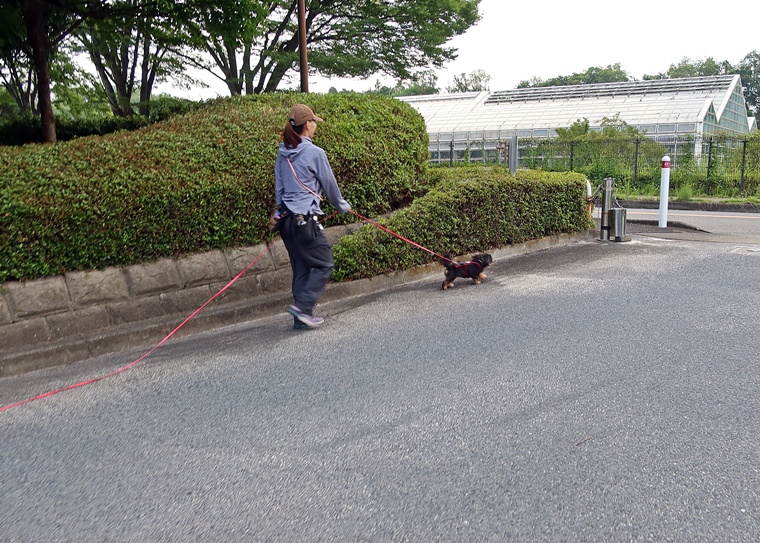
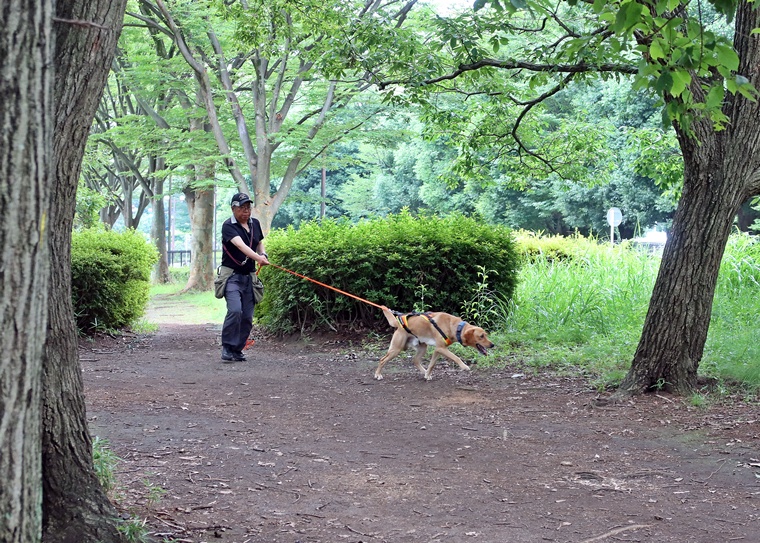
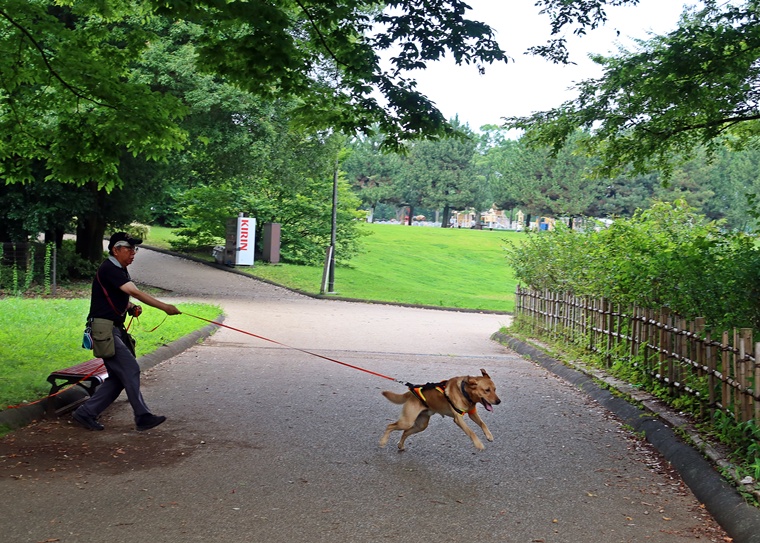
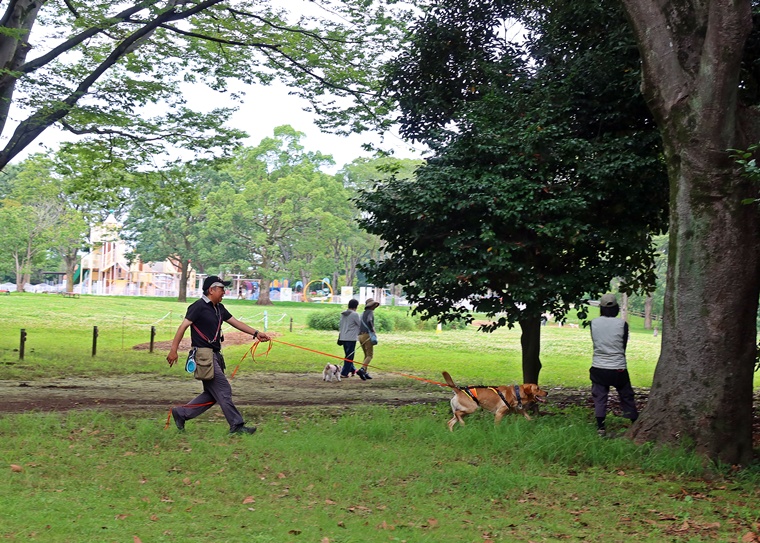
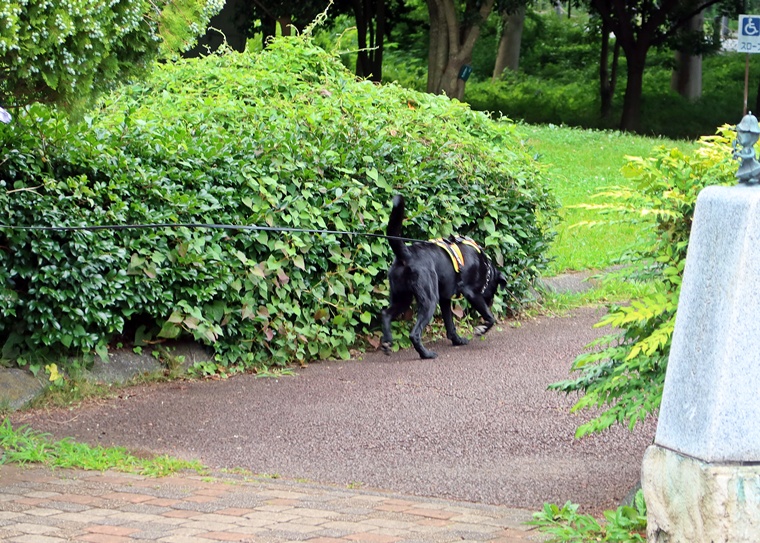
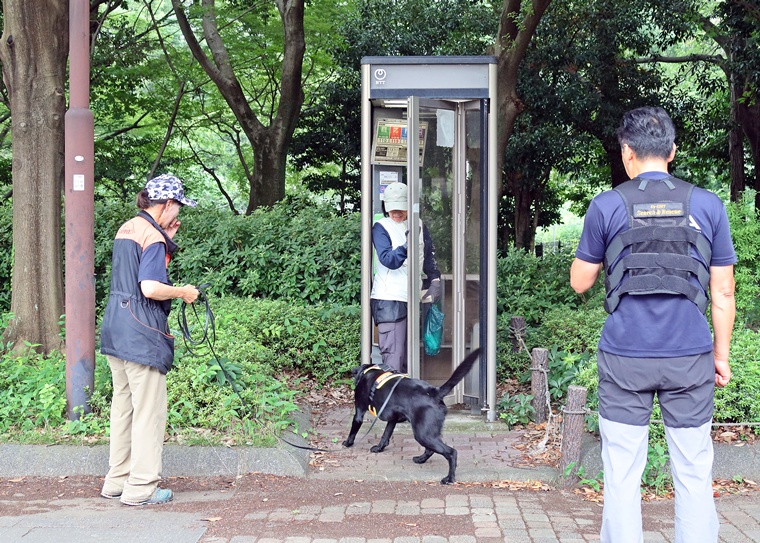
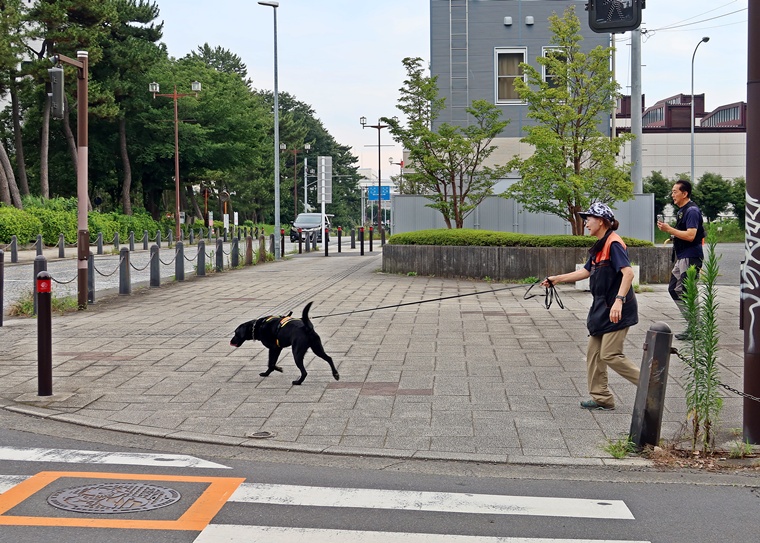
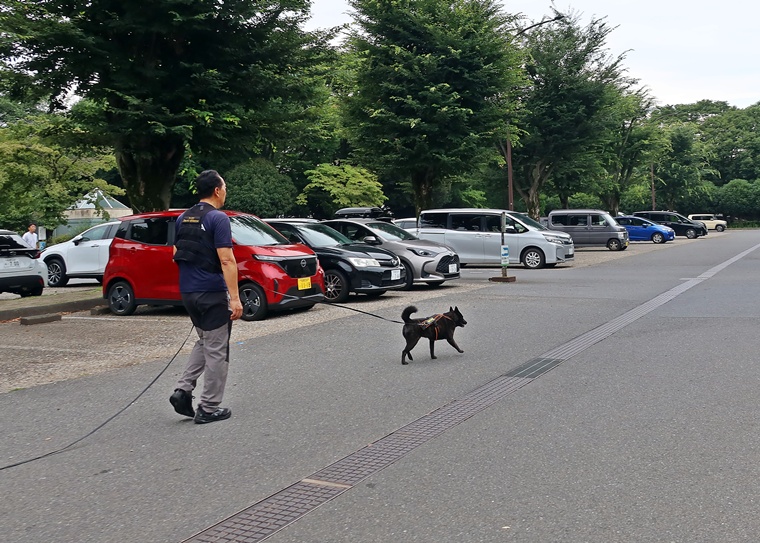
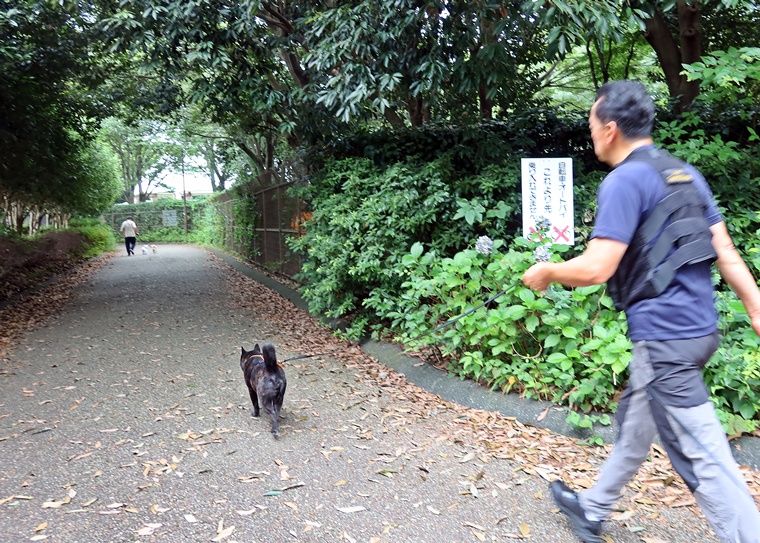
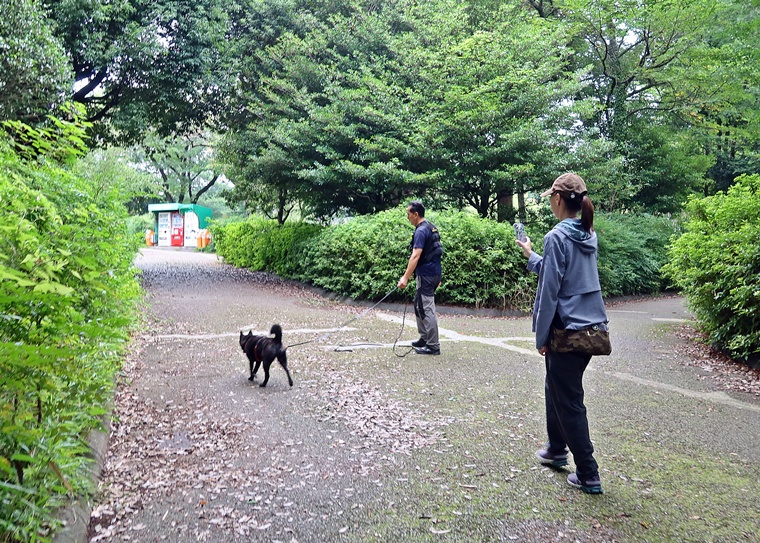
気象条件だけでなく、人や犬などのディストラクションとなる刺激が多い環境下での訓練となりましたが、各Unitとも落ち着いて訓練に取り組むことができていました。
課題として取り組んでいる「犬のネガティブ反応の読み取り」については、犬たちの反応は以前よりも非常に分かりやすく表れるようになっており、臭跡に対する理解や作業意欲の向上など、着実な成長が感じられます。一方で、そのネガティブ反応をハンドラーがどのように読み取り、どのようなハンドリングにつなげていくのか、あるいは単なるディストラクションへの反応なのかを見極める観察力と判断力については、今後さらに向上させていく必要があります。
ブラインド設定で訓練を行うことで、犬本来の反応を繰り返し観察し、その意味を正確に読み取る力を養うことができます。今後もこのようなトレーニングを継続し、実働現場において根拠のある明確な判断と、確実なハンドリングにつなげられるよう取り組んでいきたいと思います。
In addition to the challenging weather conditions, today’s training took place in an environment with numerous distractions, including people and other dogs. Despite these conditions, each Unit remained composed and conducted their training with focus and discipline.
Regarding one of our primary training objectives—the handler’s ability to recognize and interpret the dog’s negative behavioral changes—the dogs are now displaying these behavioral changes much more clearly than before. Their understanding of the scent trail and overall motivation to work have become increasingly stable, demonstrating steady progress.
The next challenge lies with the handlers: accurately interpreting these negative indications, determining the appropriate handling response, and distinguishing between a true scent-related behavioral change and a reaction to environmental distractions. Developing this level of observation and decision-making remains a critical component of future training.
By continuing to use blind training scenarios, handlers are able to observe their dogs’ genuine behavioral responses without prior knowledge of the search problem. Repeated exposure to these situations will continue to strengthen the handler’s ability to accurately read canine behavior and make clear, evidence-based decisions during real operational deployments.
Disaster Unit
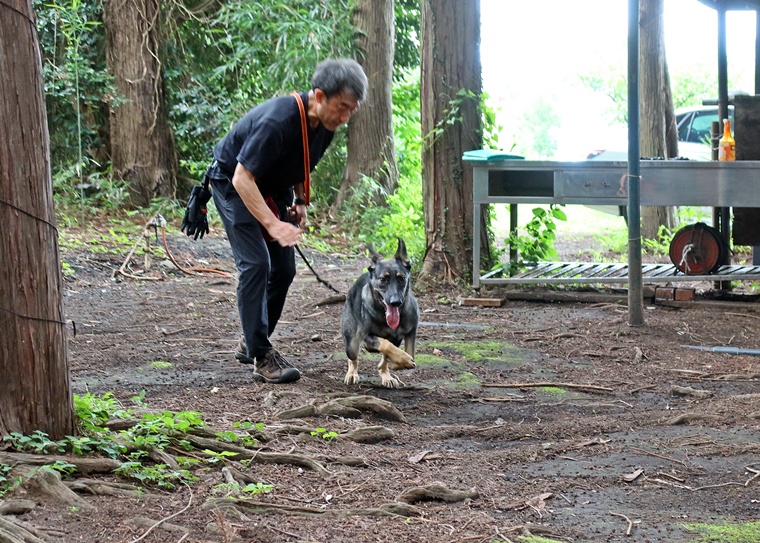
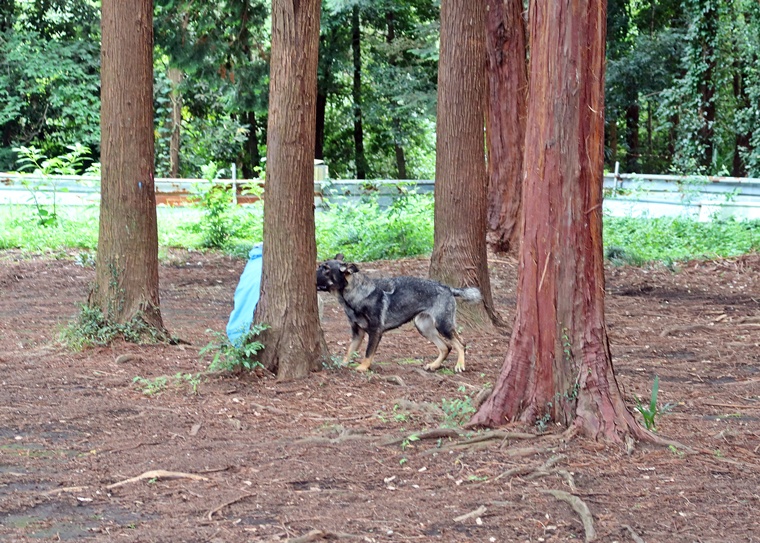
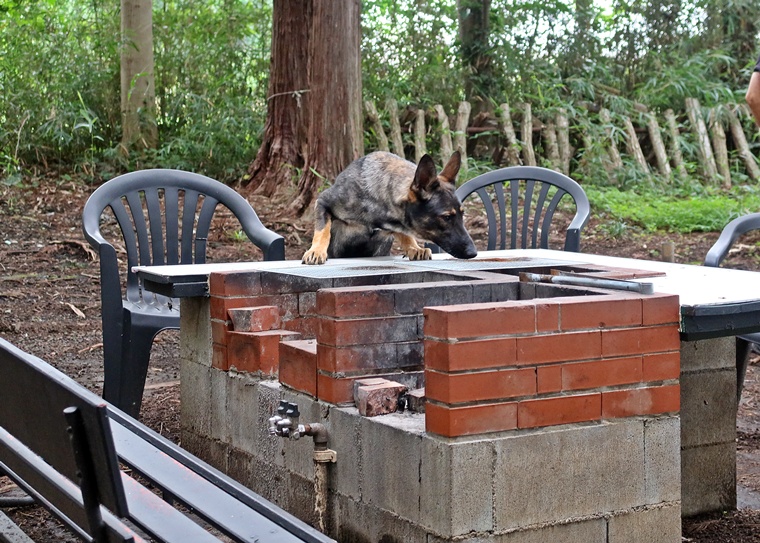
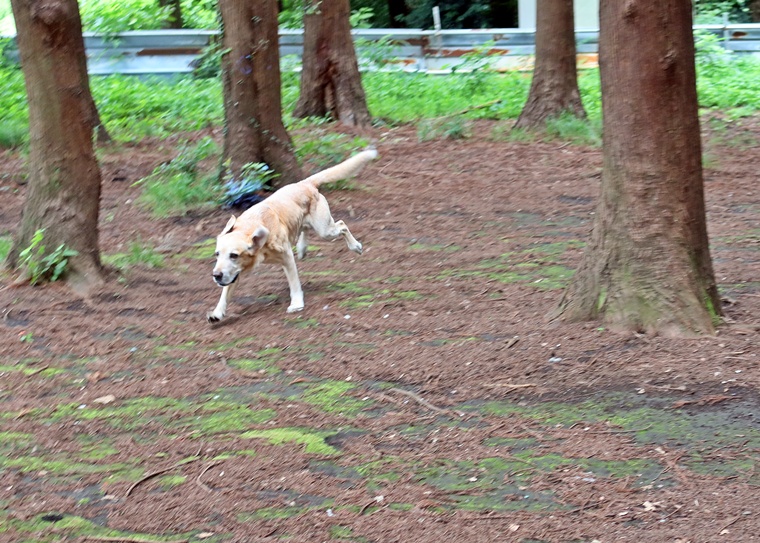
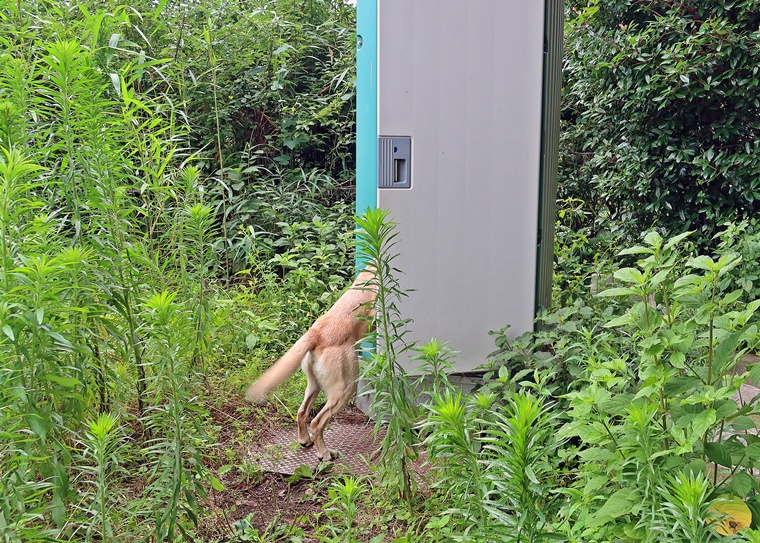
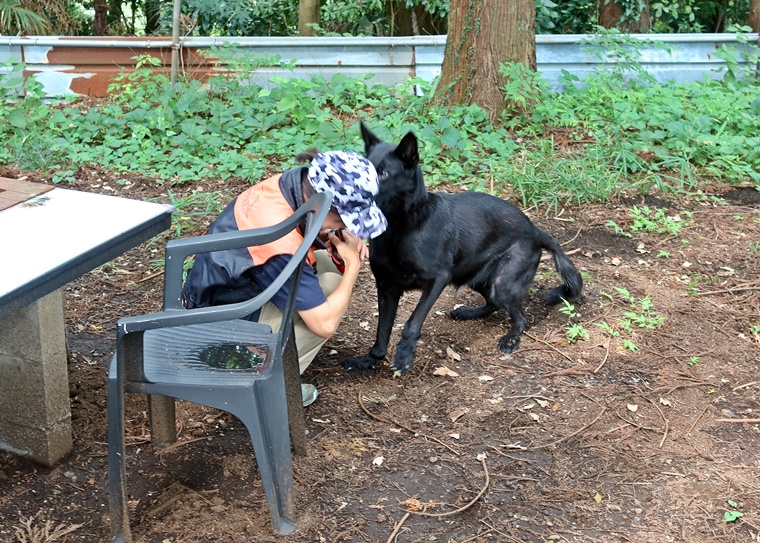
初歩段階の犬は、着実な成長が見られました。バークアラートも素早くなり、今回の訓練ではヘルパーから流れるセントコーンを自発的に捉えようとする動きが見られるようになりました。
チェックマークを用いた訓練では、犬によっては予測が外れたことで集中力や作業意欲が一気に低下し、ディストラクションへ意識が向いてしまうケースもあります。しかし、今回はヘルパーへの意識を高く維持しながら、最後まで集中して捜索を継続することができていました。
一方、アドバンスクラスのUnitについては、見通しの良いエリアでの捜索であったこともあり、ハンドラーのハンドリングに対する意識がやや低く、捜索時間が延びたことで、本来犬が持っている能力を十分に引き出すことができない場面も見られました。捜索条件を的確に把握し、その場の風向や地形、臭気の流れを踏まえた捜索戦略を組み立て、それをハンドリングに反映させることが重要です。今後は、犬の能力を最大限に引き出せるよう、状況判断とハンドリング技術のさらなる向上を目指して取り組んでいきたいと思います。
The dog in the foundation stage demonstrated steady progress throughout the training. Their bark alerts became quicker and more confident, and during this session they began to independently recognize and work into the scent cone originating from the helper.
During the check-mark exercises, it is not uncommon for some dog to lose concentration and working motivation when their expectations are not met, causing their attention to shift toward environmental distractions. However, in this session, the dogs maintained a strong focus on the helper and were able to sustain their concentration and continue searching until the end.
In contrast, for the Advanced Units, the open visibility of the search area appeared to reduce the handlers’ awareness of effective handling. As a result, search times became longer, and there were situations where the dogs’ full working potential was not fully utilized.
It is essential for handlers to accurately assess the search conditions and develop an appropriate search strategy based on factors such as wind direction, terrain, and scent movement, then translate that strategy into effective handling. Moving forward, we will continue to refine situational awareness and handling skills so that each dog’s working ability can be maximized during operational deployments.
HRD Unit
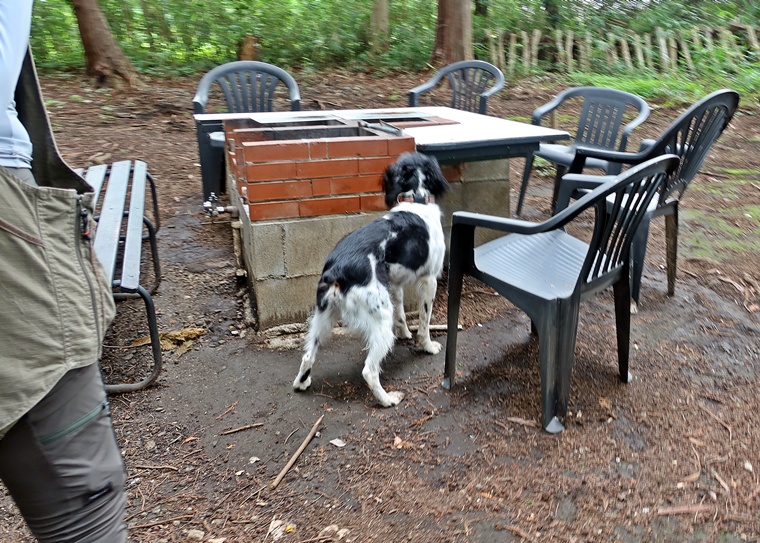
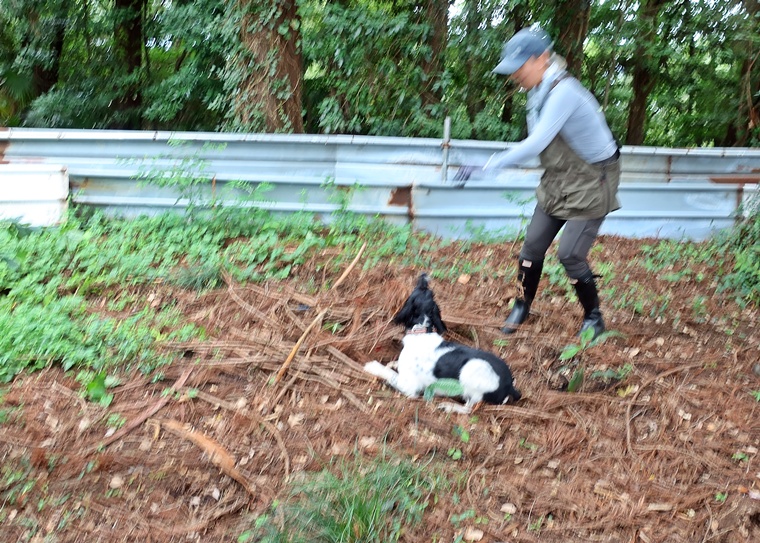
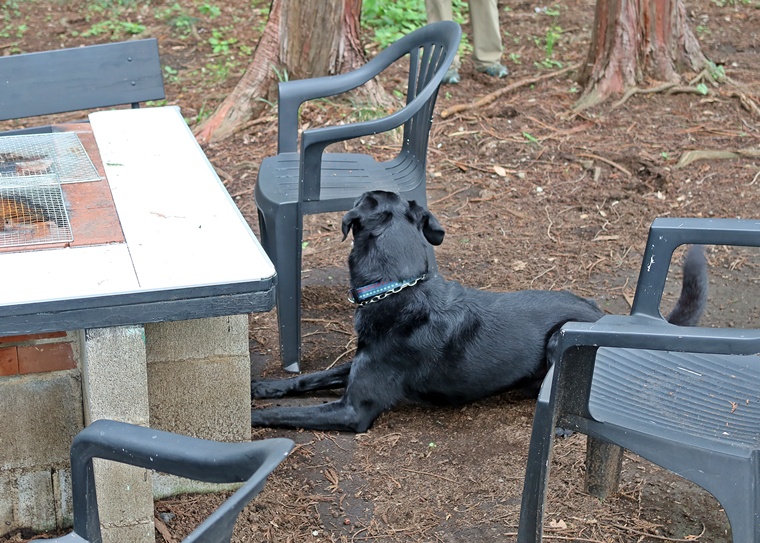
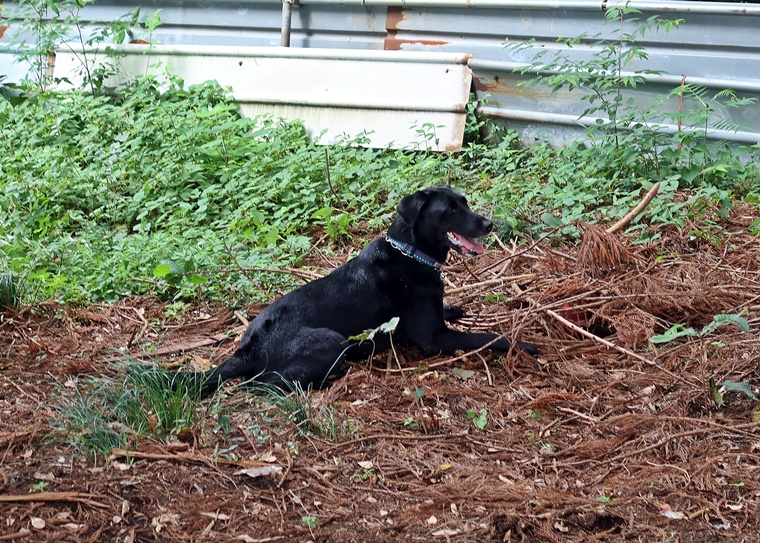
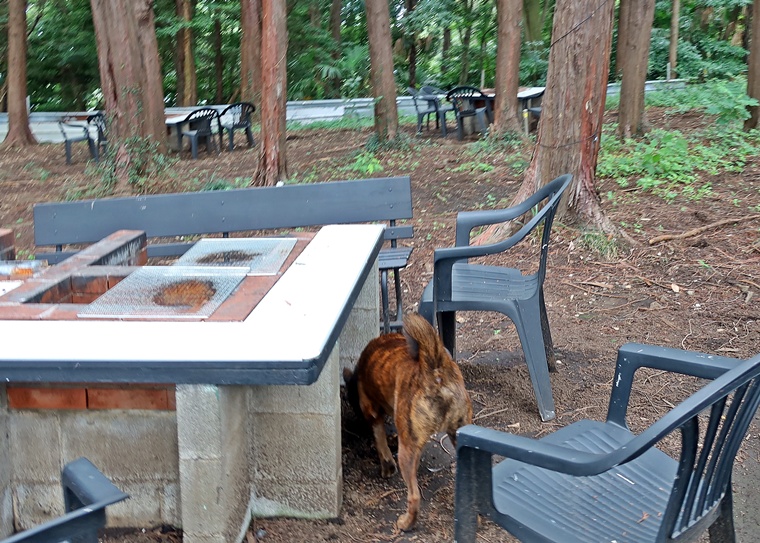
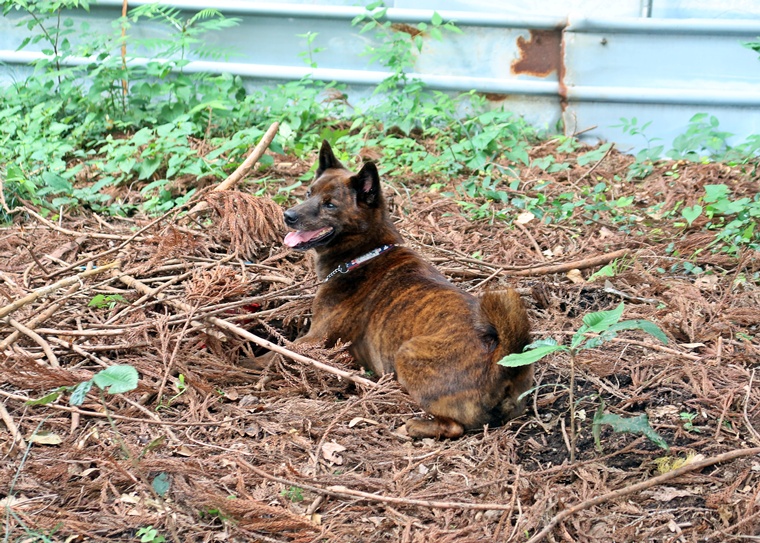
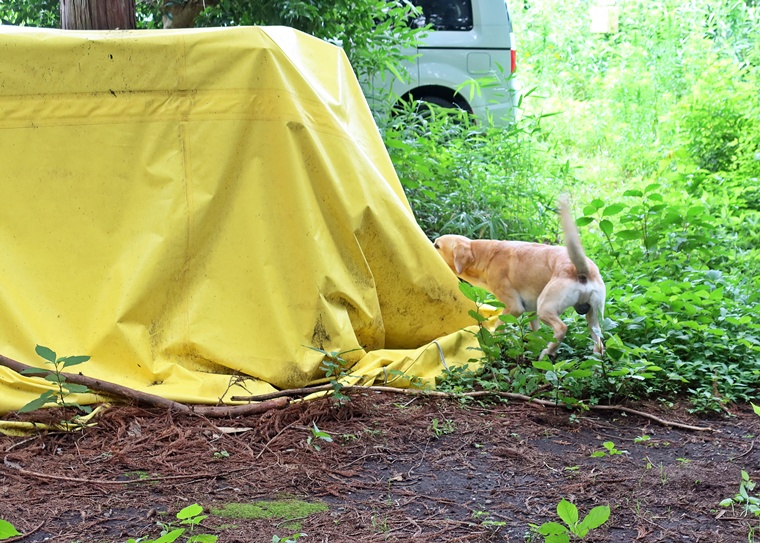
今回の設定は、ソースそのものを視認できず、臭気のみを確認できる設定と、障害物によってソースが覆われている設定での捜索訓練を実施しました。
各Unitともソースに対して確実な反応を示していましたが、安定したTFR(Trained Final Response)までには至らない場面も見られ、今後も継続したトレーニングが必要であると感じられました。
また、各Unitにはそれぞれ異なる捜索スタイルや作業特性があります。その長所を最大限に活かすためには、ハンドラーが犬の反応を正確に読み取り、それぞれの特性に応じた明確で一貫性のあるハンドリングを組み立てていくことが重要です。今後も実践的な設定の中で経験を積み重ね、より安定したTFRと効率的な捜索につなげられるよう取り組んでいきたいと思います。
This training session featured two search scenarios: one in which the source itself was completely concealed and could only be located through odor, and another in which the source was hidden behind an obstacle, requiring the dogs to work through a more complex scent picture.
Each Unit demonstrated clear recognition of the source and produced reliable indications. However, achieving a consistent and stable TFR (Trained Final Response) remains a training objective, and continued practice will be necessary to strengthen reliability under these conditions.
Each Unit also demonstrated its own unique search style and working characteristics. To maximize each dog’s strengths, handlers must accurately interpret their dog’s behavior and apply clear, consistent handling that complements the individual working style of the team. Moving forward, we will continue to develop practical training scenarios that improve both handler decision-making and the reliability of the dog’s final response under operational conditions.
NSAの活動は、民間ボランティアによる行方不明者の捜索活動です。
多くの方々からご支援いただくことで、より速く、より多くの行方不明者捜索にサーチドッグを派遣することができます。皆様のご支援をお願いいたします。
NSA’s activities are carried out by civilian volunteers.
With the support of many individuals, we can deploy search dogs more quickly and to a greater number of missing person cases.
We sincerely ask for your continued support.

関連記事
-
 NSA Trailing/Disaster/HRD 訓練会レポート_2026.10.11
 -
NPO法人 北東北捜索犬チーム Trailig/HRD Workshop_2026.10.04
-
2026.11.03/NPO法人 北東北捜索犬チーム Trailing/HRD 適性試験
-
2026.10.25/ NSA (Trailig/HRD/Disaster)訓練会(相模原市内)
-
2026.10.11/ NSA (Trailig/HRD/Disaster)訓練会(相模原市内)ー終了しましたー
-
NSA Trailing/Disaster/HRD 訓練会レポート_2026.09.27
-
2026.10.10/REDOG MRT プレ試験ー終了しましたー
-
2026.10.04/NPO法人 北東北捜索犬チーム Trailing/HRD Workshopー終了しましたー