NSA Trailing/Disaster/HRD 訓練会レポート_2026.06.14
NSA Trailing/Disaster/HRD Training
2026年6月14日(日曜日)、Trailing/Disaster/HRD訓練会を開催しました。
Trailingでは、基礎となるモチベーションランを含め、物品と臭跡の関連付けの確認を行いました。また、屈折やオープンスペースにおける臭跡への反応、ディストラクション環境下でのハンドリングなどを設定し、各ユニットの反応や今後の課題について確認を行いました。臭跡へのコミットメントや環境条件による影響を観察しながら、それぞれのレベルに応じたトレーニングを実施しました。
Disasterでは、捜索エリア内に複数の要救助者役が存在する条件下での捜索を行い、要救助者を特定した後の確認作業を含めた、より実働を意識したハンドリングの確認を行いました。初期段階の犬については、ヘルパーへの意欲づけやバークアラートの強化を中心に進めるとともに、閉鎖空間内の要救助者役に対する告知行動の確認と、ハンドラーによる適切な評価・強化についても取り組みました。
HRDでは、2つの捜索エリアを設定し、捜索能力とTFR(Trained Final Response)の確認を行いました。複数の障害物をクリアしながら原臭を特定する設定や、原臭の密閉度を高めた条件下での捜索を実施し、犬の反応とハンドラーの読み取り精度について検証を行いました。環境条件や臭気の変化を考慮しながら、より正確なコミットメントと告知行動を引き出すためのトレーニングとなりました。
NSAでは、今後も各ユニットの段階に応じた訓練を継続し、実働現場で求められる犬の作業能力、ハンドラーの判断力、そして安全なチーム運用の向上を目指して取り組んでまいります。
On Sunday, June 14, 2026, NSA conducted a Trailing / Disaster / HRD Training Session.
In the Trailing training, teams worked on foundational motivation runs and reinforced the association between scent articles and human scent trails. Training scenarios included turns, scent behavior in open spaces, and handling under distraction-rich environments. Each unit’s responses were evaluated to identify strengths and future training objectives. Particular attention was given to scent commitment, environmental influences, and the handler’s ability to accurately interpret and support the dog’s work.
In the Disaster training, teams conducted searches in scenarios involving multiple victim role players within the search area. Handlers practiced victim confirmation procedures following identification, emphasizing operationally relevant search strategies and handling skills. For beginner-level dogs, training focused on building motivation toward helpers, strengthening bark alerts, and developing clear indications for victim role players located within confined spaces. Handlers also worked on proper timing and reinforcement of alert behaviors.
In the HRD training, teams completed searches in two separate search areas while evaluating search performance and TFR (Trained Final Response). Scenarios included locating target odor in environments containing multiple obstacles as well as searches involving highly concealed odor sources. The session provided an opportunity to assess the dogs’ responses, odor commitment, and the handlers’ ability to accurately read and interpret changes in behavior under varying search conditions.
NSA will continue to provide progressive training tailored to each team’s developmental stage, with the goal of improving operational search capabilities, handler decision-making, and safe, effective team deployment in real-world environments.
Trailing Unit
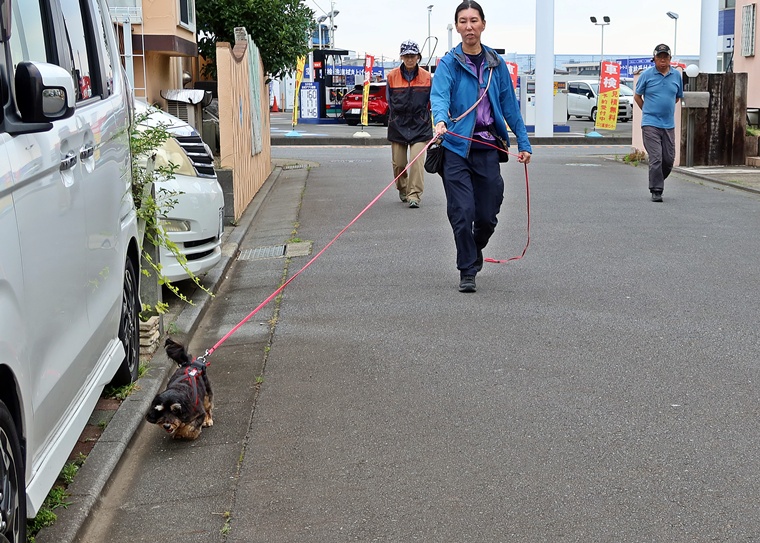
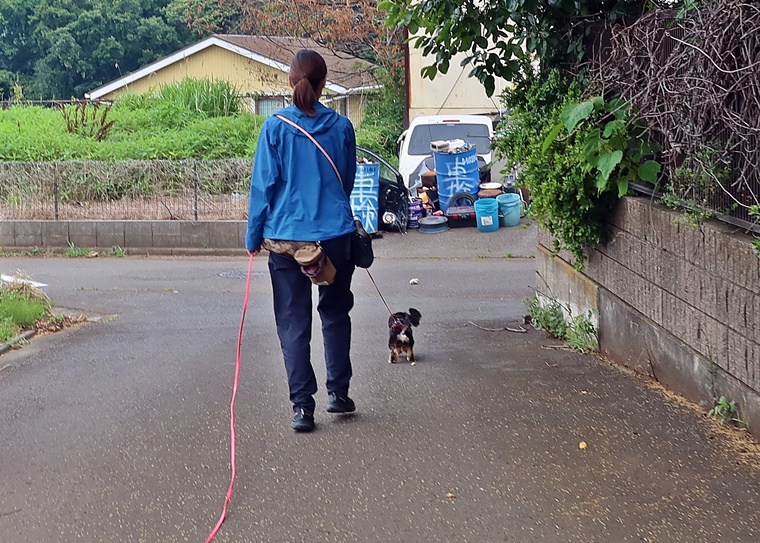
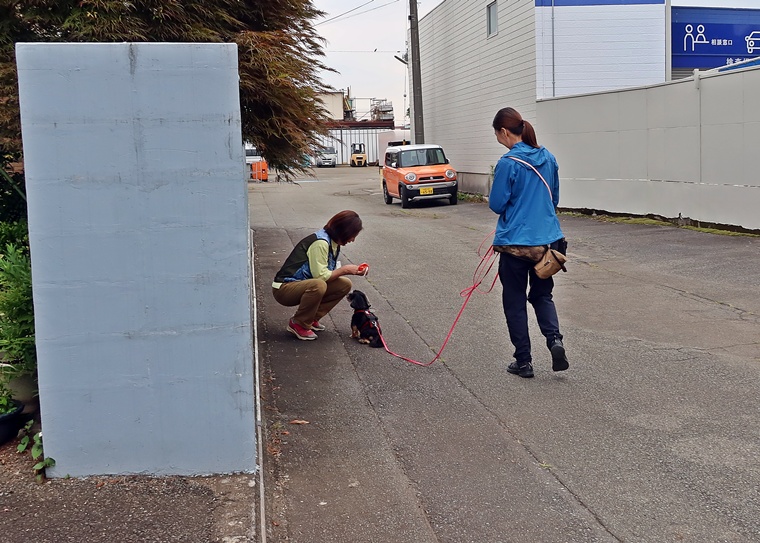
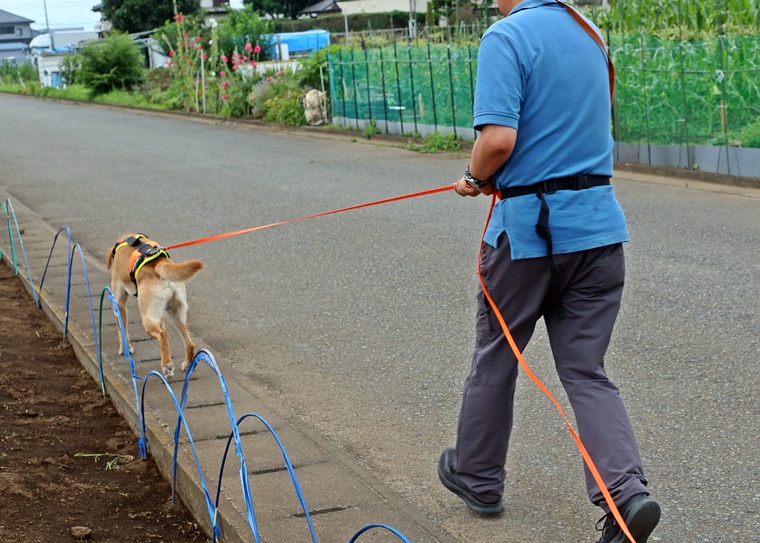
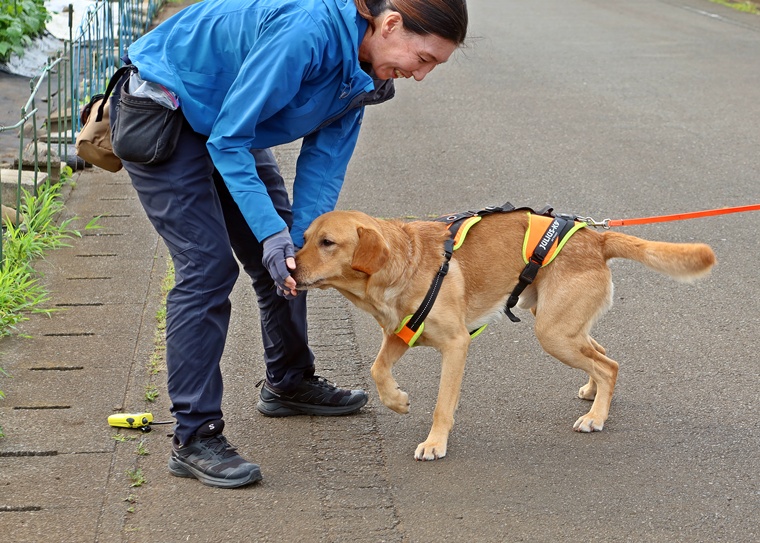
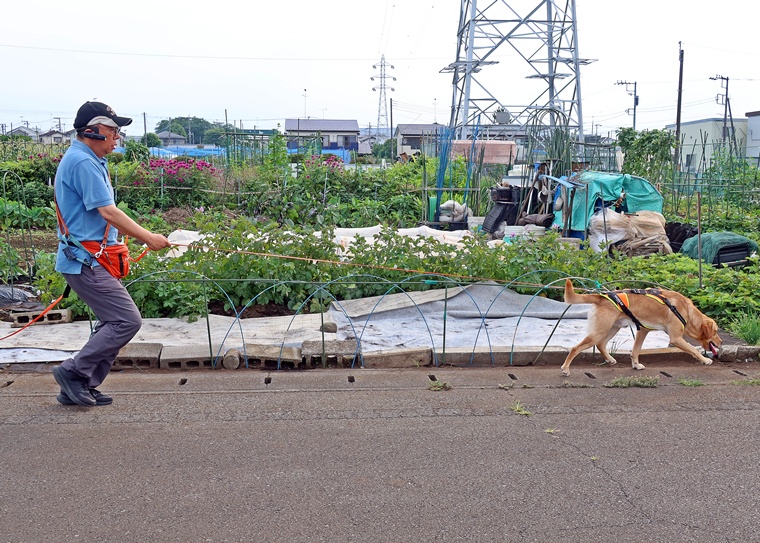
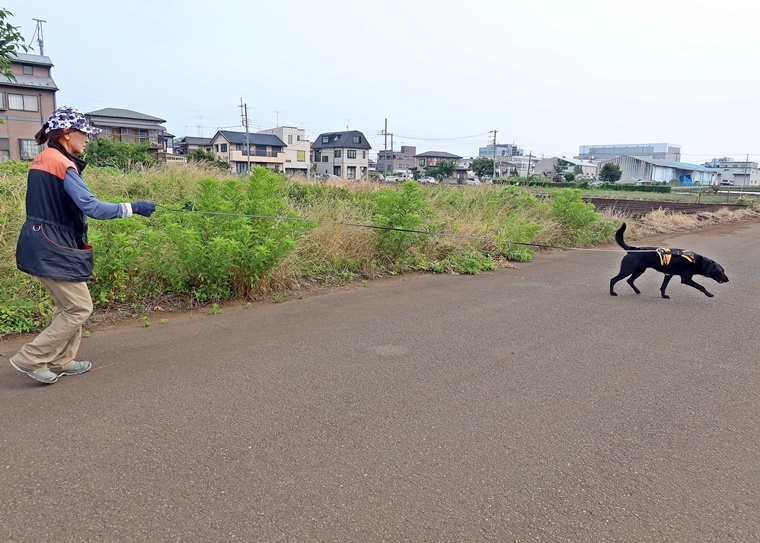
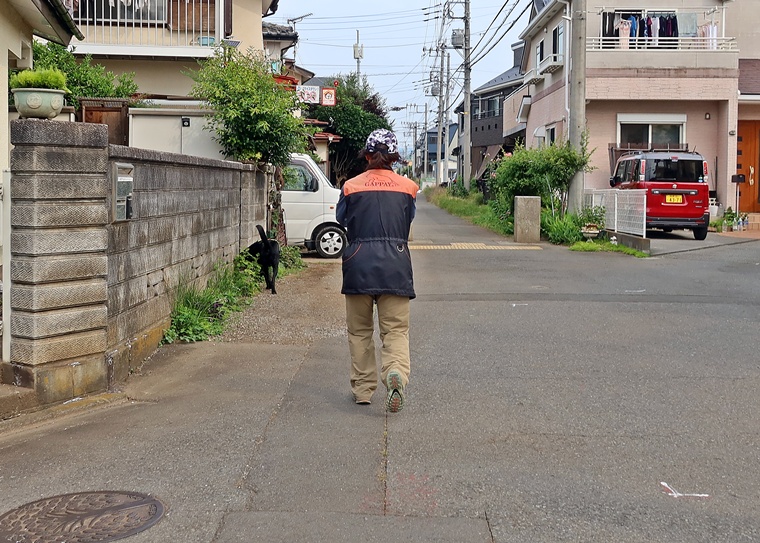
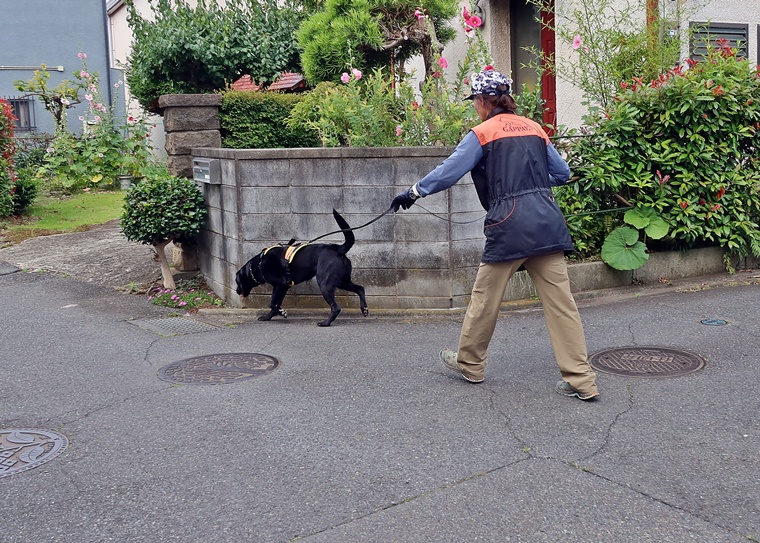
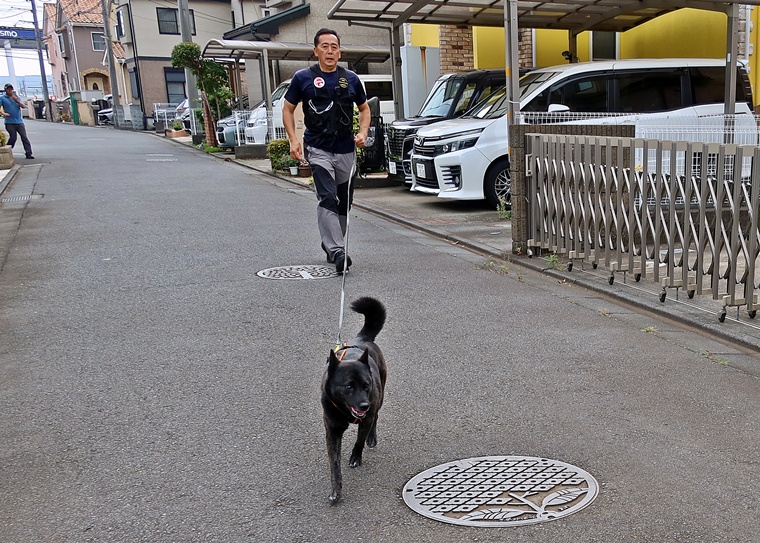
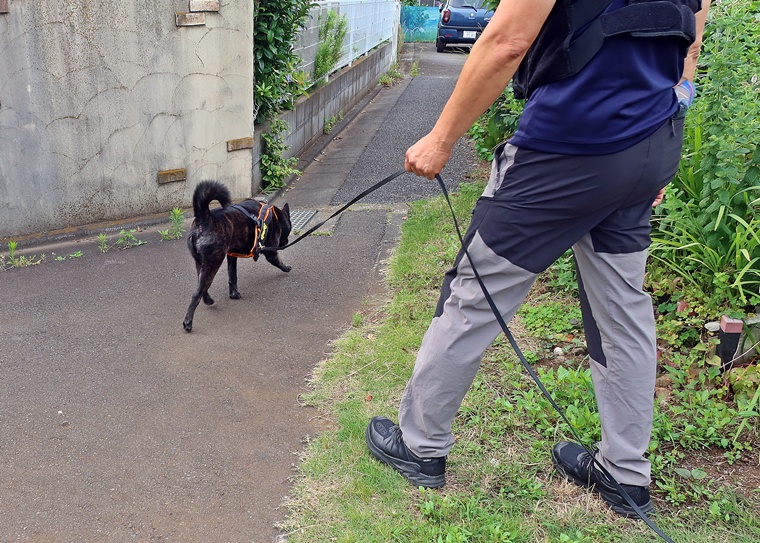
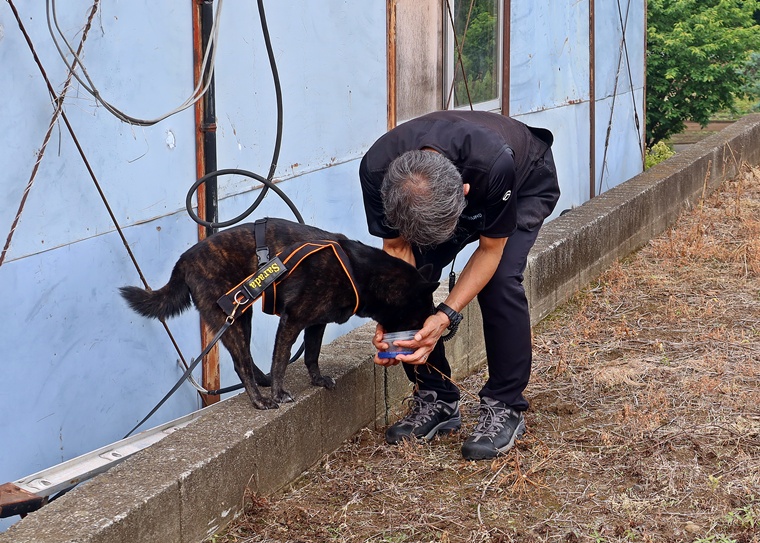
Trailingでは、モチベーションランにおけるポジティブ反応や、物品に対する理解が全体的に安定してきています。先日の適性試験に合格したユニットについては、基礎を大切にしながらも、次のステップアップにつながる要素を設定の中に取り入れ、段階的にトレーニングを進めました。
また、ヘルパーに対するTFR(Trained Final Response)の強化も今後の重要な課題の一つです。そのため、ポジティブ反応だけでなく、ネガティブ反応への理解を深めながら、並行してトレーニングを進めていく必要があります。
犬が発するさまざまな情報をどれだけ正確に読み取り、適切な判断につなげられるか。このハンドラーの観察力と分析力こそが、Trailingの難易度の高さであり、同時に大きな魅力でもあります。今後も犬の反応を丁寧に観察しながら、より精度の高いチームワークの構築を目指していきたいと思います。
In Trailing, positive responses during motivation runs and the dogs’ understanding of scent articles have become increasingly stable across the units. For the teams that recently passed the NSA Aptitude Test, training was progressed gradually by maintaining a strong foundation while introducing elements designed to support the next stage of development.
Strengthening the TFR (Trained Final Response) to the helper remains one of the important training objectives moving forward. To achieve this, handlers must develop a deeper understanding not only of positive responses, but also of negative responses, and continue working on both aspects in parallel.
How accurately a handler can read the information provided by the dog and translate those observations into appropriate decisions is at the very core of Trailing. The handler’s observation skills and analytical ability are what make Trailing both challenging and rewarding.
By continuing to carefully observe each dog’s behavior and responses, we aim to develop more precise teamwork and a deeper understanding between dog and handler as training progresses.
Disaster Unit
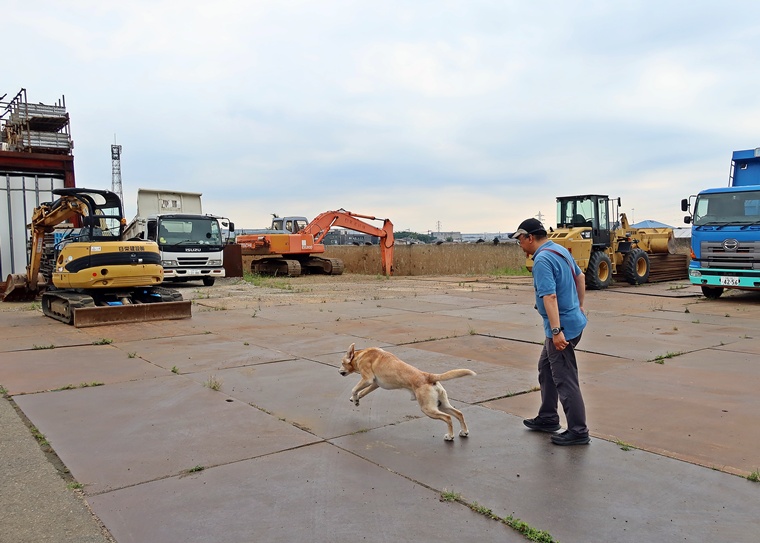
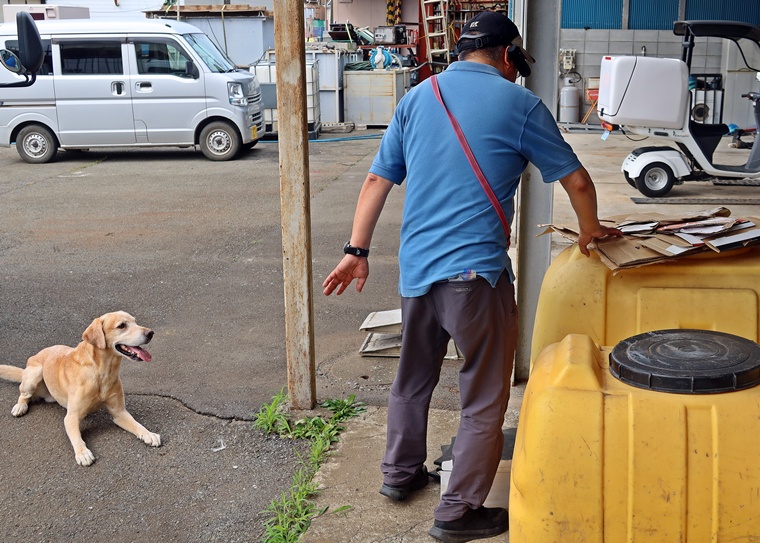
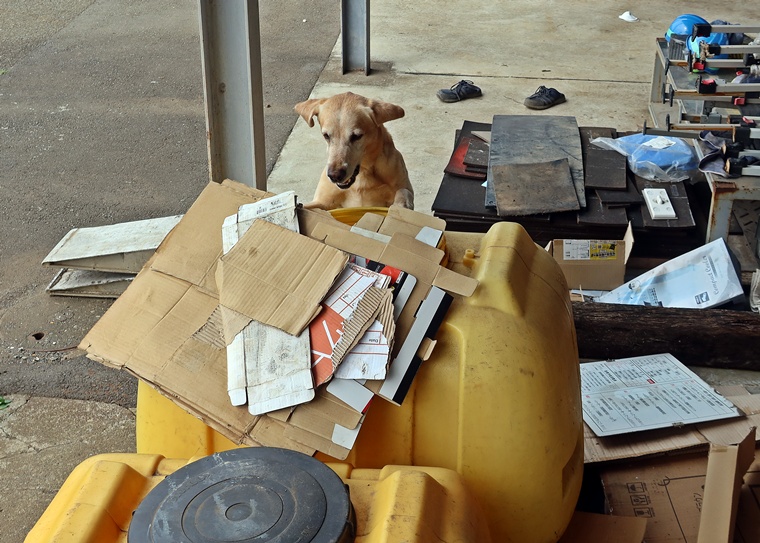
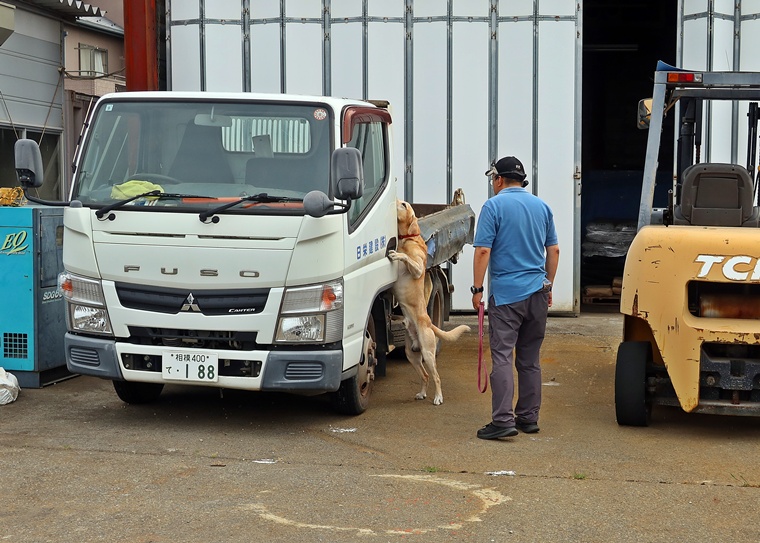
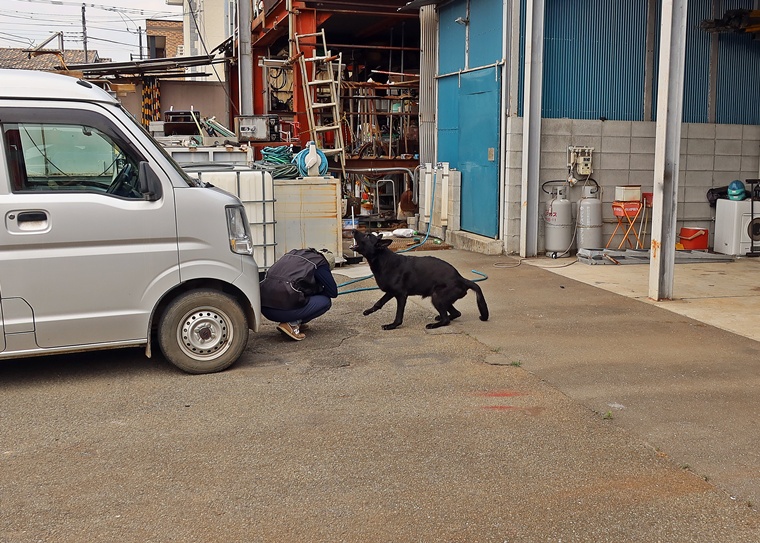
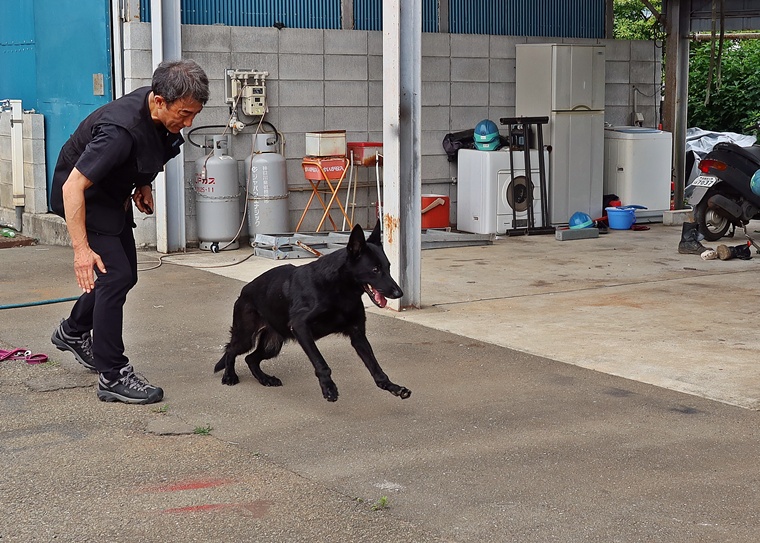
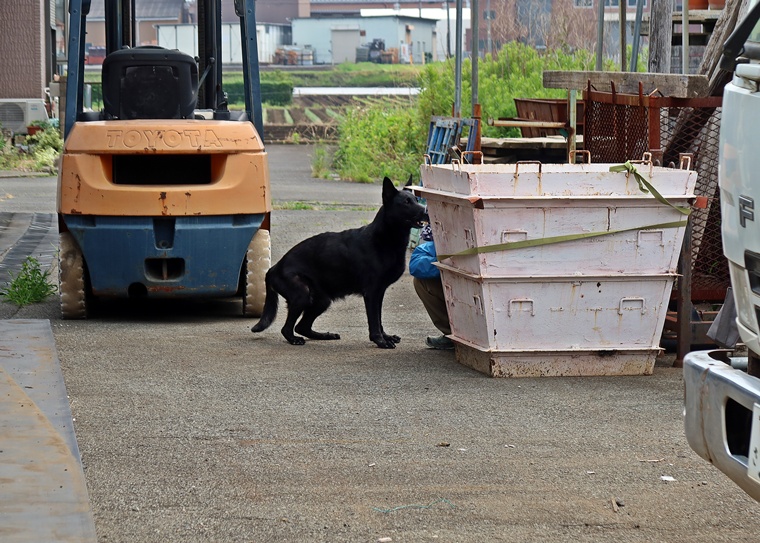
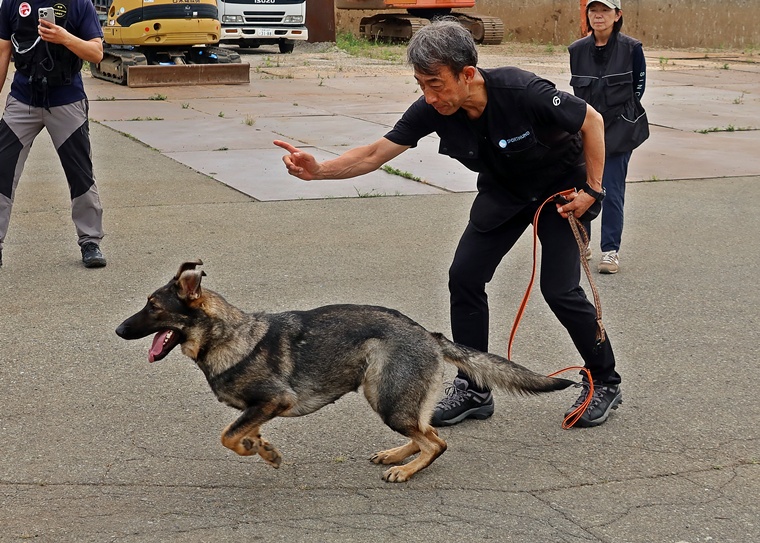
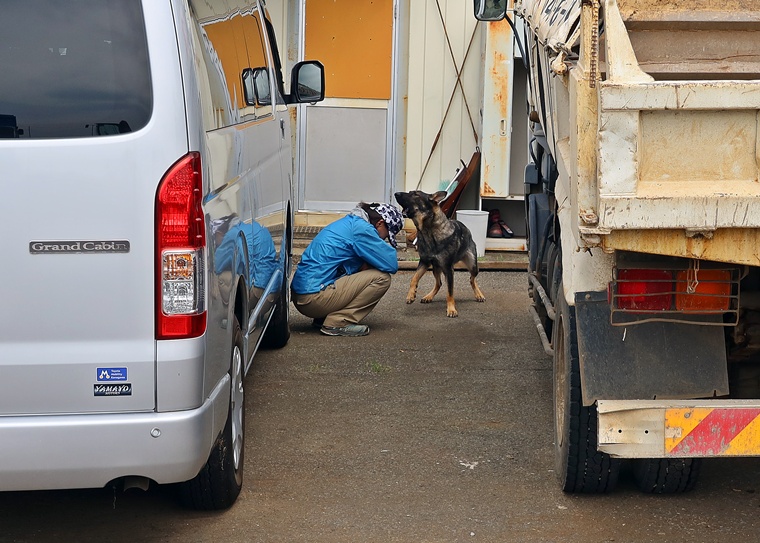
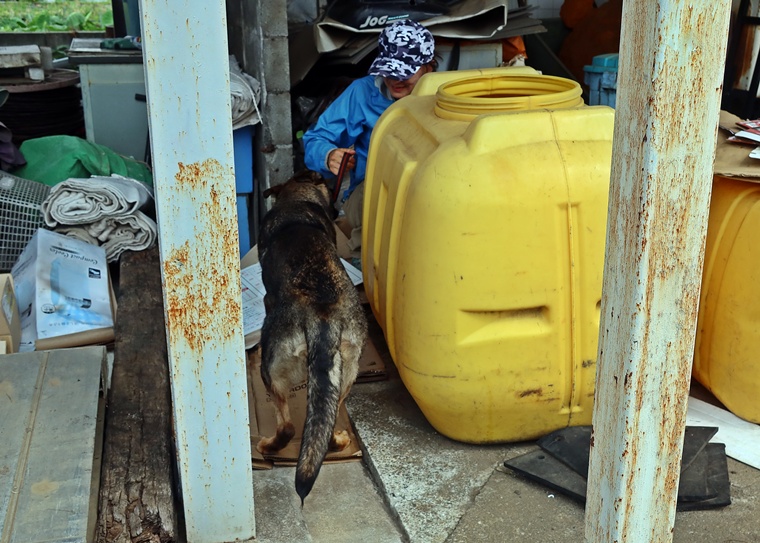
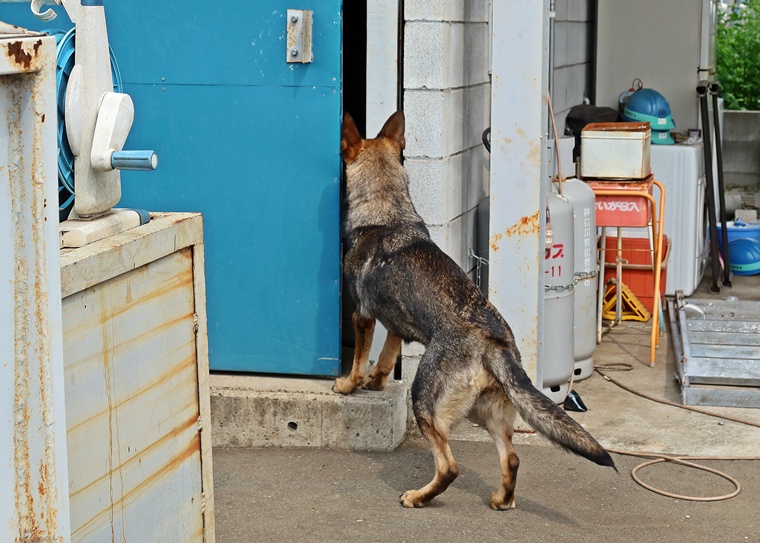
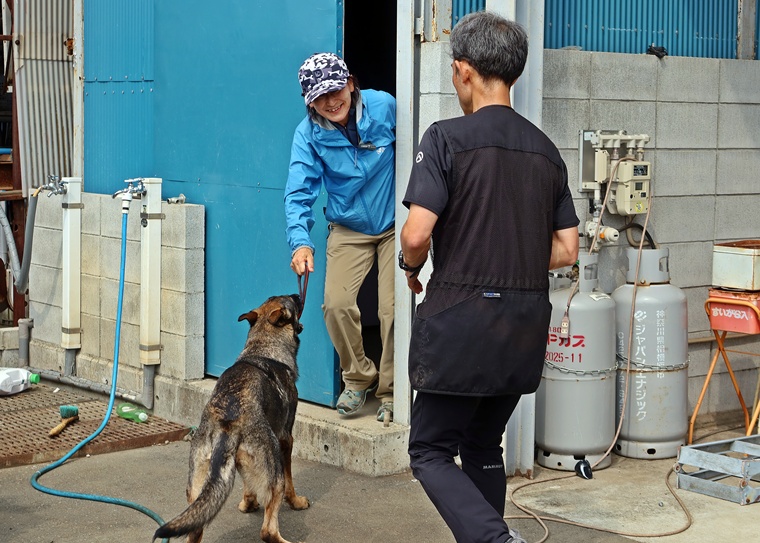
Disasterでは、認定犬について、より実働を想定した訓練を実施しました。犬が要救助者を発見し告知を行った後、ハンドラーが要救助者の確認作業を行う一連の流れの中で、犬を適切にコントロールする能力は、現場で冷静な判断を行う上で必要不可欠な要素となります。
また、犬の反応を正確に読み取るためには、セントコーンへの理解を深めることはもちろん、ハンドラー自身の観察力を高めることも重要です。犬がどのような情報を得て行動しているのかを理解しながら、より精度の高いハンドリングを目指していきます。
初歩段階の犬については、ヘルパーに対する意欲の向上と、バークアラートの安定性を高めることを目的にトレーニングを行いました。若さや高い意欲から待機中に吠えが見られる場面もありますが、作業時だけでなく待機時にも冷静さを維持できることは、今後のステップアップに向けて大切な要素となります。
また、閉鎖空間内の要救助者に対する告知や、ヘルパーから形成されるセントコーンへの反応についても、今後の重要なトレーニング課題です。基礎を大切にしながら、犬の理解と経験を積み重ね、確実な告知行動につなげていきたいと思います。
In Disaster training, certified dogs participated in scenarios designed to more closely reflect operational deployments. Once a dog located and alerted on a victim role player, handlers were required to conduct victim confirmation procedures while maintaining appropriate control of their dog. The ability to manage the dog throughout this sequence is an essential skill for making calm and effective decisions in real-world search operations.
Accurately interpreting a dog’s behavior requires not only a solid understanding of scent cone dynamics, but also well-developed observation skills on the part of the handler. By learning to recognize how the dog is acquiring and processing scent information, handlers can develop more precise and effective handling techniques.
For beginner-level dogs, training focused on increasing motivation toward helpers and improving the stability of the bark alert. Due to their youth and enthusiasm, some dogs displayed vocalization while waiting; however, learning to remain calm during periods of inactivity is just as important as performing effectively during active search work. Developing this emotional stability is an important part of their progression.
Future training will also continue to focus on alerts to victim role players located within confined spaces and on developing a clearer understanding of scent cone recognition originating from the helper. By maintaining a strong foundation and systematically building experience, we aim to develop reliable alert behaviors and greater operational readiness in each team.
HRD Unit
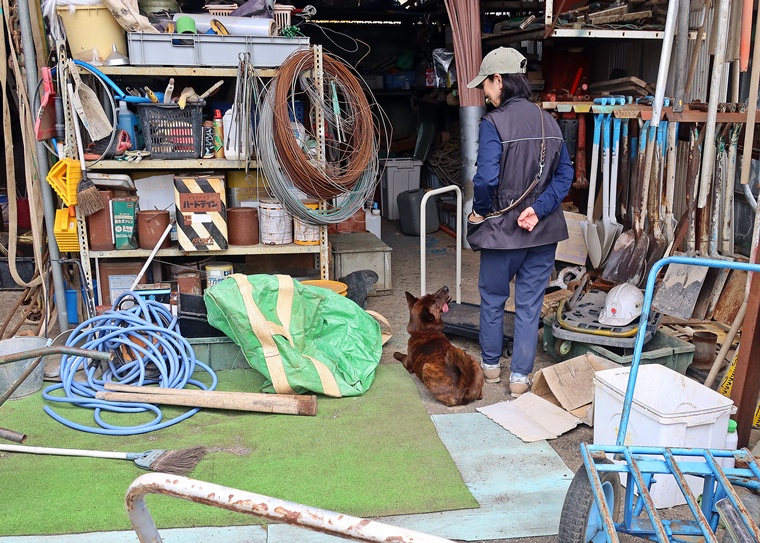
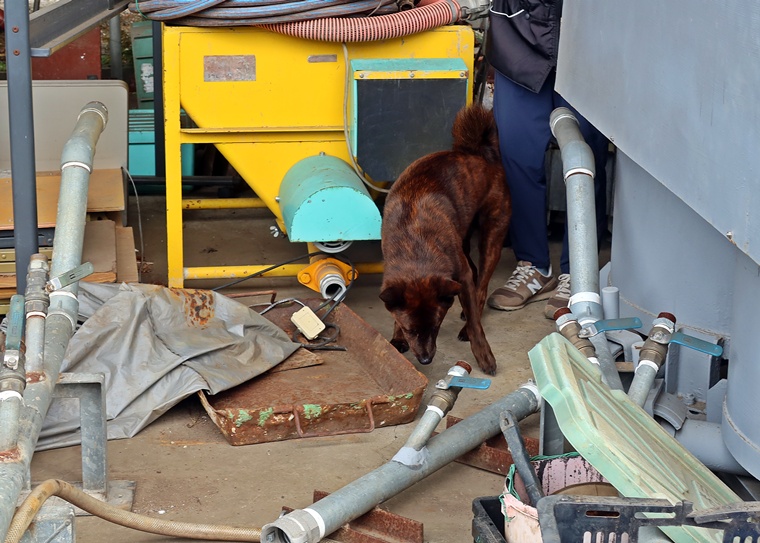
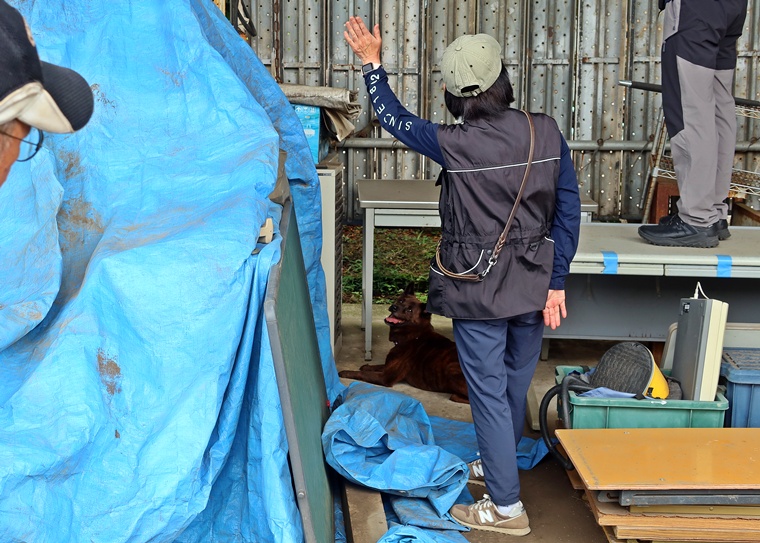
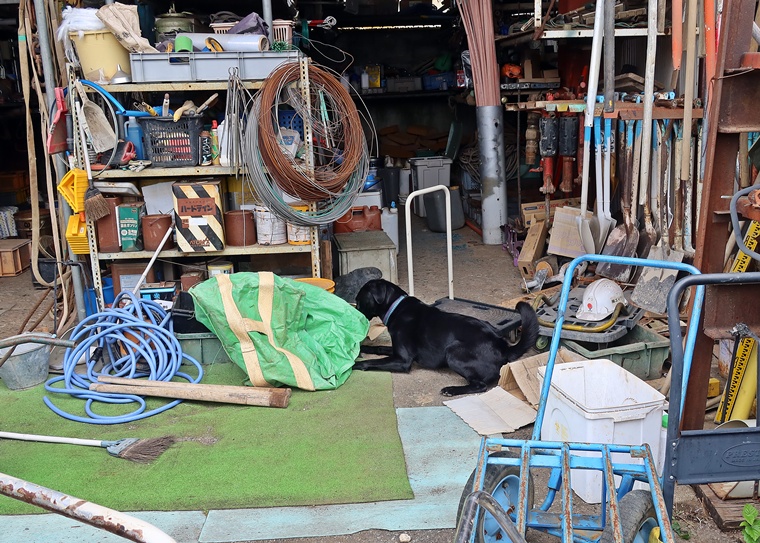
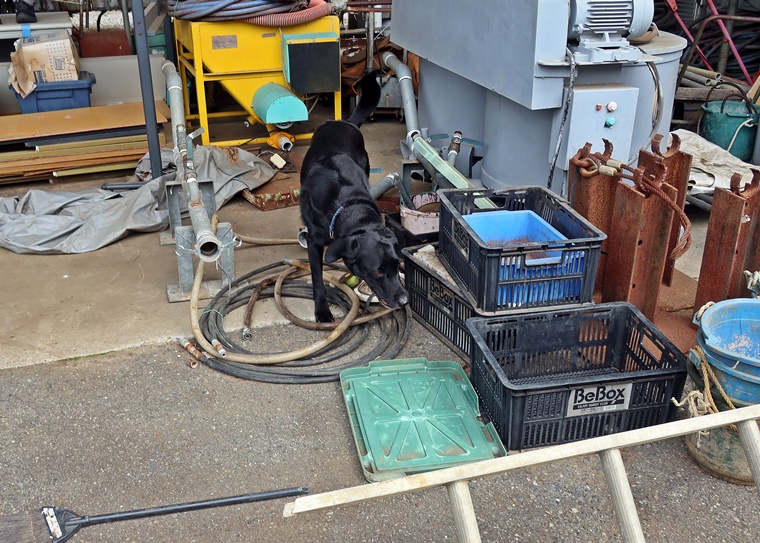
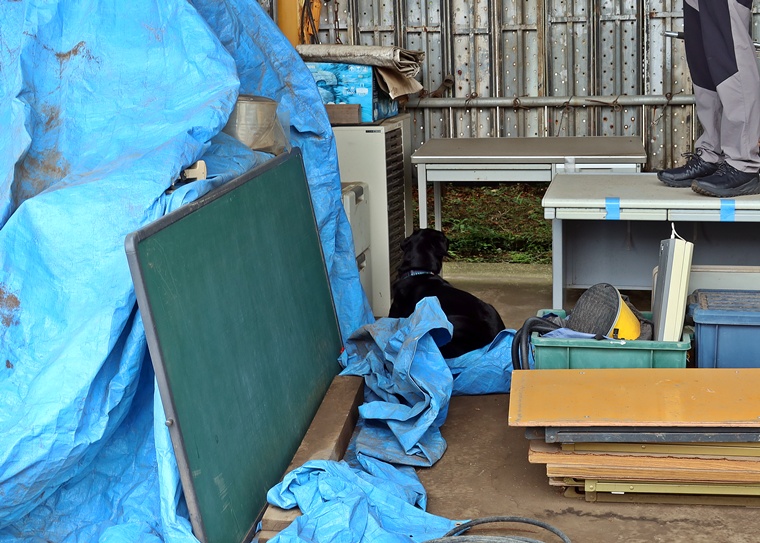
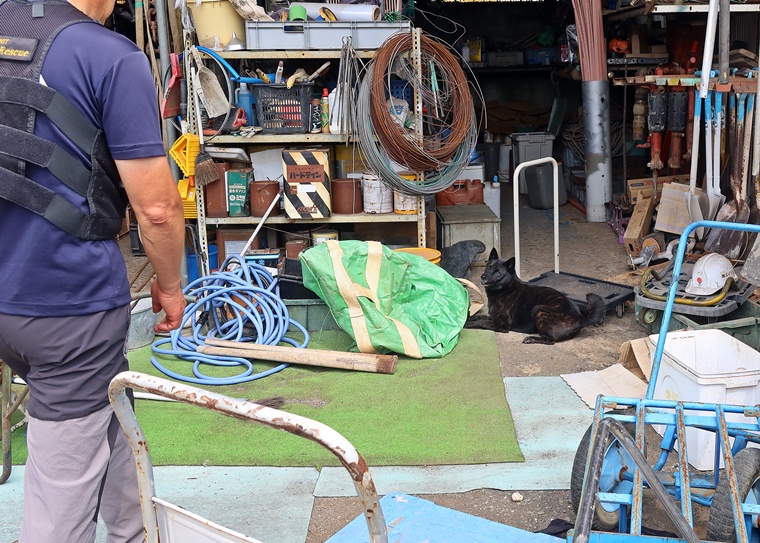
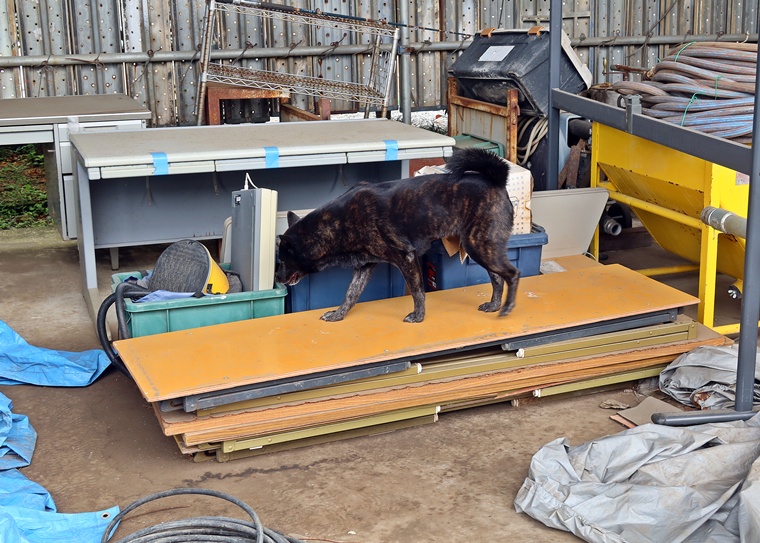
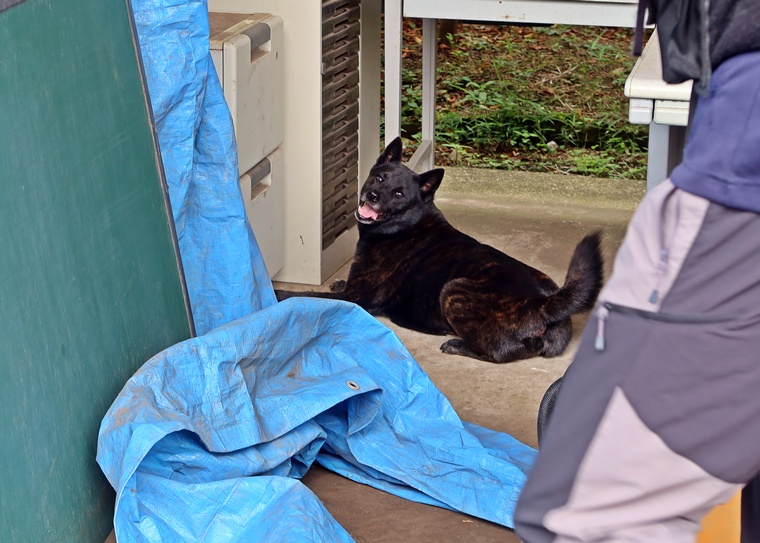
HRDでは、障害物が複雑に配置された環境下での原臭の特定や、原臭の密閉度を高めた設定条件下での捜索を行い、併せてTFR(Trained Final Response)の確認を実施しました。
障害物や臭気の滞留状況によって犬の反応にも変化が見られるため、ハンドラーには犬のコミットメントや行動変化を正確に読み取る力が求められます。今回のセッションでは、それぞれのユニットごとに課題や改善点を確認することができ、今後のトレーニングの方向性を明確にする良い機会となりました。
原臭へのコミットメントの強化、TFRの安定性、そしてハンドラーの観察力と判断力をさらに高めながら、より精度の高い捜索が実践できるよう継続して取り組んでいきたいと思います。
In HRD training, teams worked on locating target odor in environments containing complex obstacle arrangements, as well as search scenarios involving highly concealed odor sources. TFR (Trained Final Response) performance was also evaluated throughout the session.
Because obstacle placement and odor retention can significantly influence canine behavior, handlers must be able to accurately recognize changes in commitment, odor acquisition, and overall search behavior. The session provided valuable opportunities to identify both strengths and areas for improvement within each unit, helping to clarify future training objectives and progression plans.
Moving forward, we will continue to strengthen commitment to target odor, improve the reliability and consistency of TFRs, and further develop the handler’s observation and decision-making skills. By building these elements together, we aim to achieve greater search accuracy and operational effectiveness across all teams.
NSAの活動は、民間ボランティアによる行方不明者の捜索活動です。
多くの方々からご支援いただくことで、より速く、より多くの行方不明者捜索にサーチドッグを派遣することができます。皆様のご支援をお願いいたします。
NSA’s activities are carried out by civilian volunteers.
With the support of many individuals, we can deploy search dogs more quickly and to a greater number of missing person cases.
We sincerely ask for your continued support.

関連記事
-
 2026.11.03/NPO法人 北東北捜索犬チーム Trailing/HRD 適性試験
 -
2026.10.10/REDOG MRT プレ試験
-
2026.10.04/NPO法人 北東北捜索犬チーム Trailing/HRD Workshop
-
NSA Trailing/Disaster/HRD 訓練会レポート_2026.09.13
-
NSA Trailing/Disaster/HRD 訓練会レポート_2026.08.23
-
「災害救助犬 捜索能力向上に伴う指導手育成講習」
-
NSA Trailing/Disaster/HRD 訓練会レポート_2026.08.09
-
令和8年熊本地震におけるNSAの対応について