NSA Trailing/Disaster/HRD 訓練会レポート_2026.11.22
NSA Trailing/Disaster/HRD Training
朝の気温は5℃。冬の訪れを感じる冷え込みでしたが、犬たちが意欲的に活動しやすい季節になりました。
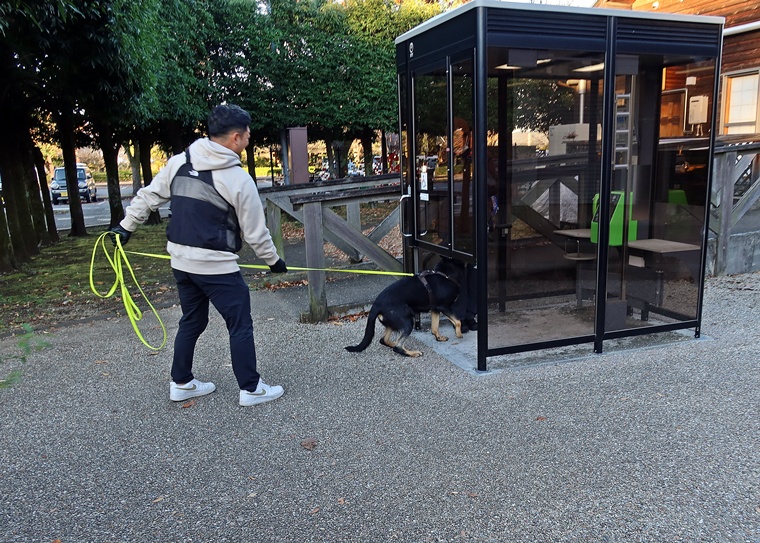
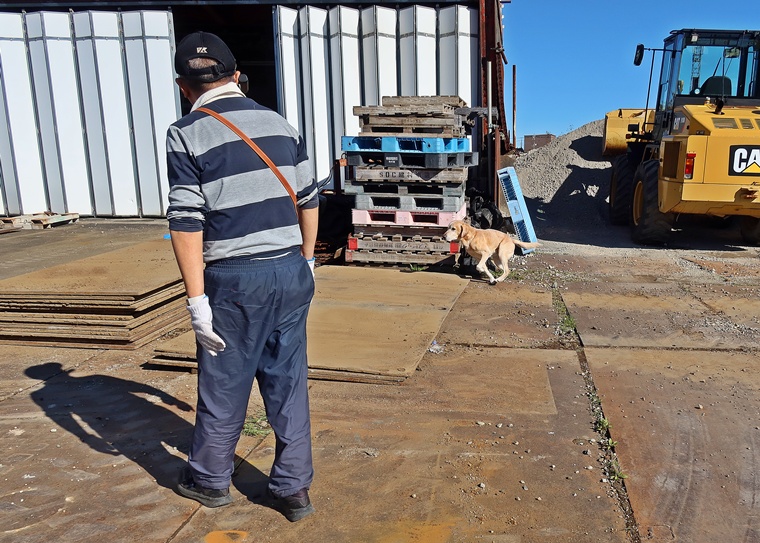
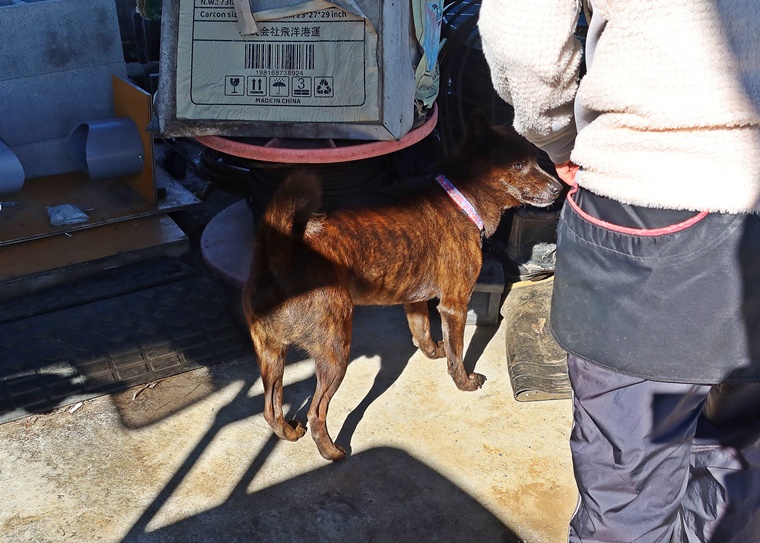
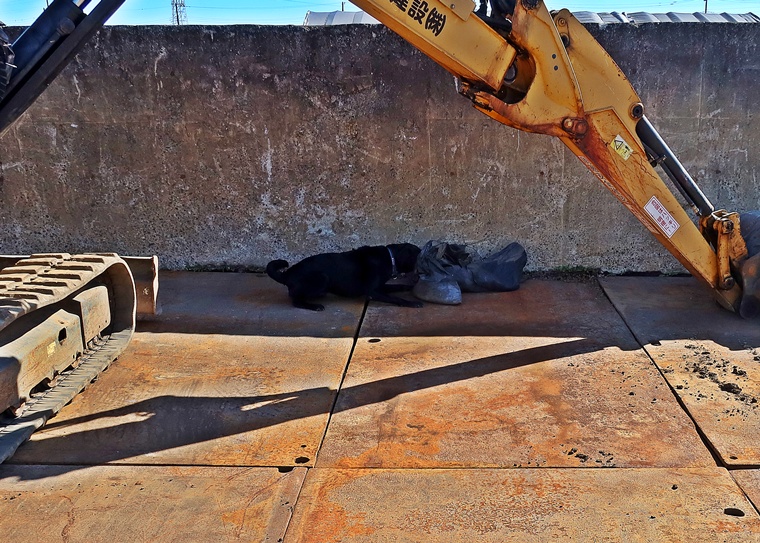
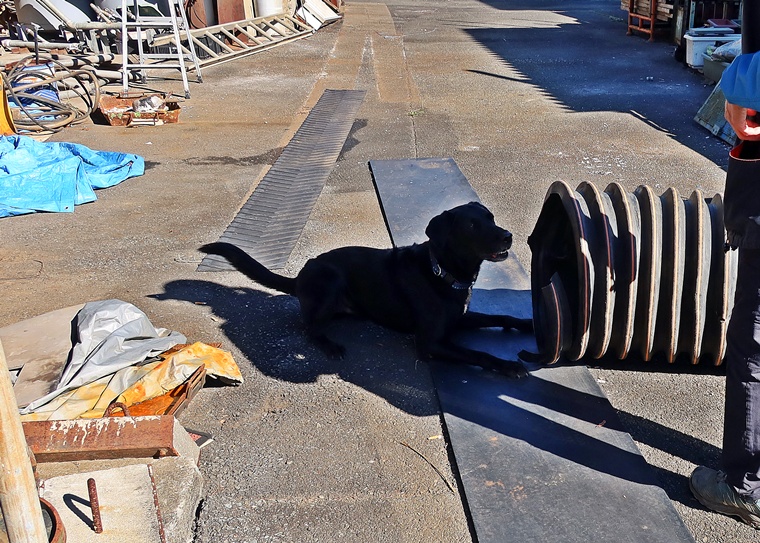
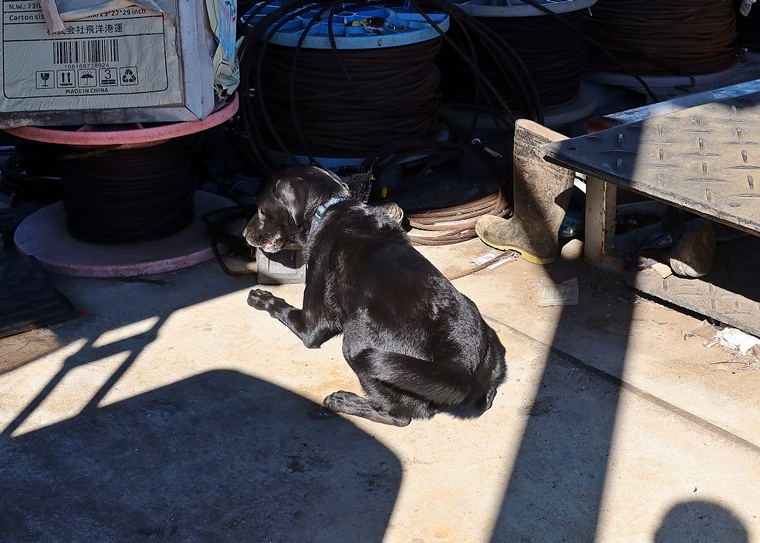
午前6時30分から、市街地でTrailing訓練を開始。午前9時30分からは会場を資材置き場へ移し、Disaster/HRD訓練を実施しました。午後は、今後整備を計画している別の資材置き場へ移動し、Disasterの基礎トレーニングに取り組みました。
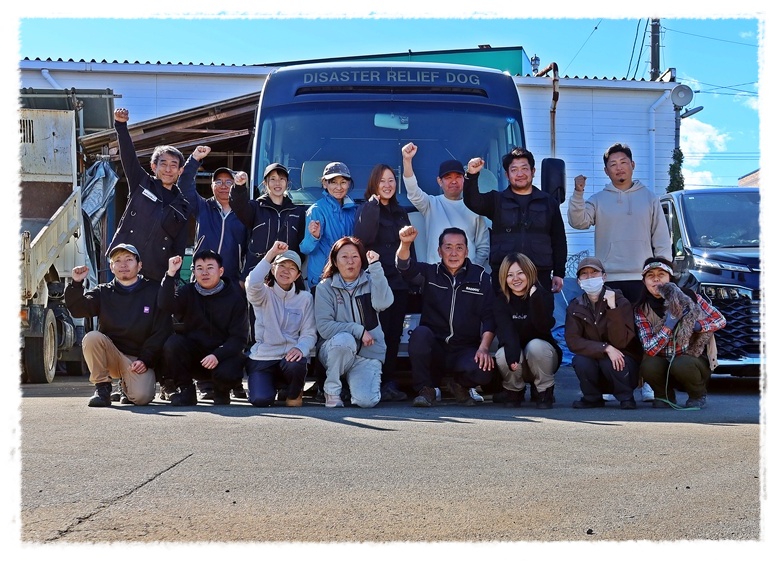
災害救助犬十日町からは6名・7頭が参加。それぞれのUnit(犬とハンドラーのペア)が現在抱えている課題を確認し、課題の克服と能力向上を目指して、実践的なトレーニングを重ねました。
また、今回は2名の方が見学に訪れました。訓練をご覧いただくとともに、TrailingやDisasterではヘルパーとしてご協力いただく場面もあり、捜索犬の育成を支える役割にも触れていただきました。今回の経験が活動への理解につながり、今後、NSAのメンバーとして一緒に取り組んでいただけることを期待しています。
The morning temperature was 5°C. The chill brought a sense of winter approaching, while also marking the arrival of a season when the dogs can work with enthusiasm.
We began Trailing training in an urban area at 6:30 a.m. At 9:30 a.m., we moved to a materials storage yard for Disaster Search and Human Remains Detection (HRD) training. In the afternoon, we relocated to another materials storage yard, which we plan to develop for future training, and worked on foundational Disaster Search exercises.
Six people and seven dogs from the Tokamachi Disaster Rescue Dog Team participated. We reviewed the challenges currently faced by each dog-handler unit and conducted practical exercises to help them address those challenges and further develop their skills.
Two visitors also joined us to observe the training. In addition to watching the exercises, they helped as helpers during some of the Trailing and Disaster Search exercises, gaining firsthand experience of a role that supports the development of search dogs. We hope this experience deepened their understanding of our work and that they will join us as NSA members in the future.
Trailing
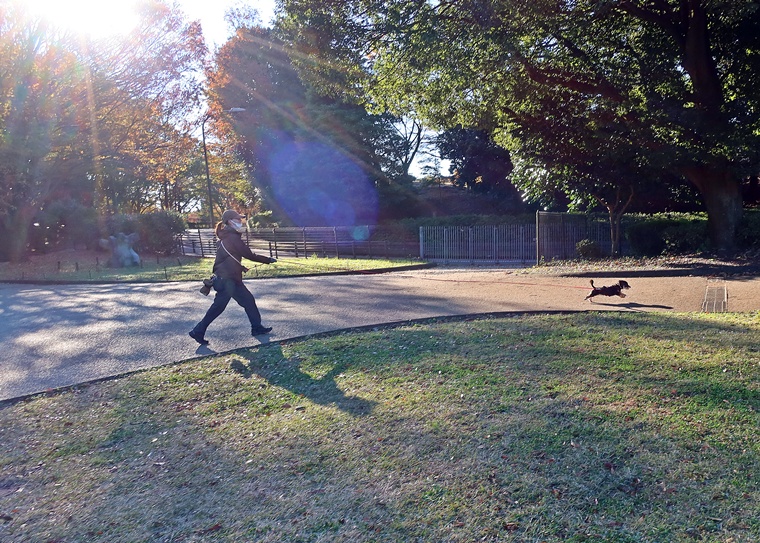
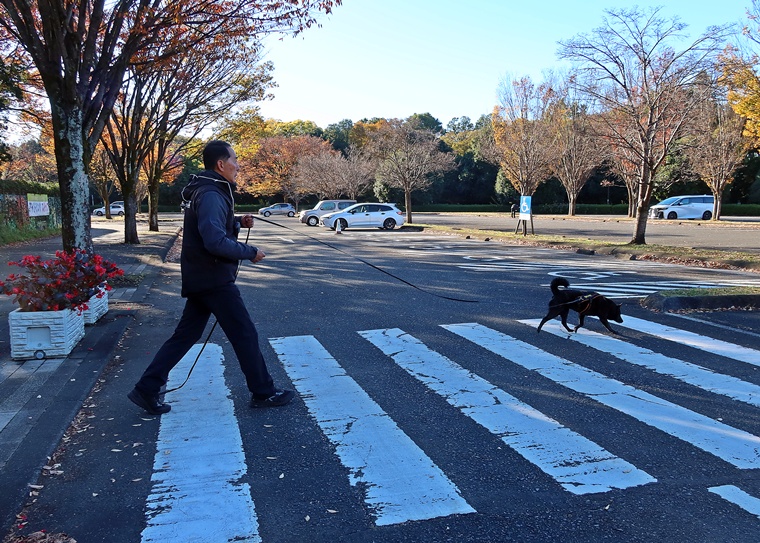
Trailingでは、実際の市街地環境を活用し、それぞれのUnitの習熟度に応じたトレーニングを行いました。ビギナーのUnitについては、モチベーションランを中心に、Trailingの基礎となる捜索への意欲を高めながら、基本的な動きやハンドラーとの連携を確認しました。ステップアップしているUnitについては、犬の捜索能力を高めるだけでなく、捜索中に犬が示す様々な反応をハンドラーがどのように観察し、状況を判断してハンドリングにつなげるのかという点を重視しました。Trailingでは、犬の能力を引き出すハンドラーの観察力と判断力が重要になります。犬が示す反応を正確に読み取り、Unitとして適切な判断ができるよう、実際の市街地環境の中で経験を積み重ねました。
For Trailing, we used an urban environment to conduct exercises tailored to each dog-handler unit’s current proficiency.
For beginner units, training focused primarily on motivation runs to build the dogs’ enthusiasm for searching—a foundation of Trailing—while assessing their basic working behaviors and coordination with their handlers.
For units progressing to more advanced work, we focused on developing both the dogs’ search capabilities and the handlers’ ability to observe the various responses their dogs displayed during a search, assess the situation, and use those observations to guide their handling decisions.
In Trailing, the handler’s observation and decision-making skills are essential to bringing out the dog’s capabilities. Through practice in an urban environment, the units continued to gain experience in accurately reading the dogs’ responses and making appropriate search decisions.
モチベーションラン
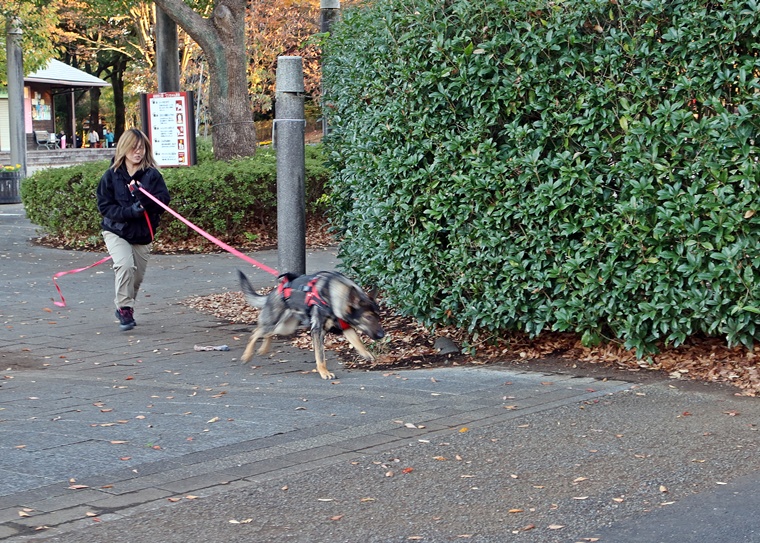
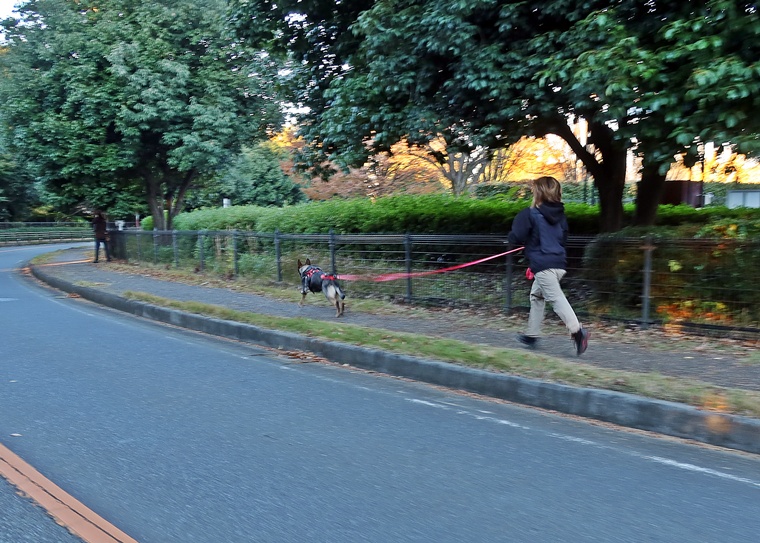
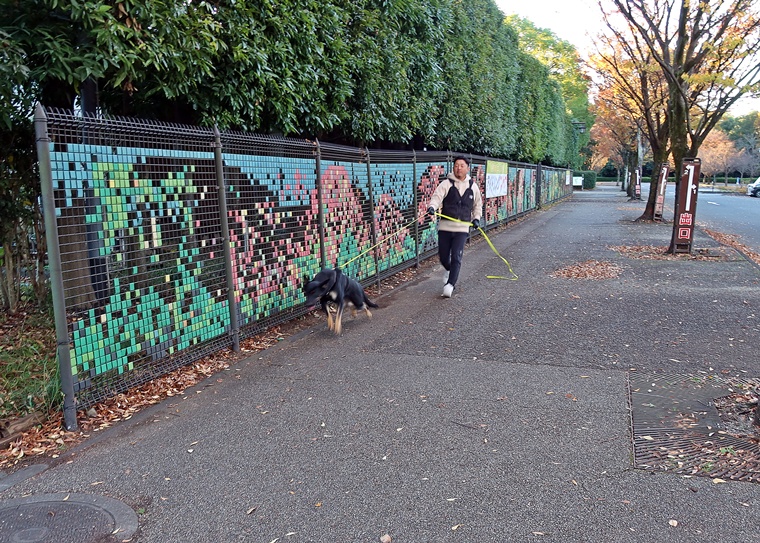
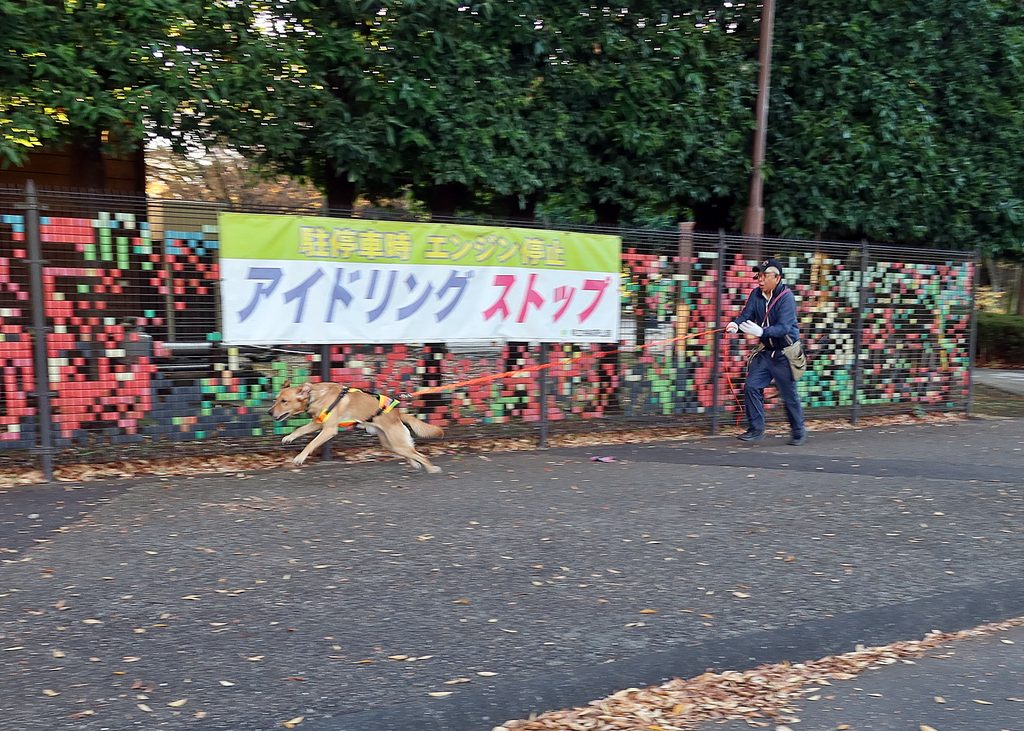
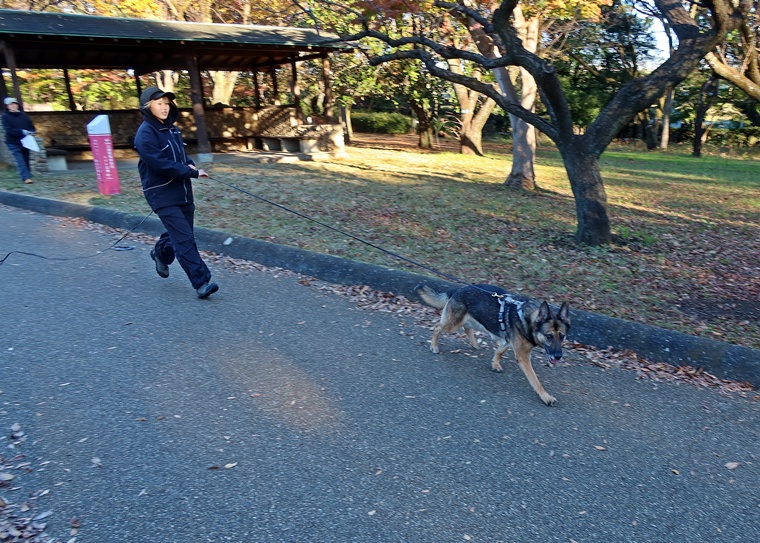
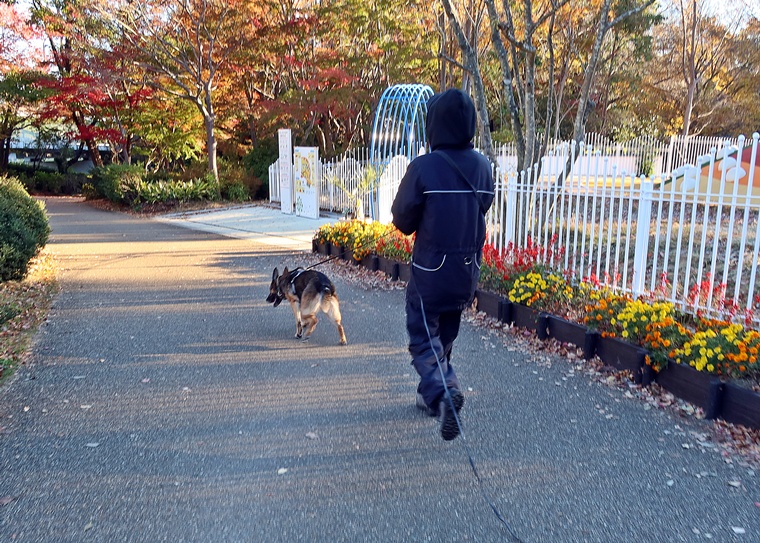
ビギナーのUnitと、基本に立ち返って確認するUnitを対象に、モチベーションランを中心としたトレーニングを行いました。今回は普段とは異なるヘルパーを設定し、相手が変わっても捜索意欲を維持し、対象者をシッカリと追っていけるかを確認しました。
また、コースに屈折を設け、進行方向が変わる地点で犬がどのような反応を示すか、その変化をハンドラーがどう捉えるかにも取り組みました。犬の反応のどこに注目し、何を根拠に判断する必要があるのか、ハンドラーの理解も深まってきています。
For beginner units and those revisiting the fundamentals, training focused primarily on motivation runs. This time, we used helpers different from those the units usually train with to assess whether the dogs could maintain their search motivation and confidently follow the scent trail to the target person when working with a different helper.
We also incorporated changes in direction into the trails, focusing on how the dogs responded at these points and how the handlers interpreted those behavioral changes. The handlers are developing a clearer understanding of which aspects of their dogs’ responses to observe and what evidence to use when making search decisions.
セントアーティクルトレーニング
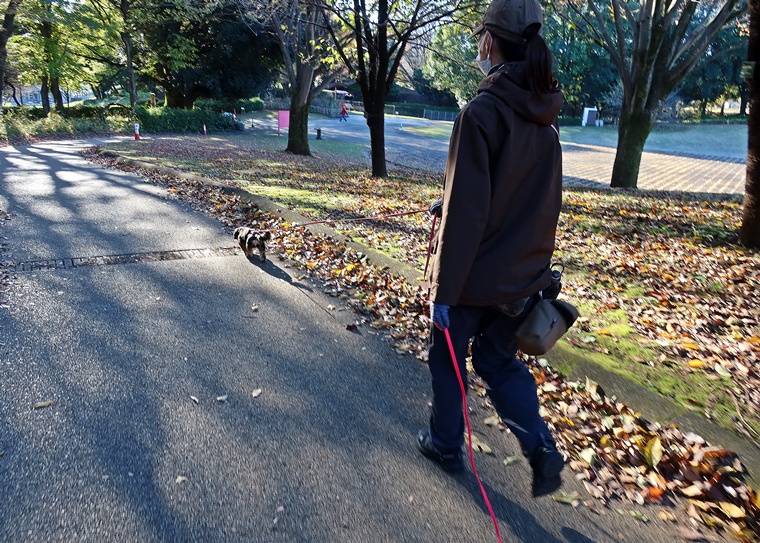
ヘルパーの臭いが付着したScent Article(セントアーティクル)を使用し、犬が捜索対象者の臭いを識別したうえで、その臭跡を追って捜索を開始するトレーニングへとステップアップしていきます。この段階では、単に臭跡を追うだけではなく、Scent Articleから対象臭を認識し、その臭いと臭跡を関連付けて捜索を開始するという、一連の流れを犬自身がシッカリと理解することが重要になります。
The next step is to introduce training with a scent article carrying the helper’s odor, so the dog can identify the target person’s scent and begin searching by following the corresponding scent trail.
At this stage, it is important for the dog to develop a reliable sequence of behaviors, from sampling the target odor on the scent article to making the connection with the corresponding scent trail and beginning to follow it.
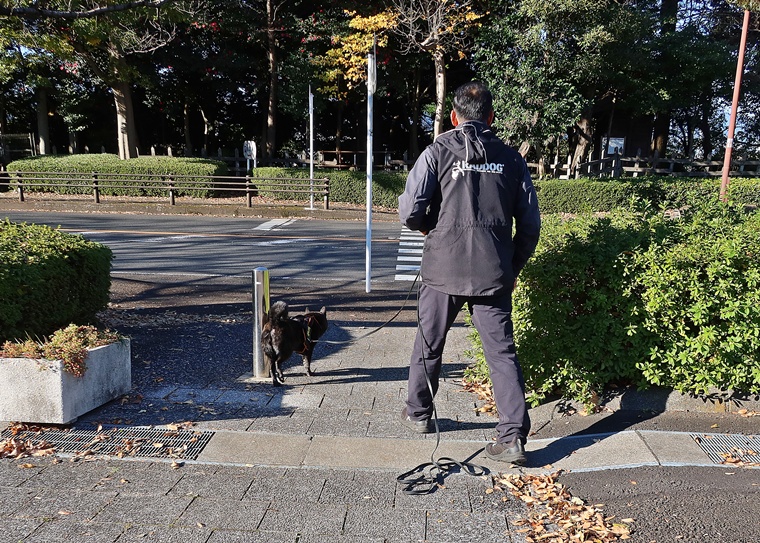
ブラインドトレール
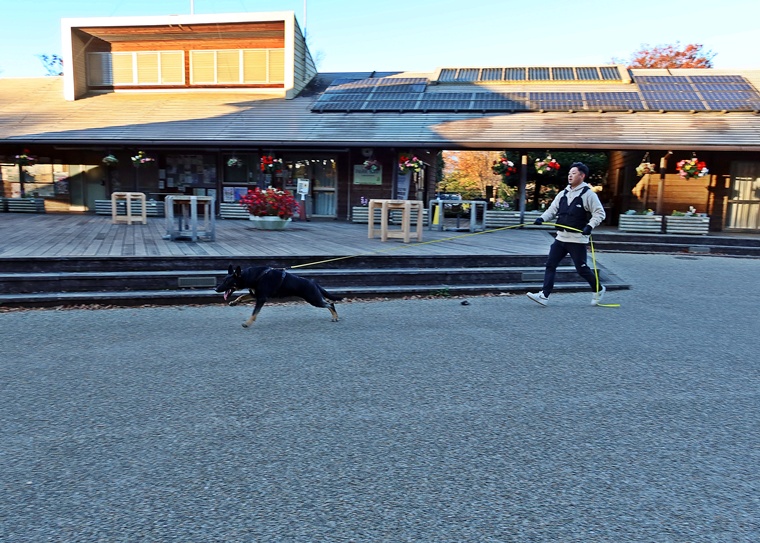
アドバンスクラスのUnitでは、ハンドラーにヘルパーの移動経路を知らせないブラインドトレールを実施しました。ヘルパーの移動から2時間が経過した時点でスタートし、犬の反応をもとに捜索を進めるトレーニングを行いました。
捜索中に犬が示すネガティブ反応は、対象の臭跡を捉えていない時に見られる反応です。「臭跡が存在しない」「臭跡を見失った」「進行方向が異なる」といった状況を判断するうえで、重要な情報になります。
ハンドラーには、犬の動きが変わった地点と、その前後の反応を丁寧に観察し、周囲の状況も踏まえて判断する力が求められます。こうした変化を見逃さずに読み取り、次にどこを確認するか、どのように犬の捜索を支えるかというハンドリングにつなげていきましょう。
For advanced units, we conducted blind trails in which the handlers were not told the route taken by the helper. The units started two hours after the helper had walked the route, practicing how to progress through the search based on the dogs’ responses.
Negative responses during a search are behaviors dogs display when they are not detecting the target scent trail. These responses provide important information when assessing whether the target trail is absent from the area being checked, the dog has lost the trail, or the search is proceeding in the wrong direction.
Handlers need to carefully observe where the dog’s behavior changes, as well as its responses before and after that point, and assess this information alongside the surrounding conditions. By recognizing and interpreting these changes, handlers can make informed decisions about where to check next and how to support the dog’s search.
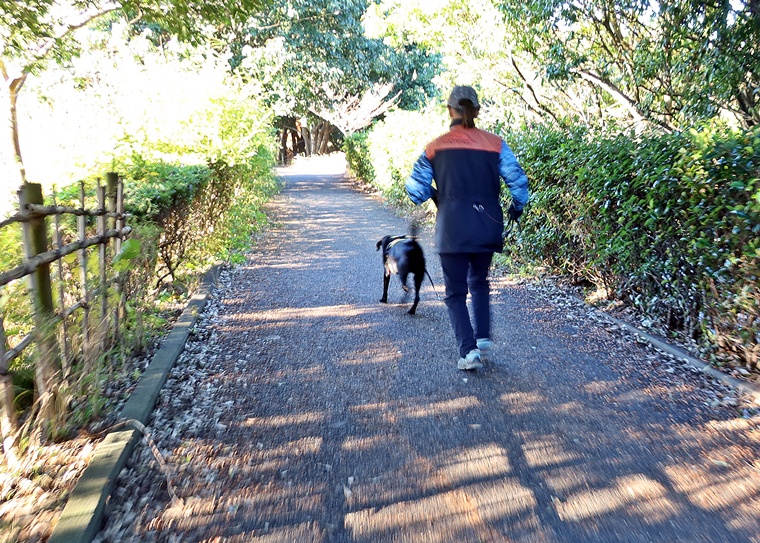
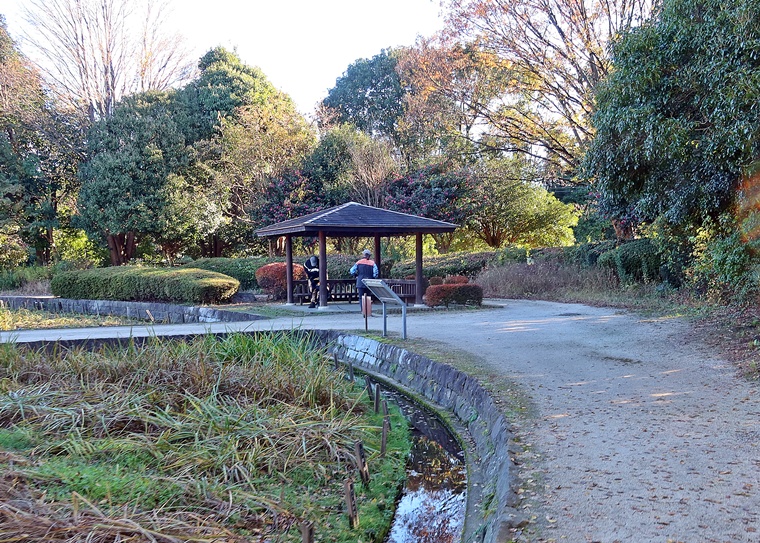
ヘルパーの役割
捜索犬の育成において、最も重要な役割を担うのがヘルパー(捜索対象者役)です。犬がヘルパーに到達した時に、どれだけ大きな達成感と喜びを提供できるか。その経験が、「人を探す」ことへの意欲と集中力を高める土台になります。そのためには、それぞれの犬が意欲的に取り組める、最高のモチベーターを用意すること。そして到達した際には、そのモチベーターを活かして、犬が夢中になれる遊びを展開することが求められます。
The helper—the person the dog is searching for—plays the most important role in developing a search dog. Giving the dog a strong sense of achievement and joy when it reaches the helper lays the foundation for greater motivation and focus in searching for people.
To create this experience, the helper needs to have a highly motivating reward suited to each individual dog. Upon the dog’s arrival, the helper should use that reward to engage the dog in play that fully captures its interest and enthusiasm.
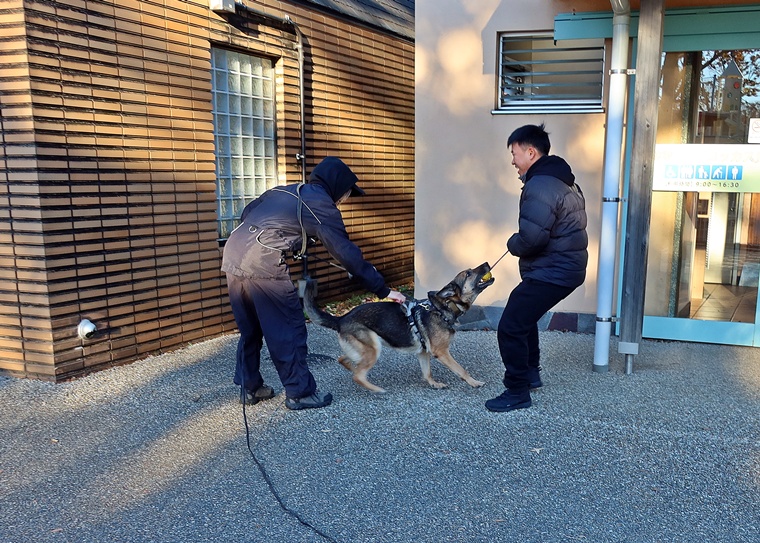
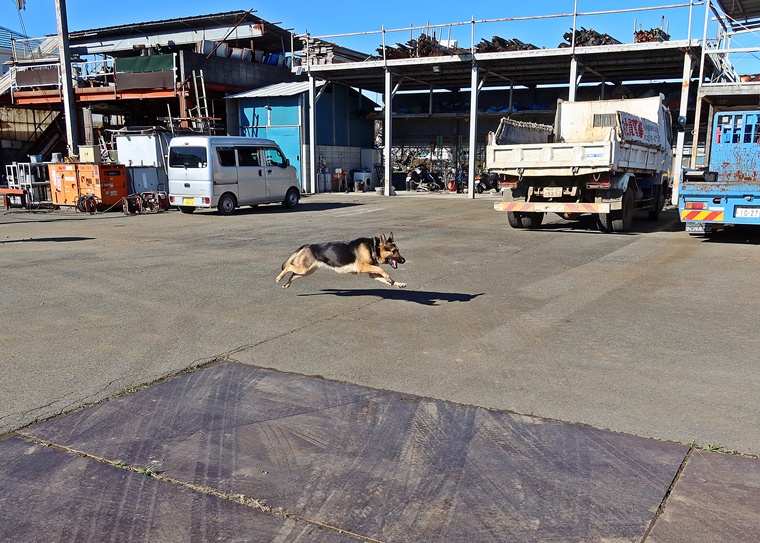
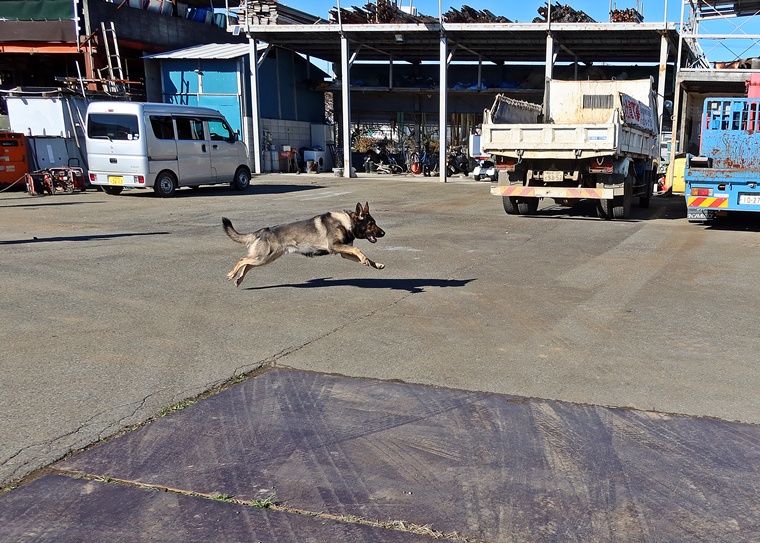
時には焦らし、時には大きな動きで逃げ回りながら遊ぶなど、犬にとって獲物のように魅力的に動くことも、ヘルパーに必要なスキルです。
特にTrailingとDisasterのビギナー段階では、「探して到達すると、楽しいことが待っている」という経験を積み重ねていきます。犬の反応を見ながら、モチベーターの動かし方や遊び方を調整し、その犬の意欲を十分に引き出せるようにしましょう。犬とハンドラーの成長とともに、ヘルパーのスキルを高めることも、チームとして欠かせない取り組みです。訓練の中で犬の反応を共有し、到達時の喜びを次の捜索への期待につなげられるヘルパーを育てていきましょう。
Helpers also need the skill to move in ways that appeal to the dog like prey—sometimes teasing with the reward, and sometimes running away with big, lively movements during play.
Particularly in the beginner stages of Trailing and Disaster Search, dogs need repeated experiences of finding and reaching the helper and being rewarded with something enjoyable. Helpers should observe each dog’s responses and adjust how they move the reward and engage in play to bring out the dog’s motivation.
Developing helper skills alongside the dogs’ and handlers’ abilities is an essential part of training as a team. By sharing observations of the dogs’ responses during training, we can develop helpers who turn the joy of reaching them into eager anticipation of the next search.
Disaster
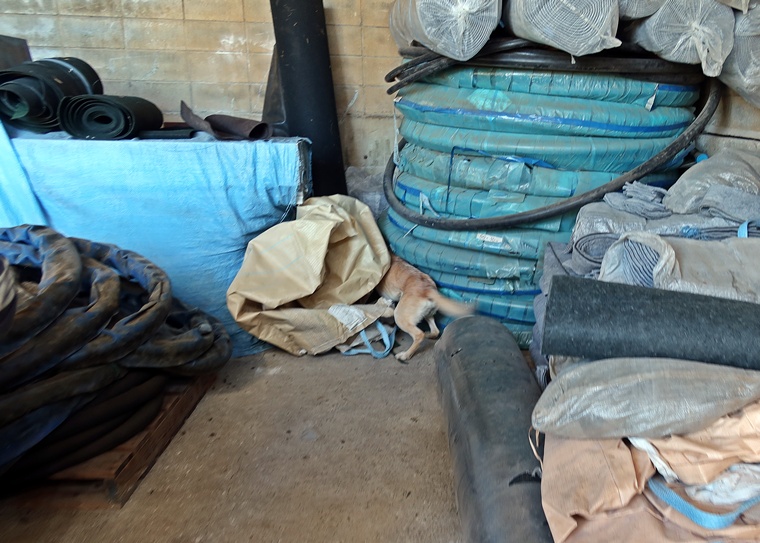
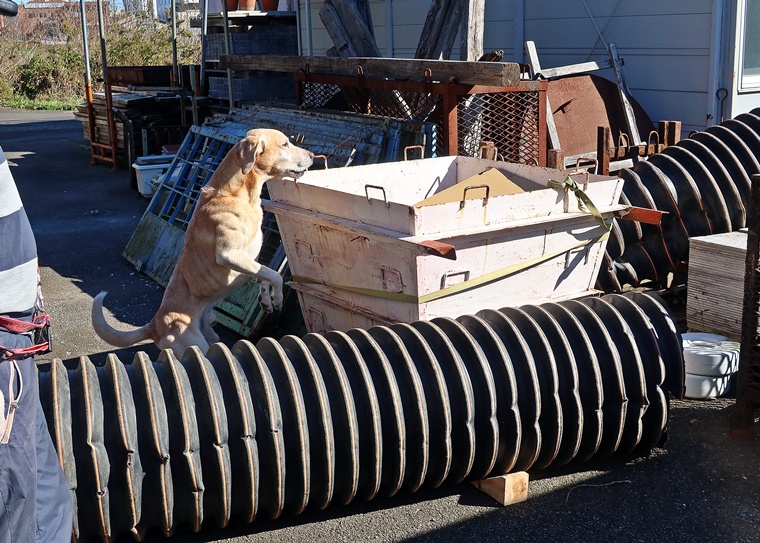
Disasterでは、初歩犬のバークアラート(吠えて発見を知らせる告知動作)の導入とステップアップをはじめ、それぞれのUnitの習熟度や現在の課題に合わせた設定でトレーニングを行いました。犬の捜索意欲や捜索能力とともに、発見後の告知動作の精度を確認しました。
ブラインド捜索では、ハンドラーが事前に捜索対象者の位置を知らないため、犬が示す反応を根拠に状況を判断し、捜索を組み立てる力が求められます。犬の動きの変化を捉える観察力、その反応に応じた判断とハンドリングなど、Unitとしての総合的な能力を確認する機会となりました。各Unitが現在の課題と向き合いながら、実際の災害現場で求められる捜索能力と、犬・ハンドラーの連携の向上を目指して訓練を重ねました。
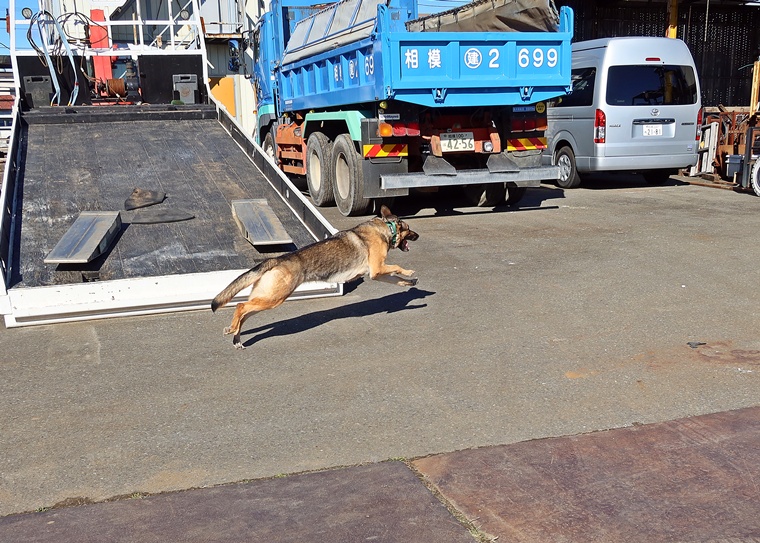
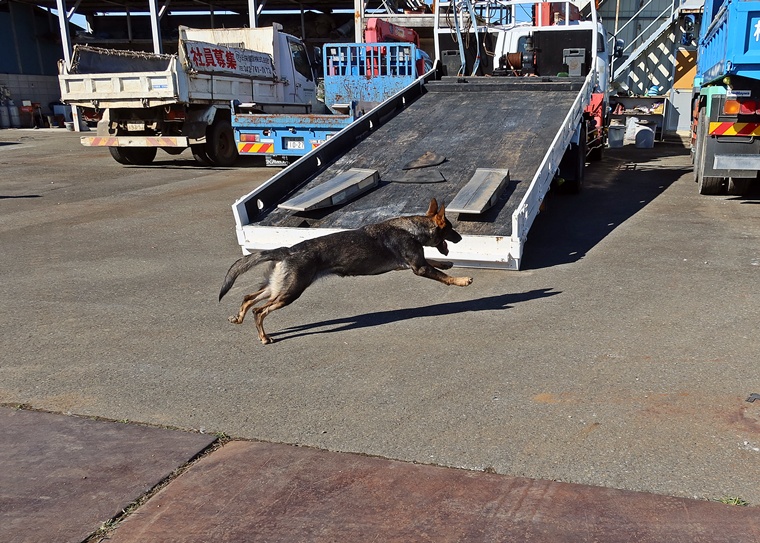
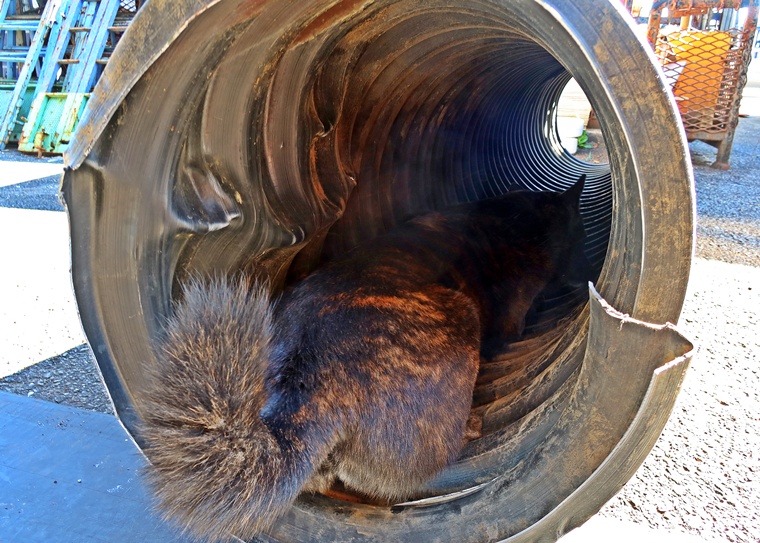
午後は、新たなトレーニング施設として整備を計画している資材置き場へ移動。普段とは異なる環境で、バークアラートや、ヘルパーが犬から離れて捜索意欲を引き出すランナウェイなどの基礎トレーニングも実施しました。
For Disaster Search, we conducted exercises tailored to each unit’s proficiency and current training needs, including introducing and developing bark alerts—the barking behavior used to indicate a find—for beginner dogs. We assessed the dogs’ search motivation and capabilities, along with the reliability and consistency of their alert behavior after locating the helper.
During blind searches, handlers did not know the helper’s location in advance and therefore needed to assess the situation and plan their search based on their dogs’ responses. These exercises provided an opportunity to assess each unit’s overall capabilities, including the handler’s ability to observe changes in the dog’s behavior and respond with appropriate decisions and handling. Each unit continued to address its current challenges while working to develop the search capabilities and dog-handler coordination required in real-world disaster operations.
In the afternoon, we moved to a materials storage yard that we plan to develop into a new training facility. In this unfamiliar environment, we also conducted foundational exercises, including bark alert training and runaway exercises, in which the helper moves away from the dog to build its motivation to search.
バークアラートとランナウェイ
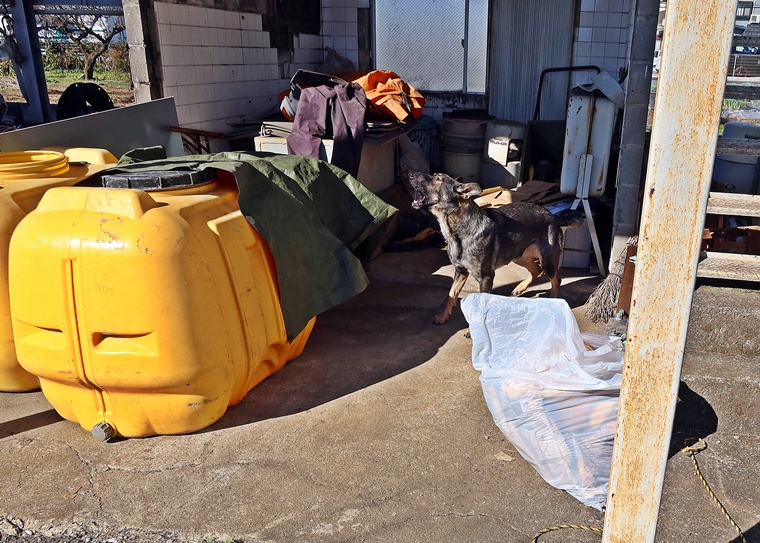
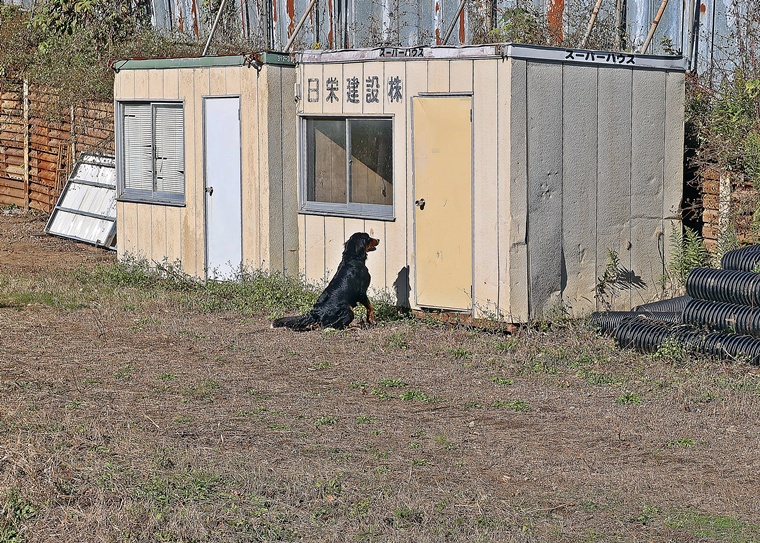
バークアラートの導入に取り組むビギナーのUnitでは、明確なひと声がなかなか出ない状況が続いています。一方で、吠えようとする行動そのものはシッカリと表現できるようになってきました。発声までは、もう一息。今出ている反応を丁寧に捉え、確実なひと声へ、そして安定したバークアラートへとつなげていきたいと思います。
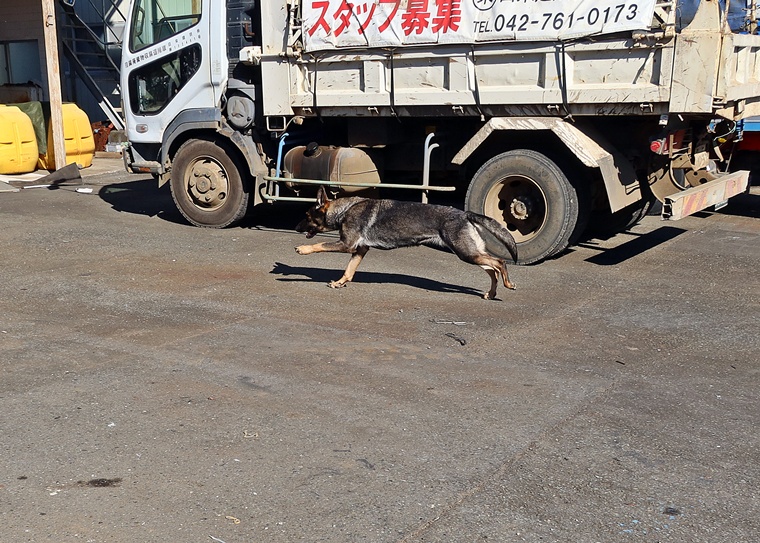
ランナウェイでは、ヘルパーを捜す意欲や、発見後もヘルパーに意識を向け続ける執着に不安定さがあるUnitを対象に、基礎トレーニングを行いました。それぞれの課題に合わせ、捜しに向かう時の反応と、到達後のヘルパーとのやり取りを確認しながら、捜索意欲を育てる練習に取り組みました。
For beginner units working on the introduction of bark alerts, eliciting a single clear bark continues to be a challenge. However, the dogs are beginning to show clear attempts to bark. They appear close to producing an audible bark. We aim to carefully recognize and build on these emerging responses, progressing toward a clear, reliable bark and, ultimately, a consistent bark alert.
Foundational runaway exercises were conducted for units showing inconsistent motivation to search for the helper or difficulty maintaining sustained engagement with the helper after the find. The exercises were tailored to each unit’s needs, focusing on the dogs’ responses as they set off to search and their interactions with the helper upon arrival, while working to strengthen their search motivation.
限定エリアでの捜索
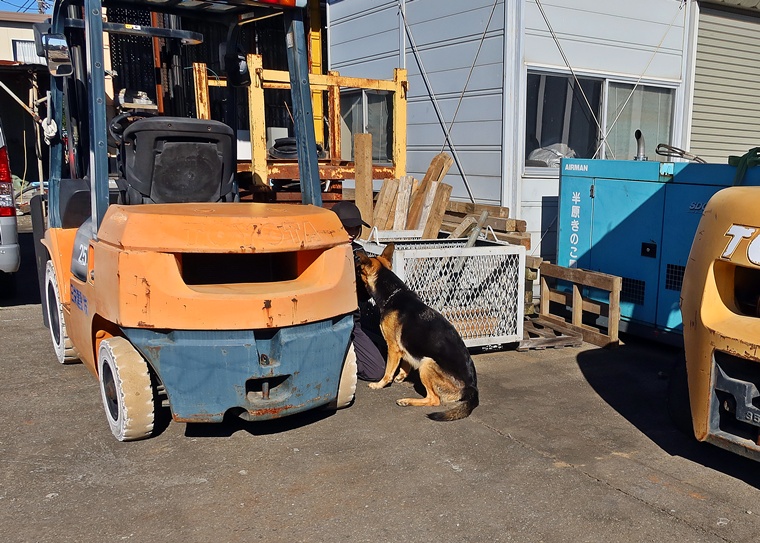
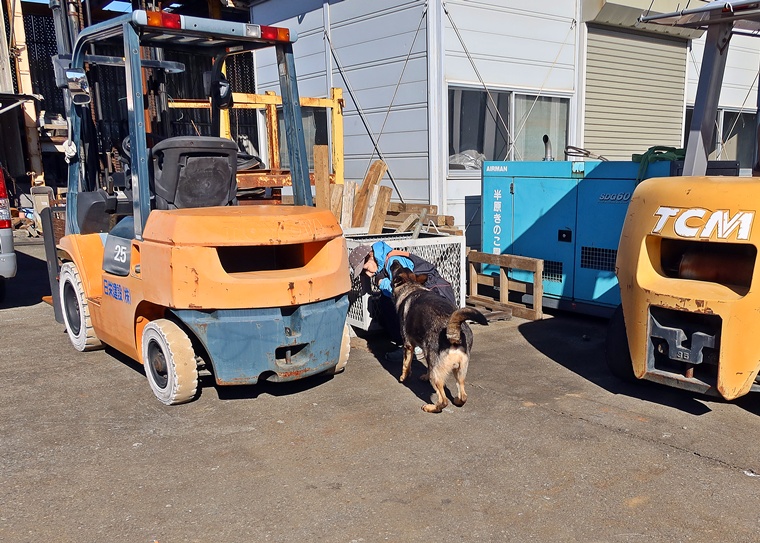
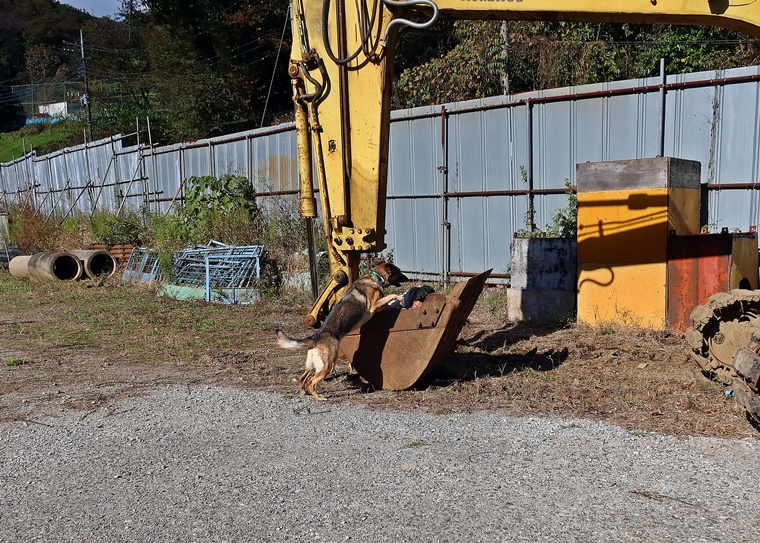
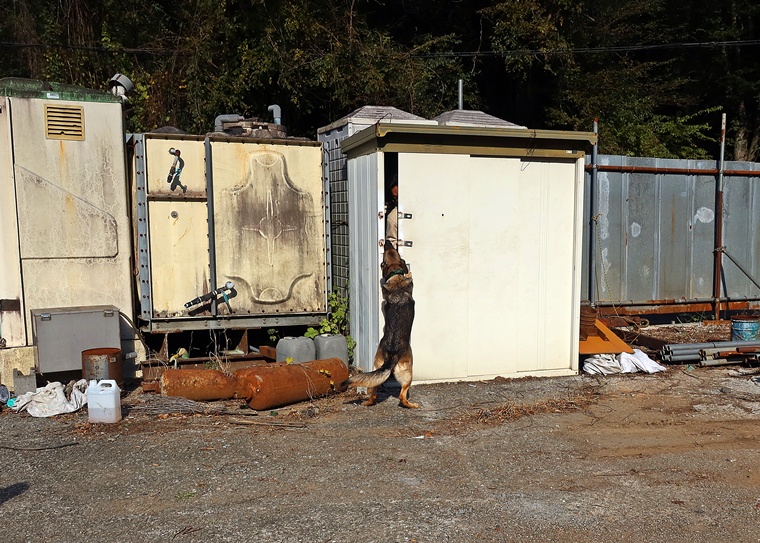
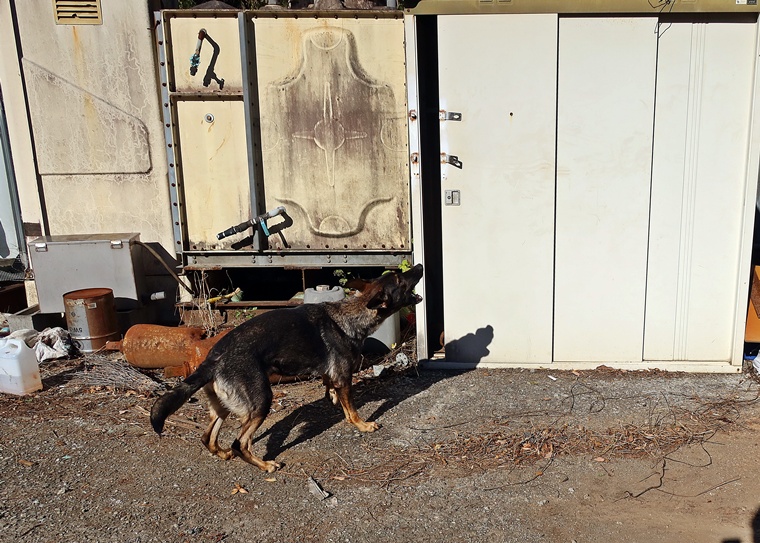
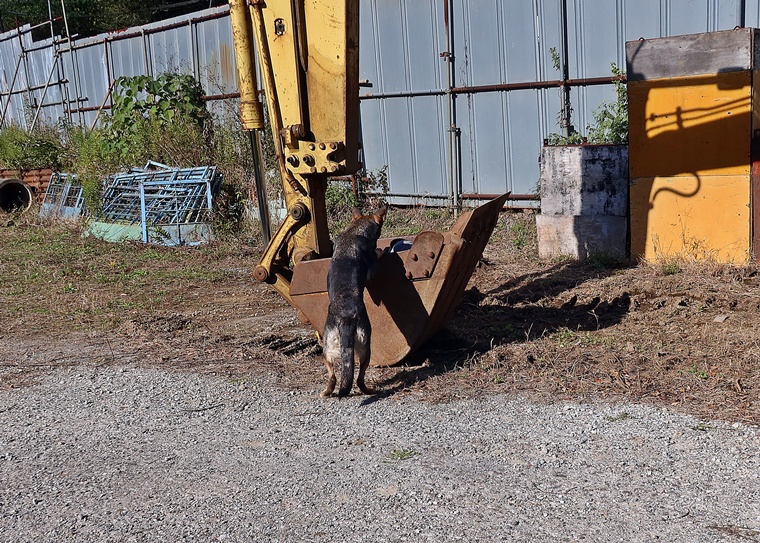
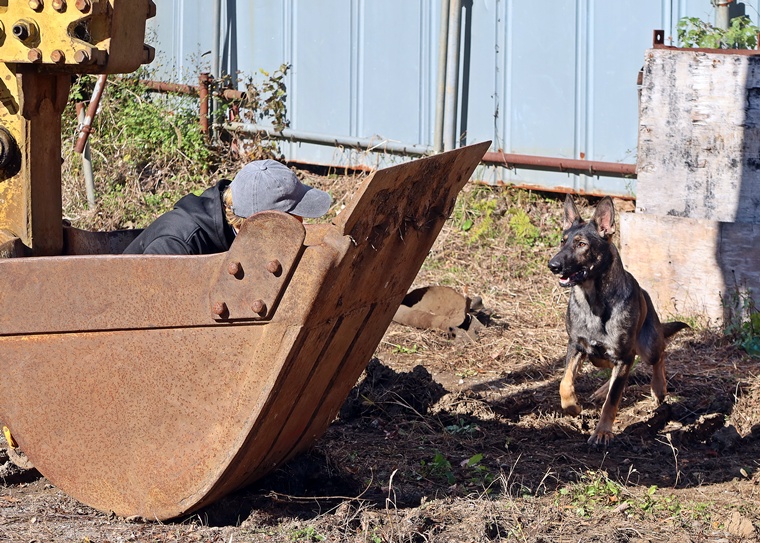
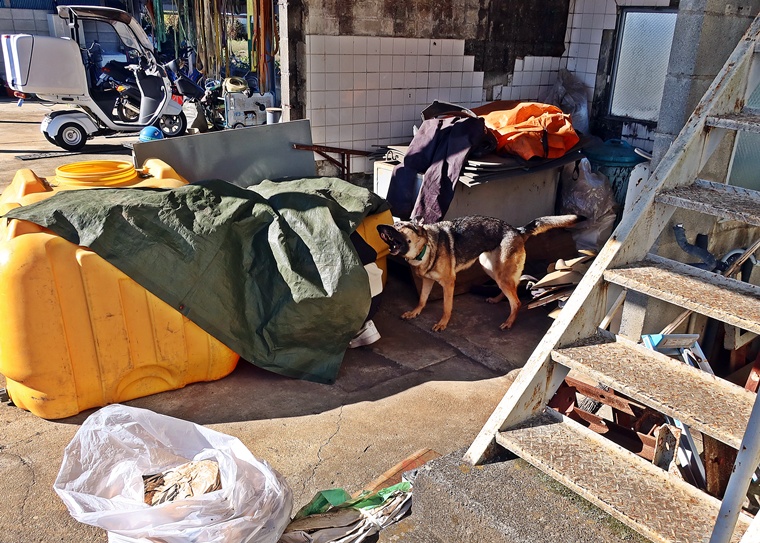
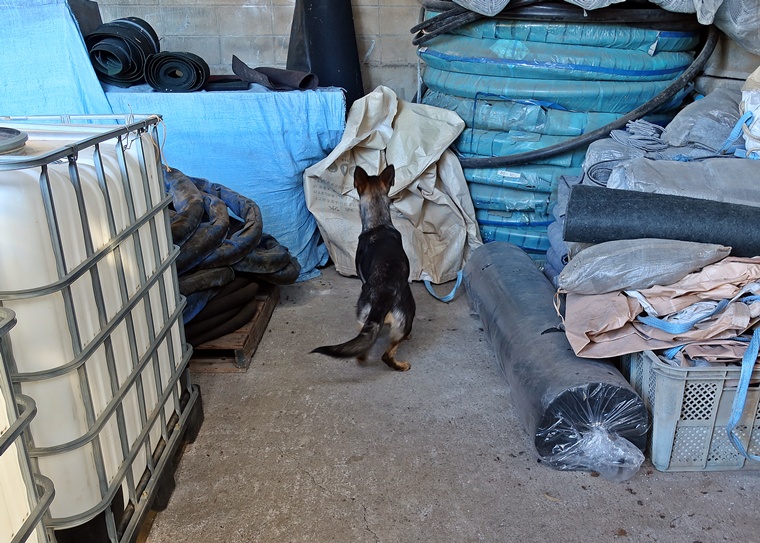
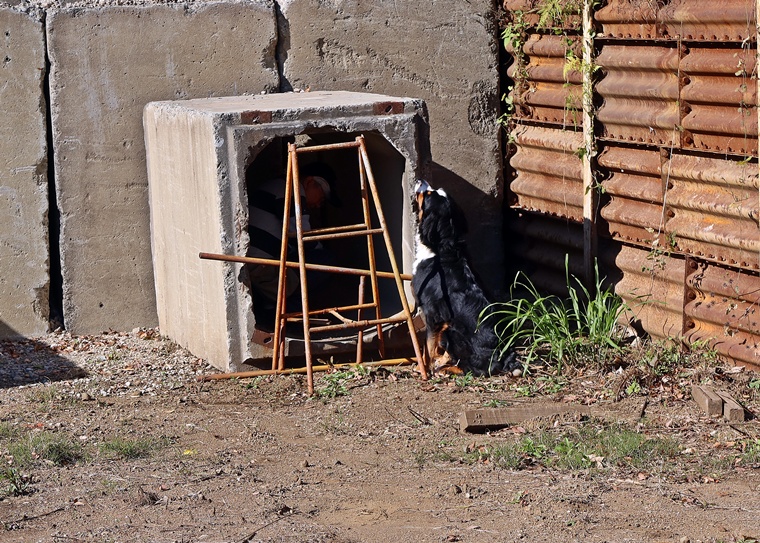
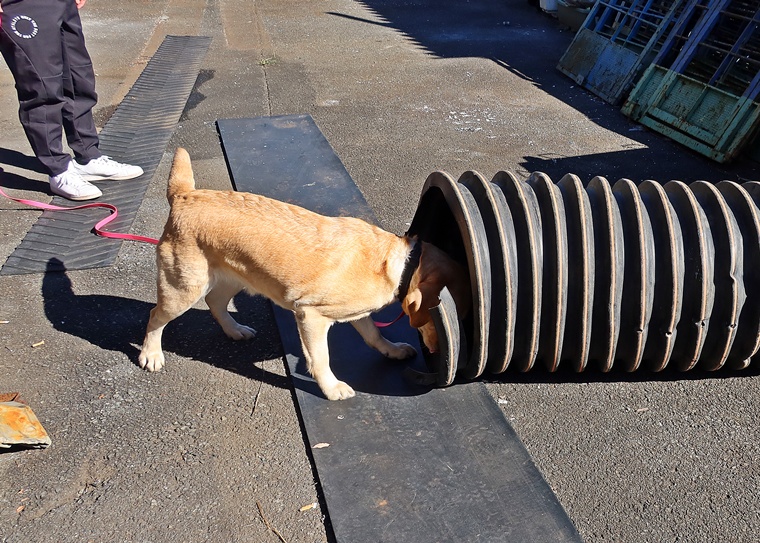
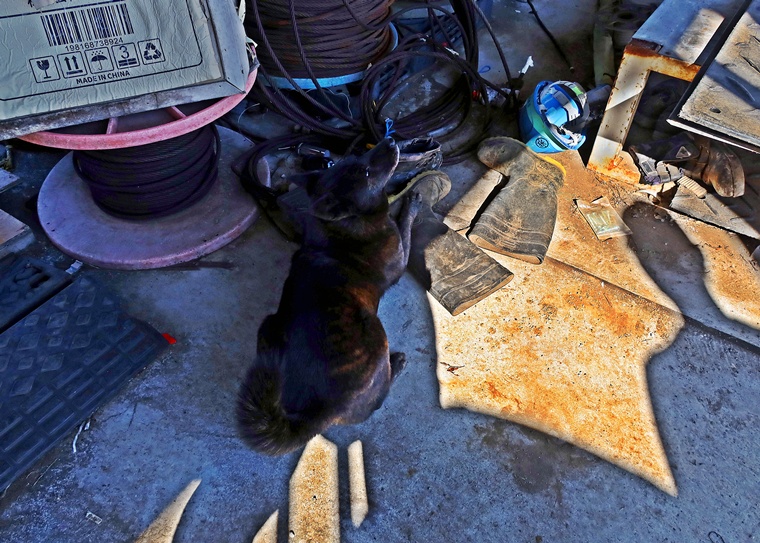
ヘルパーに対する意欲や執着が安定しているUnitでは、現在の捜索能力と習熟度に合わせ、無理のない範囲でエリア捜索を行いました。セントコーン(臭気が広がる範囲)を捉えた時の反応から、その臭気を追ってヘルパーの位置を特定し、到達するまでの一連の動きを確認。発見後に、確実なバークアラートへ移行できるかも確認しました。さらに、ヘルパーを直接視認できない遮蔽空間での強化トレーニングにも取り組みました。臭気を頼りにヘルパーの位置を特定し、姿が見えない状況でも、安定したバークアラートを持続できることが目標です。捜索から位置の特定、告知の継続までを通して、それぞれのUnitの反応と課題を確認しました。
For units showing consistent motivation toward the helper and sustained engagement after the find, we conducted area search exercises at a manageable level of difficulty, tailored to each unit’s current search capabilities and proficiency.
We observed the complete sequence from the dogs’ initial responses upon encountering a scent cone, through following the odor to locate and reach the helper. We also assessed whether they could reliably transition into a bark alert after the find.
Additional reinforcement training was conducted in concealed spaces where the helper was not directly visible. The goal was for the dogs to locate the helper by scent and maintain a consistent bark alert even while the helper remained out of sight. Throughout the sequence of searching, locating the helper, and sustaining the alert, we assessed each unit’s responses and identified areas requiring further development.
アドバンスクラスの捜索
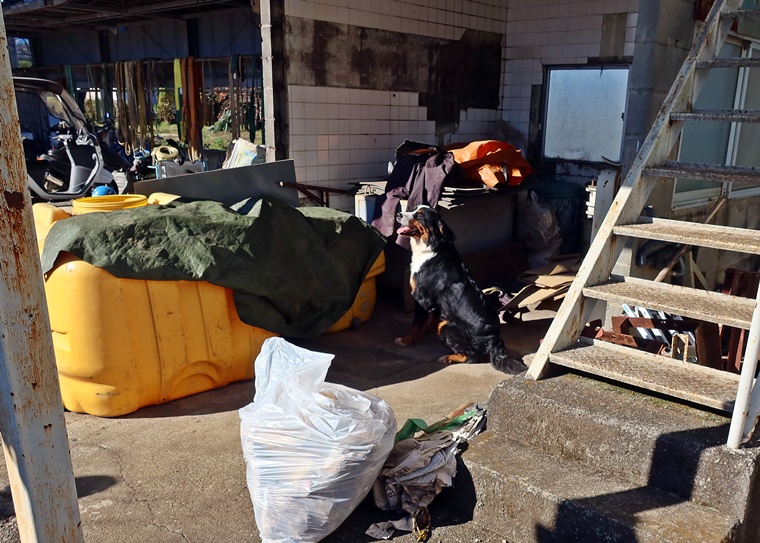
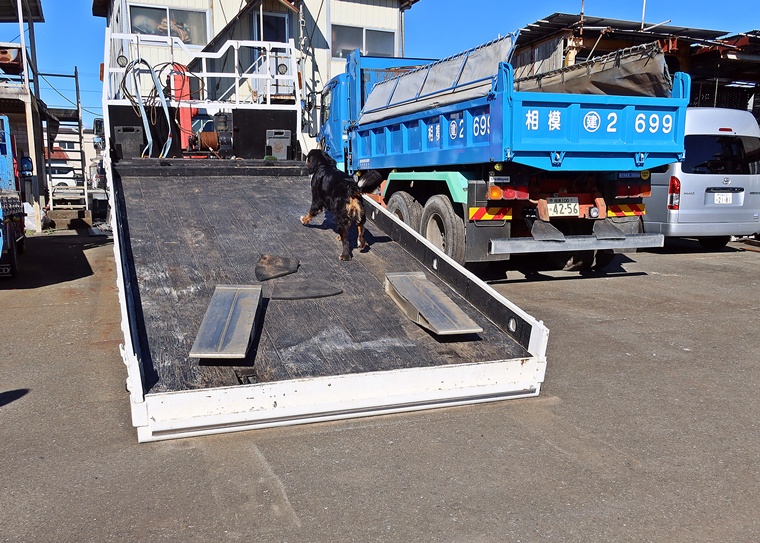
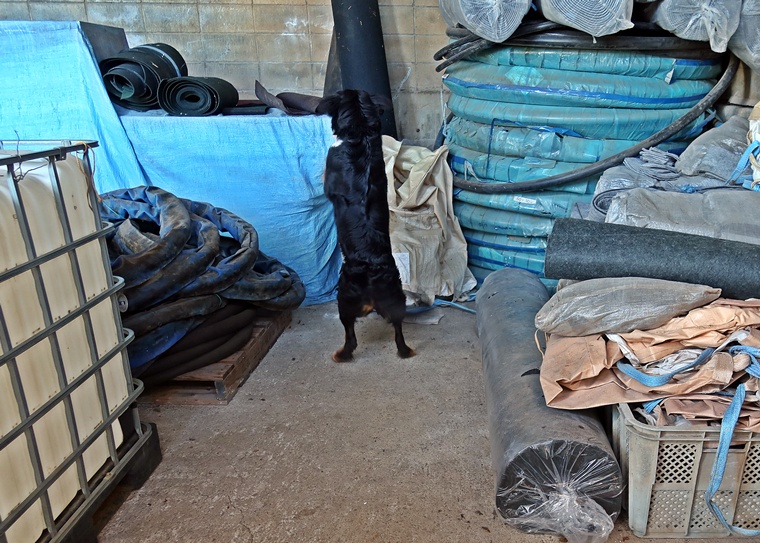
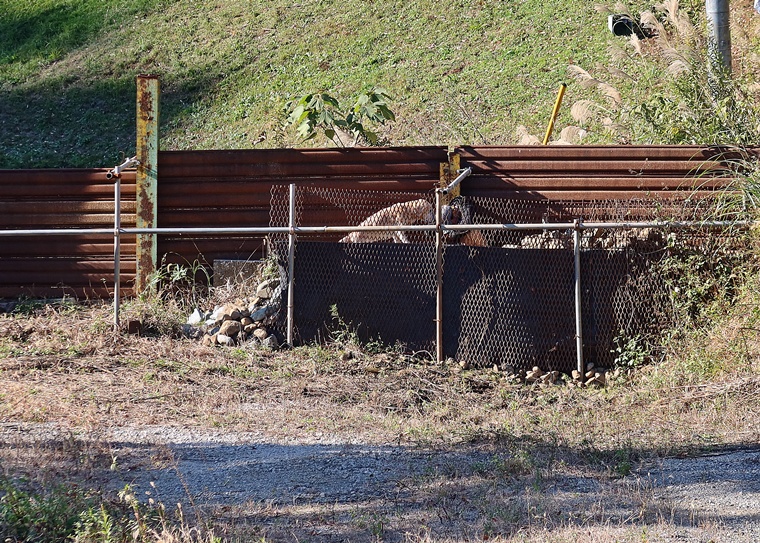
アドバンスクラスでは、犬の捜索能力を実際の現場で最大限に活かすため、ハンドラーの観察力・判断力・ハンドリングスキルを高めることが欠かせません。犬がどこで反応し、動きがどう変わったのか。その前後の様子や周囲の状況も含めて読み取り、次の対応を判断する力が求められます。必要な場面では適切にサポートし、犬自身が臭気を確認して判断している場面では、その過程を見守ること。声掛けや誘導を加えるタイミングと、介入を控えるタイミングを見極めることも、重要な技術です。犬の反応を根拠に、自分のハンドリングが捜索を支えられているかを確認しながら、Unitとしての連携を高めていきましょう。
For advanced units, developing the handler’s observation, decision-making, and handling skills is essential to making full use of the dog’s search capabilities in real-world operations.
Handlers need to recognize where their dogs respond and how their behavior changes, interpret these responses alongside the behavior before and after each change and the surrounding conditions, and decide what to do next.
This includes providing appropriate support when needed and allowing time for the dog to independently investigate odor and make decisions. Knowing when to offer verbal encouragement or guidance, and when to hold back from intervening, is an important handling skill.
By using the dog’s responses to assess how effectively their handling supports the search, handlers can continue to strengthen coordination within the dog-handler unit.
HRD
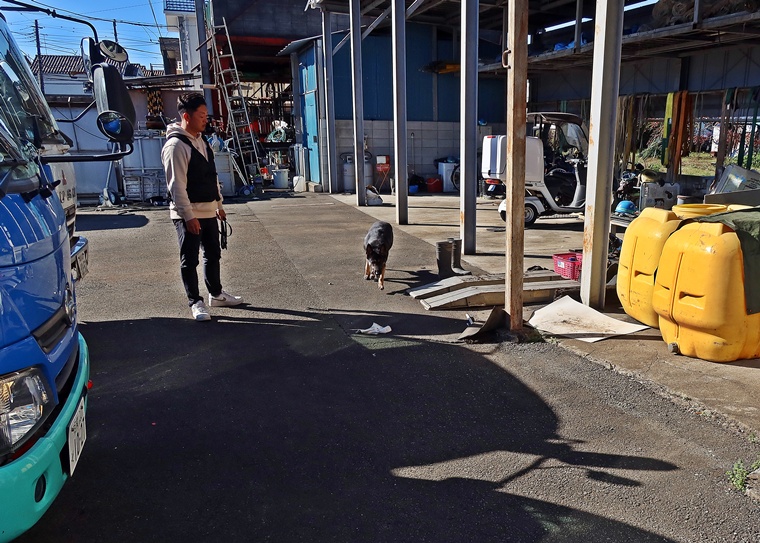
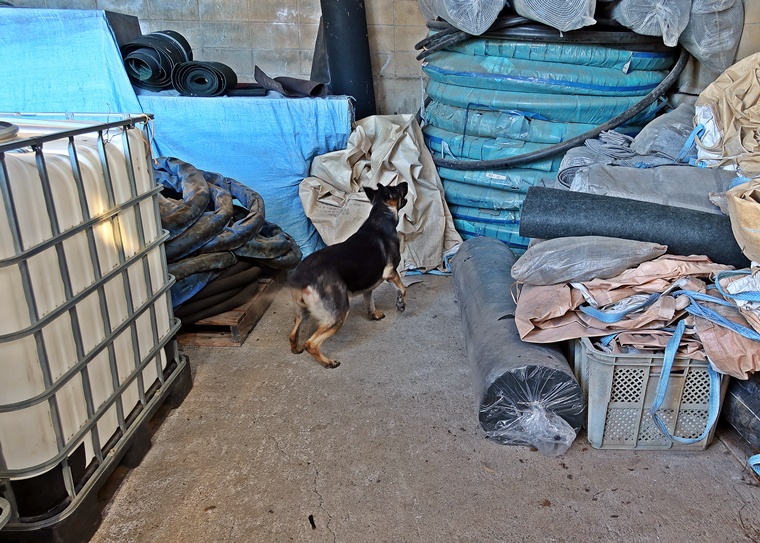
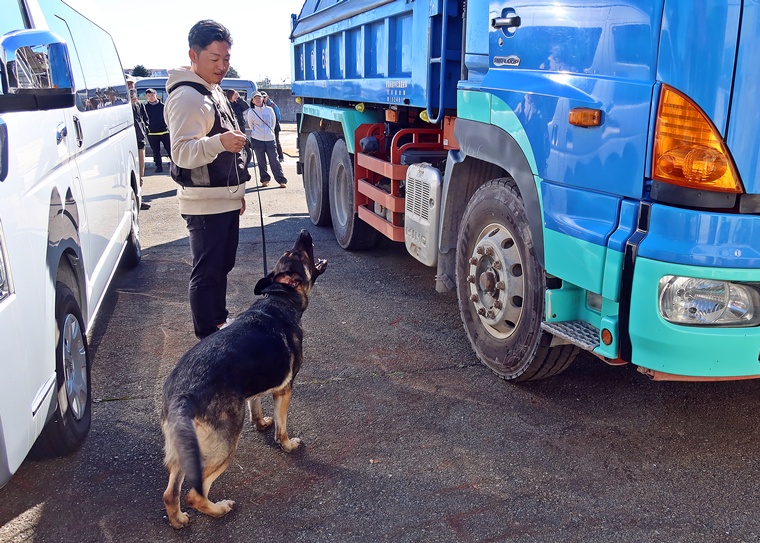
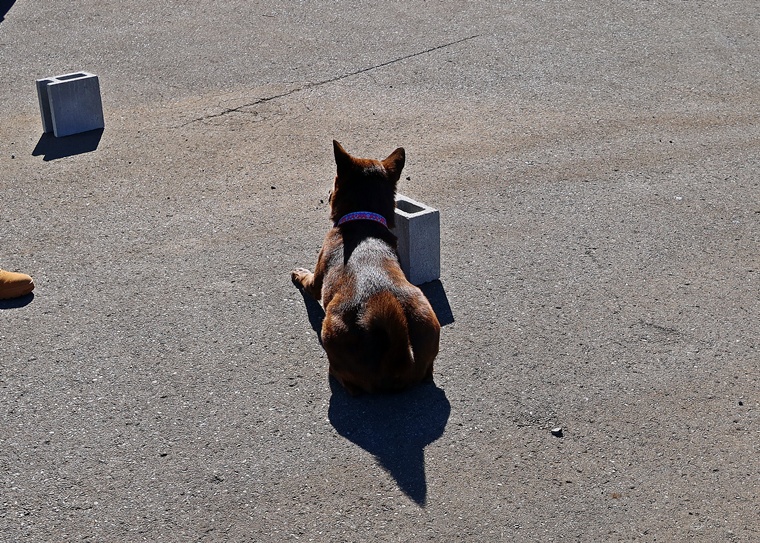
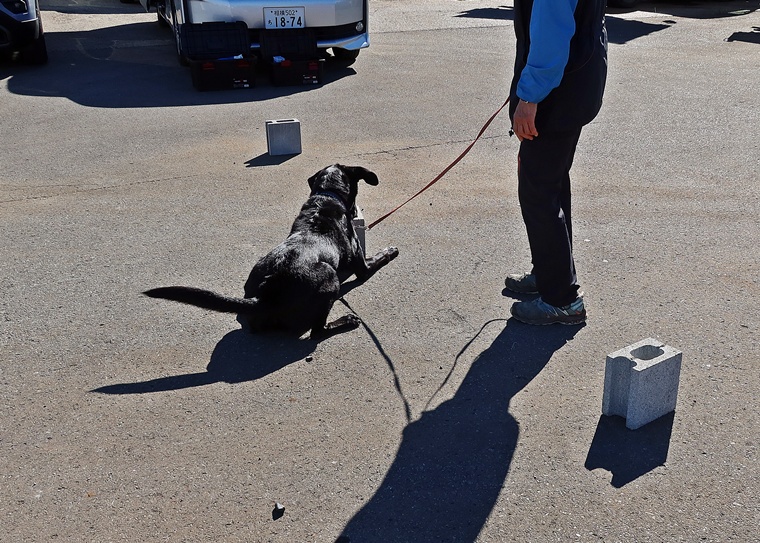
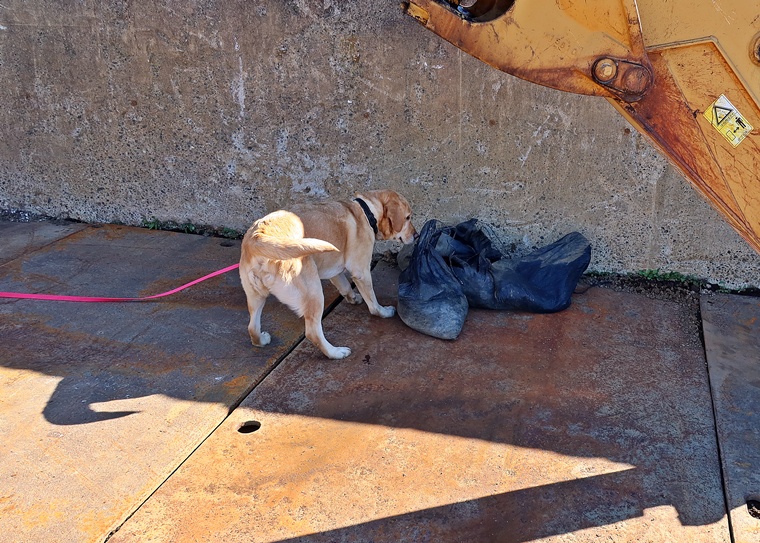
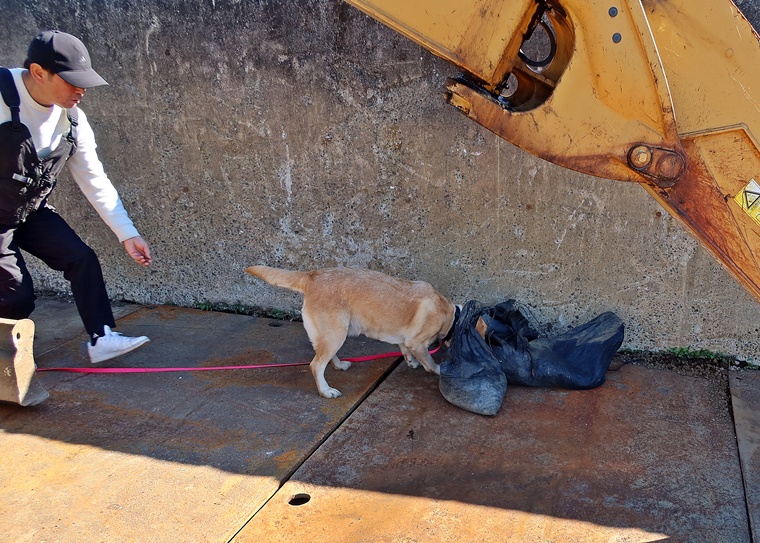
HRDでは、ビギナーのUnitを対象にブロックサーチを行い、アドバンスクラスのUnitもTFR(最終告知動作)のトレーニングに取り組みました。また、限定したエリア内の3カ所にソース(捜索対象の臭気源)を設定し、捜索を実施しました。捜索では、環境条件によってソースから広がる臭気(セントコーン)が変化する中で、犬の反応がどのように変わるかを確認。臭気を捉えてからソースに近づくまでの動きと、ソースを特定した際のTFRの実行性についても検証しました。ハンドラーには、こうした犬の反応を環境条件と照らし合わせて観察し、状況に応じて対応することが求められます。今回も、犬の動きとハンドラーの対応の両面から、各Unitの課題を確認する機会となりました。
For Human Remains Detection (HRD), beginner units conducted block search exercises, while advanced units also worked on their Trained Final Response (TFR). In addition, odor sources were placed at three locations within a defined search area for search exercises.
During these searches, we observed how the dogs’ responses varied as environmental conditions affected the scent cones extending from the sources. We also assessed how the dogs worked from their initial detection of target odor toward the source, and how reliably they performed their TFR upon locating it.
Handlers need to observe these responses in relation to the environmental conditions and adapt their handling accordingly. This session provided another opportunity to identify each unit’s training needs by examining both the dogs’ behavior and the handlers’ responses.
ブロックサーチとTFR
ビギナーUnitのブロックサーチでは、ハンドラーが報酬を与えるタイミングが、犬の告知姿勢への移行を左右します。原臭に意識を向け続ける時間を、どのように延ばしていくか。犬の反応を丁寧に観察し、原臭への執着を育てながら、確実な告知姿勢につなげていくことが重要です。アドバンスクラスに求められる、安定した素早いTFR(最終告知動作)も、この基礎訓練から生まれます。原臭を捉えてから告知姿勢へ移るまでの動きと、その姿勢の維持を確認しながら、報酬のタイミングを調整していきましょう。
In block search training for beginner units, the timing of the handler’s reward influences the dog’s transition into its trained indication posture. An important focus is gradually extending the time the dog remains engaged with the odor source. By carefully observing the dog’s responses and developing sustained engagement with the source, handlers can help establish a reliable indication posture.
The consistent, prompt Trained Final Response (TFR) expected of advanced units also develops from this foundational training. Handlers should adjust their reward timing while observing the dog’s transition from detecting target odor to adopting its indication posture, as well as its ability to maintain that posture.
限定エリアでの捜索
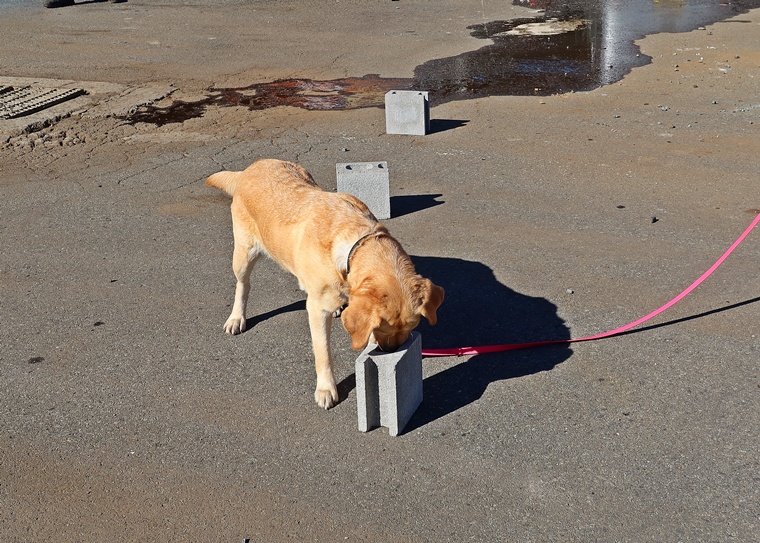
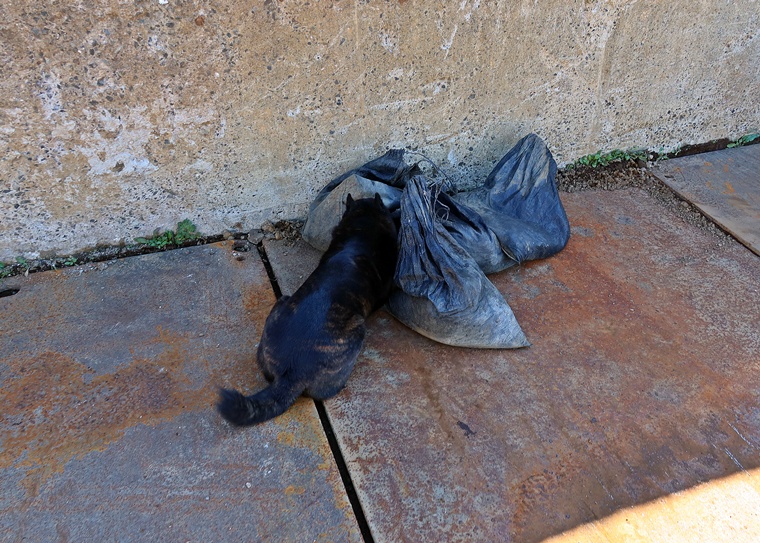
今回は、内容の異なるソース(捜索対象の臭気源)を3カ所に設定しました。ソースの内容や設置場所、風向きなどの条件により、臭気を捉えてからの動きや告知に至るまでの過程にはUnitごとの差が見られましたが、すべてのUnitがソースに到達できていました。それぞれの条件下で犬がどのように反応し、ソースを特定していくのかを確認できたことも、今回の収穫です。今後も実働を見据え、様々な環境での臭気の広がりや捜索条件を考慮した設定を取り入れながら、犬の捜索能力とハンドラーの観察力・判断力を高めていきたいと思います。
In this session, we placed odor sources of differing composition at three locations. Differences in source composition, placement, and wind direction resulted in variations between units in how the dogs worked the odor after initial detection and progressed toward a final indication. All units were able to reach the sources.
Another valuable outcome was the opportunity to observe how the dogs responded under these different conditions and worked to pinpoint each source.
With real-world search operations in mind, we will continue to incorporate training setups that account for odor distribution and search conditions in a variety of environments, developing both the dogs’ search capabilities and the handlers’ observation and decision-making skills.
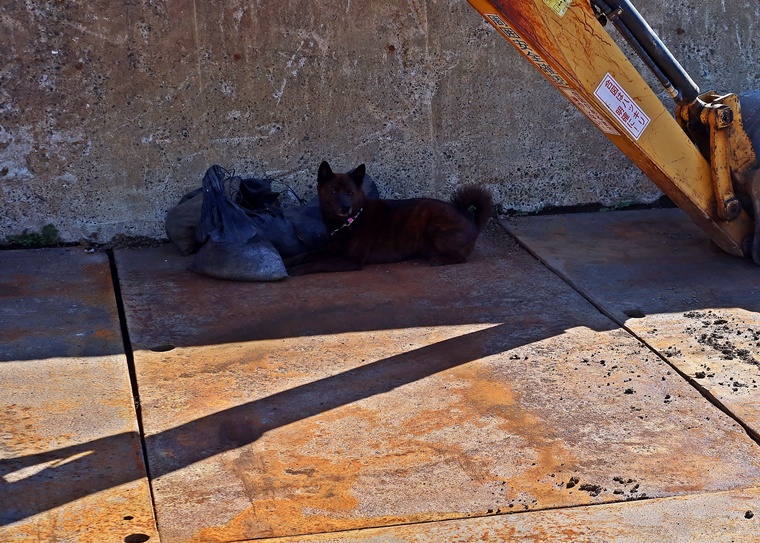
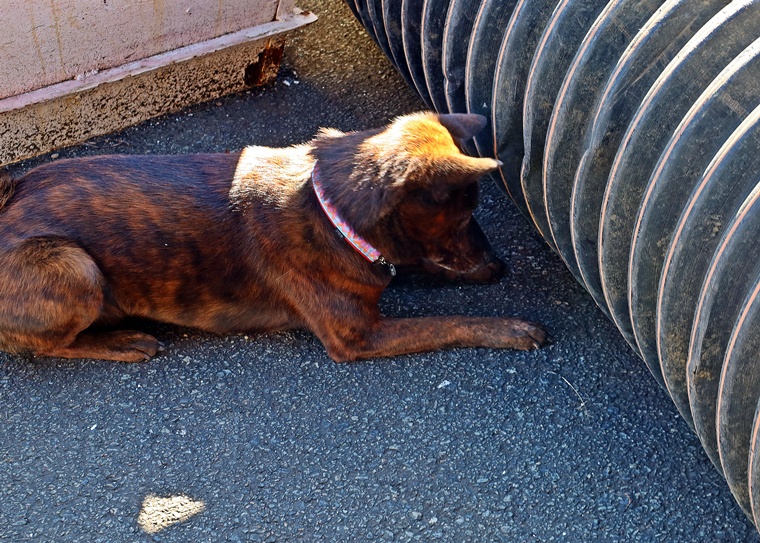
NSAでは今後も、各Unitの習熟度や課題に応じた段階的なトレーニングを継続し、実働現場で求められる犬の高い捜索能力、ハンドラーの的確な観察と判断、そして安全かつ確実に活動できるUnitとしての総合的な能力向上を目指して、継続的な訓練に取り組んでまいります。
NSA will continue to implement progressive training tailored to the proficiency level and individual training needs of each unit. Through continued training, we aim to further develop the capabilities required for real-world operational deployment: strong search performance from the dogs, accurate observation and sound decision-making from the handlers, and the overall ability of each unit to operate safely, reliably, and effectively in the field.
NSAの活動は、民間ボランティアによる行方不明者の捜索活動です。
多くの方々からご支援いただくことで、より速く、より多くの行方不明者捜索にサーチドッグを派遣することができます。皆様のご支援をお願いいたします。
NSA’s activities are carried out by civilian volunteers.
With the support of many individuals, we can deploy search dogs more quickly and to a greater number of missing person cases.
We sincerely ask for your continued support.

関連記事
-
 長野県栄村行方不明者捜索レポート_2026.11.11
-
NPO法人 北東北捜索犬チーム Trailing/HRD 適性試験 実施レポート_2026.11.03
-
NSA Trailing/Disaster/HRD 訓練会レポート_2026.10.25
-
REDOG プレMRTレポート_2026.10.10
-
NSA Trailing/Disaster/HRD 訓練会レポート_2026.10.11
-
NPO法人 北東北捜索犬チーム Trailig/HRD Workshop_2026.10.04
-
NSA Trailing/Disaster/HRD 訓練会レポート_2026.09.27
-
NSA Trailing/Disaster/HRD 訓練会レポート_2026.09.13